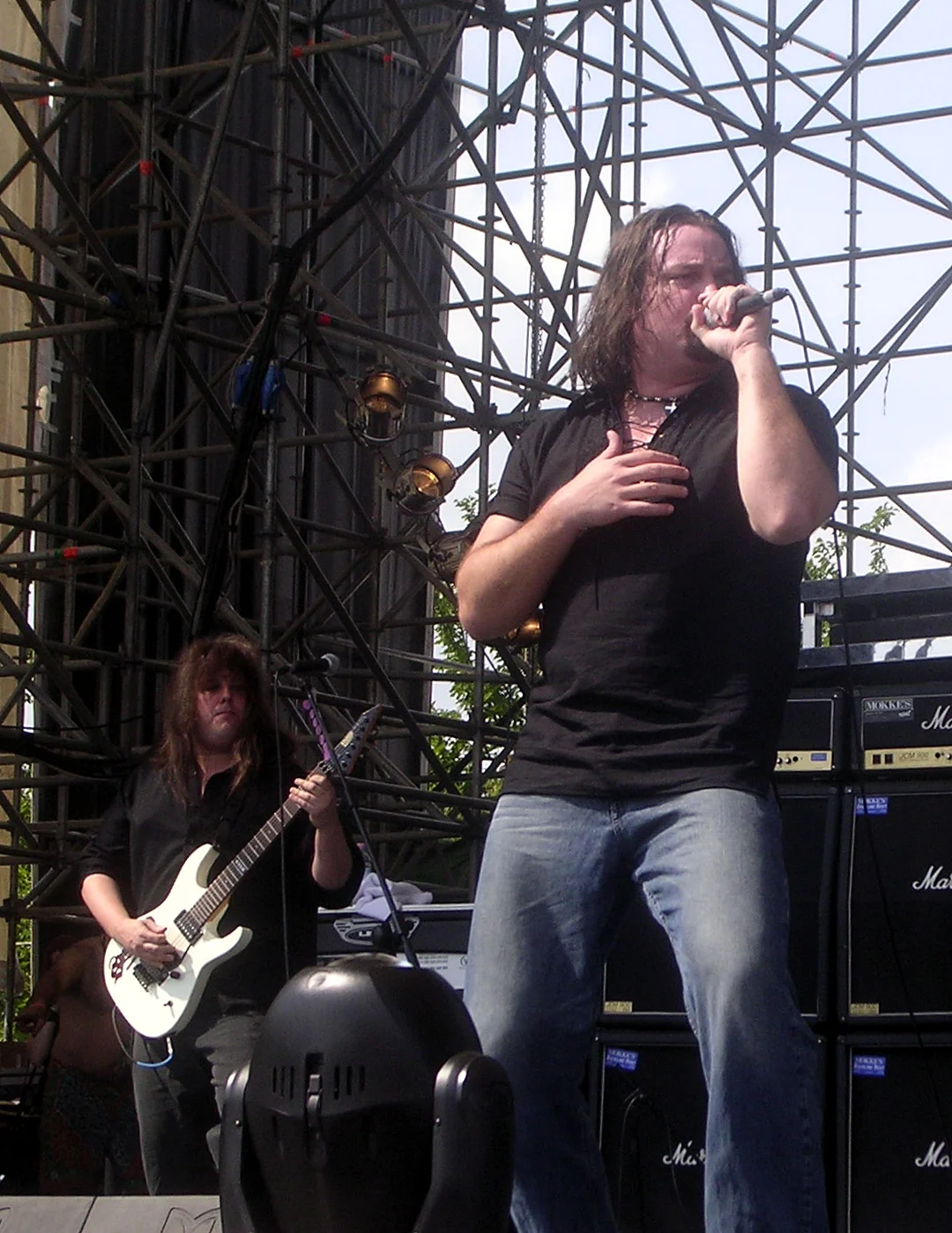
Metal Open Air
By the second night, fans who had flown to São Luís from across Brazil were sleeping in horse stalls. The Parque Independência, 25 kilometers southeast of the city center, had been hastily arranged around an equestrian facility, and when the camping area proved inadequate, the stables were opened. Metal Open Air - sold to Brazilian metal fans as a tropical answer to Germany's Wacken Open Air - had been running for just over twenty-four hours, and it was already unraveling.
The Lineup That Made the Pitch
The promise had been irresistible. Forty-seven bands across three days, 20-22 April 2012, in a country with a fierce metal subculture that rarely got to host international headliners outside São Paulo and Rio de Janeiro. The second night's headliner was to be the Rock and Roll All Stars - a genuine supergroup stitched together from KISS, Def Leppard, Guns N' Roses, Alice in Chains, Skid Row, and Deep Purple alumni, with Charlie Sheen as master of ceremonies. Gene Simmons. Joe Elliott. Duff McKagan. Matt Sorum. Sebastian Bach. Megadeth was on the bill. So were Anthrax, Blind Guardian, Symphony X, Venom, and a deep roster of Brazilian acts led by Sepultura and Krisiun. For a certain kind of music fan, the poster was a fantasy made real.
The Collapse
The cracks showed before the gates opened. Krisiun and Shadowside canceled early for logistical reasons. Volbeat pulled out. Venom's visas were misdirected - sent, somehow, to Africa instead of Brazil. Attendees arrived to find infrastructure that was not ready: insufficient food, water shortages, power failures on the stages, inadequate toilets, security staff that was thin or absent. Bands discovered that their agreed fees were not being paid. By Saturday, the second day, cancellations were cascading. Anthrax pulled out. So did Blind Guardian. Dave Mustaine took the stage with Megadeth anyway and apologized to the crowd for the conditions. Symphony X played. A handful of others did. Most did not. By Sunday, organizers canceled the final day entirely.
The Fans Left Holding It
Thirty of the 47 invited bands never performed. Many fans had spent hundreds or thousands of reais on flights, hotels, and three-day passes. Some had traveled from as far as São Paulo, Rio de Janeiro, and Fortaleza. A few came from abroad. PROCON, the Brazilian consumer protection agency, immediately urged attendees to document their losses and seek reimbursement. Globo's *Jornal Nacional* ran a Saturday-night segment showing the festival grounds in disarray - dirty water, piles of trash, fans wandering in the rain looking for stages that had gone silent. Musicians expressed their own frustration. Ricardo Confessori, the Brazilian drummer for Shaman, publicly called out Anthrax guitarist Scott Ian for canceling without what Confessori felt was a sufficient explanation. Ian replied bluntly on Twitter: "The whole terrible organization. We never want to cancel but they made it impossible."
Musicians Unpaid, Promoters in Court
The two companies responsible for Metal Open Air - Negri Concerts and Lamparina Filmes e Produções - began accusing each other of contract violations almost as soon as the festival ended. Lawsuits followed. Many international acts left Brazil without the fees they had been promised. Brazilian acts were stiffed as well. The incident became a cautionary tale in the live music industry, one that newer Brazilian festivals - Rock in Rio's returns, the various metal and rock festivals that followed - cited when reassuring fans that financial guarantees were in place. Metal Open Air was never revived. No second edition was attempted. The domain name and social media accounts went quiet and stayed quiet.
What São Luís Got Out of It
São Luís, the capital of Maranhão, is a UNESCO World Heritage city known for its colonial architecture and its reggae scene. It was an odd host for a heavy metal festival even before the debacle - no existing infrastructure, no history of international rock events at that scale, and a municipal government that had been promised tourism revenue that never materialized. The Parque Independência returned to being an equestrian facility. Brazilian metal publications still run retrospective pieces each April, interviewing fans who were there and bands who were not. The consensus in those retrospectives is usually the same: the lineup remains, on paper, one of the best Brazilian metal shows ever planned. The execution remains one of the worst. Somewhere between those two facts is a lesson that Brazilian concert promoters say they have learned.
From the Air
Coordinates 2.98°S, 44.36°W. Recommended viewing altitude 3,000-5,000 feet to identify the Parque Independência site southeast of downtown São Luís. Landmarks: the festival site lies along the BR-135 highway corridor between São Luís and the interior; the Baía de São Marcos is visible to the north. Nearest airport is Marechal Cunha Machado International (SBSL), approximately 20 km to the northwest. Afternoon haze common during rainy season (January-May).
Nearby Stories
- Porto do Itaqui 14 km away
- Ilha de Santana Lighthouse 54 km away
- Santa Inês 70 km away
- Chapada Limpa Extractive Reserve 99 km away
- Lençóis Maranhenses 101 km away
- Parnaíba Thermal Power Complex 185 km away
- São Miguel do Guamá 298 km away
- Maranhão 371 km away