
The Island Diana Chose
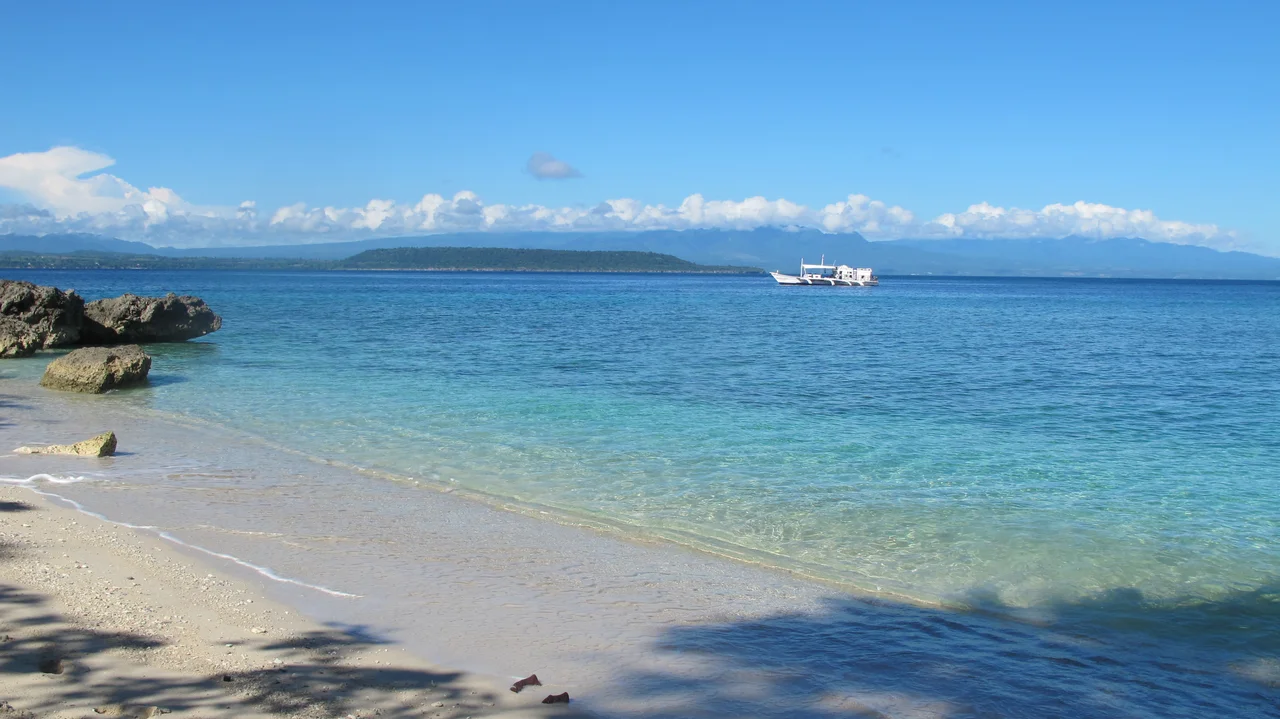
In 1993, when Diana, Princess of Wales, needed to disappear, she chose an island that most of the world had never heard of. Moyo sits off the northern coast of Sumbawa in Indonesia's Lesser Sunda chain, a 349-square-kilometer wedge of savannah and forest rising 648 meters above a sea so clear that the coral below looks close enough to touch. The island had no airport, no paved coastal road, no particular fame. That was the point. Diana stayed at Amanwana, a resort of twenty luxury tents pitched in the coastal forest, where the nightly rate approached $2,000 and the nearest significant town -- Sumbawa Besar, on the mainland -- required a boat ride across open water. Three decades later, Moyo remains what it was then: a place that rewards the effort of getting there by offering something increasingly rare in Southeast Asia. Quiet.
Where the Savannah Meets the Reef
Moyo's interior defies the lush tropical stereotype. Much of the island's center is savannah -- dry grassland broken by strands of forest, more reminiscent of eastern Indonesia's dryer climate zones than the dense jungles of Borneo or Sumatra. The terrain rises to 648 meters at its highest point, and the transition from coast to summit compresses several ecosystems into a short distance. Along the shore, coral reefs ring the island in water warm enough to snorkel year-round. Inland, the forest thickens around waterfalls that cascade over mossy rock into pools surrounded by clouds of butterflies. The largest waterfall requires a two-hour hike from Labuhan Aji village; others lie within fifteen minutes' walk. Mata Jitu, the waterfall Diana visited, sits about four kilometers from Labuhan Aji, its turquoise pools stacked in tiers against dark volcanic rock.
Megapodes, Macaques, and Flying Foxes
In 1986, Indonesia declared Moyo a conservation area, establishing the Moyo Island Hunting Park across 22,250 hectares of the interior and a 6,000-hectare Marine Nature Tourism Park along the coast. The island shelters a remarkable density of wildlife for its size. Long-tailed macaques forage in the canopy. Timor deer and barking deer move through the grasslands. Wild pigs and wild cattle roam the forest edges. Twenty-one bat species have been documented, including flying foxes whose wingspans can exceed a meter. Birdwatchers have catalogued 86 species, two of them endangered: the yellow-headed parrot and the Tanimbar megapode, a ground-nesting bird endemic to Indonesia that incubates its eggs not with body heat but by burying them in mounds of decomposing vegetation, letting the chemical heat of decay do the work. In 2018, the Indonesian government proposed combining Moyo with nearby Satonda Island to create Moyo Satonda National Park, and the entire coastline has since been designated a marine conservation area, protecting the reefs from fishing and pollution.
Cashews, Boats, and 4,200 Neighbors
Moyo is home to roughly 4,200 people living in two administrative villages -- Labuhan Aji in the south and Sebotok in the north -- distributed across six smaller settlements. Life here follows rhythms that predate tourism by centuries. Most residents fish and farm, and the two occupations overlap freely: a farmer plants cashew trees and sesame in the dry season, then takes a boat out when the catch is running. Cashew is the dominant crop, joined by coconut, mango, corn, upland rice, and lebui beans. A few residents run small businesses catering to the trickle of visitors. Traditional boatbuilding continues at Labuhan Aji, where craftsmen shape wooden hulls using methods that would be recognizable to their grandparents. Government employment is rare. The island's economy is largely self-contained, a closed loop of agriculture, fishing, and trade with Sumbawa Besar across the strait.
Still Undiscovered, for Now
Tourism marketers have labeled Moyo "undiscovered" for so long that the word itself has become a kind of brand. Yet the description remains stubbornly accurate. There is no ferry schedule, no regular air service, no chain hotel. Getting here means arranging a boat from Sumbawa Besar, a process that involves negotiation, weather, and a tolerance for uncertainty. Amanwana, the Aman Resorts property that made the island briefly famous when Diana checked in, remains the only accommodation that most international travelers would recognize, and its prices keep the visitor numbers low by design. Beyond the resort, a handful of simpler lodgings serve the adventurous few who come for the diving, the waterfalls, and the wildlife. The Indonesian government's conservation designations -- the hunting park, the marine reserve, the proposed national park -- suggest an official intent to keep development controlled. Whether that intent holds against the pressures of a growing Indonesian tourism industry is the question Moyo's next chapter will answer.
From the Air
Moyo Island lies at approximately 8.23S, 117.57E, off the north coast of Sumbawa in the Lesser Sunda Islands. The island is clearly visible from altitude as a distinct landmass separated from Sumbawa by a narrow channel. The highest point reaches 648 meters. To the west across the Flores Sea lies Lombok with Mount Rinjani (3,726 m); to the east, the volcanic cone of Mount Tambora (2,850 m) dominates Sumbawa's Sanggar Peninsula. The nearest airport is Sultan Muhammad Kaharuddin III Airport (WASP/SWQ) in Sumbawa Besar, approximately 30 km to the south across the strait. Lombok International Airport (WADL/LOP) is roughly 150 km to the west.
Nearby Stories
- Isuzu: The Cruiser That Refused to Sink 31 km away
- The Third Strike 52 km away
- The Island That Shook the World 57 km away
- Lombok 86 km away
- Forty-Five Men and Thirty-Six Depth Charges 101 km away
- Dragon Island: Where Monsters Are Real 147 km away
- Komodo National Park: Kingdom of the Dragon 168 km away
- The Ship That Lost Its Name 228 km away
Sources
- Moyo Island - Wikipedia
- Moyo Island - Wikipedia
- The Ecology of Nusa Tenggara and Maluku
- Mengenal Pulau Moyo Sumbawa, Pulau yang Pernah Jadi Tempat Liburan Putri Diana hingga Mick Jagger