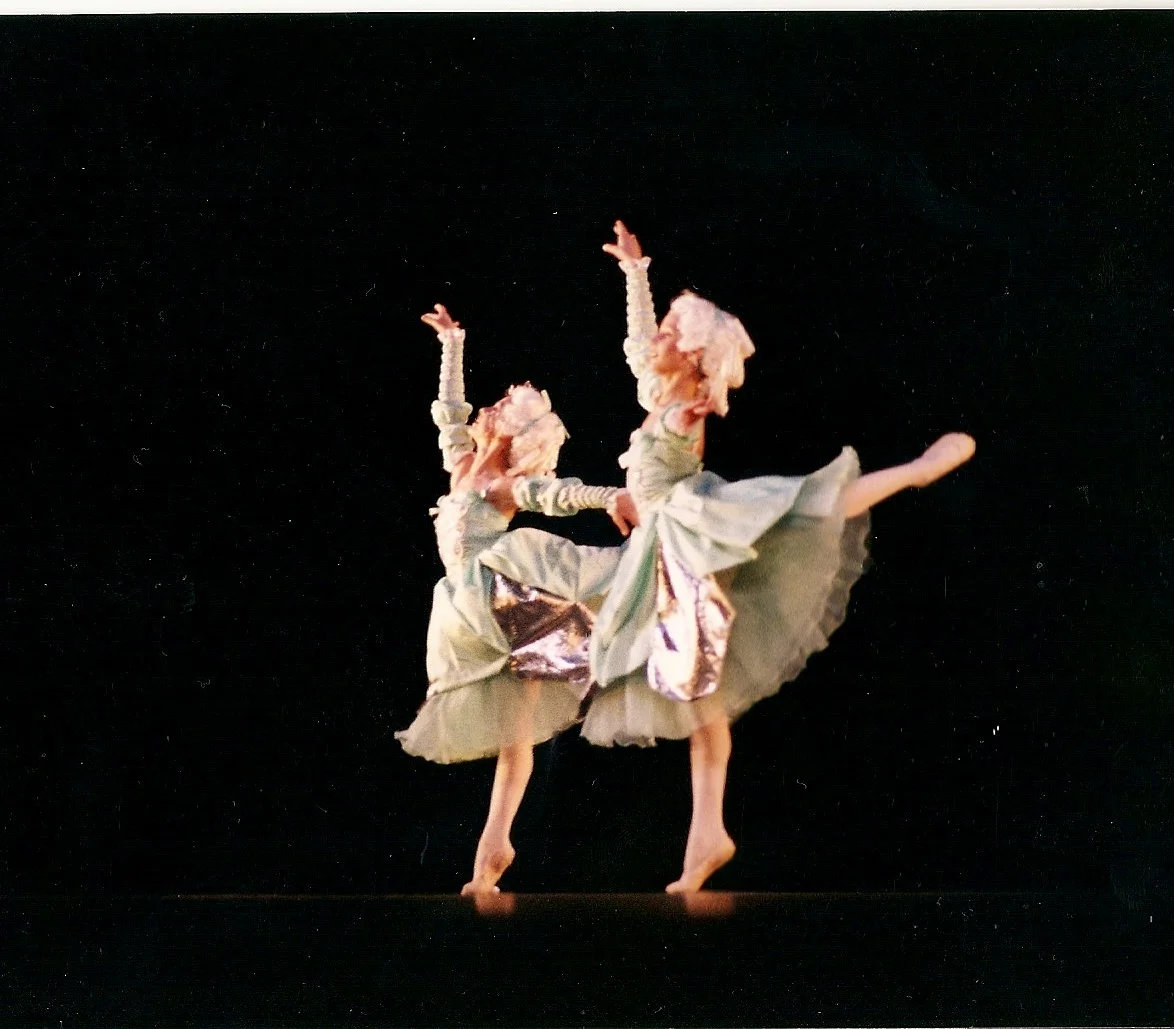

Municipal Theatre Ignacio A. Pane
Before it was a theater, this corner of Asunción heard the speeches of a young republic. In 1843, during the consulship of Carlos Antonio López and Mariano Roque Alonso, a building rose here, and the following year it opened as the meeting hall of Paraguay's First National Congress. Politics came first; the curtain came later. The story of the Municipal Theatre Ignacio A. Pane is the story of one stubborn site in the heart of the old city, reinvented again and again, each new building rising on the bones of the one before.
From Congress Hall to Stage
By 1855, Carlos Antonio López had become president, and he was convinced his young republic needed culture as much as it needed laws. He had a theater opened inside the old congress building, and it raised its curtain on November 4 of that year. For three decades the place served, until time and ambition caught up with it. In 1886 a Catalan businessman named Baudillo Alió secured the land, won permission to tear the old structure down, and set about building something grander: a National Theatre. It was completed in 1889. The inauguration that July featured a touring company performing Verdi, Schubert, and Flotow, the sound of European opera filling a Paraguayan house barely two decades out of a ruinous war.
The Primer Coliseo
Baudillo Alió was not finished. In 1894 he renovated again, adding boxes and courtyards planted with gardens, and the theater became the talk of the city. Asunción called it the Primer Coliseo, the first great hall, and the billboards drew curious locals and strangers alike. Opera, operetta, the Spanish musical comedy known as zarzuela, and straight theater all played its stage. Renowned foreign companies shared the boards with national talent. The building had become what López had hoped for: a cultural anchor in the capital. Municipal administration took it over near the end of the nineteenth century, and in 1939 ownership passed formally to the Municipality of Asunción. A decade later, in 1949, it took the name it still carries, honoring the Paraguayan poet and politician Ignacio A. Pane.
Closed, Crumbling, Reborn
Glory does not stop decay. By 1995 the theater had deteriorated so badly that sections of it had collapsed, and the doors were shut. What followed was unusual: not demolition, but rescue. In June 1997, after archaeologists had probed the site for its buried history, restoration began, supported by the Spanish Agency for International Development Cooperation and an Asunción trade school whose students learned their craft on the project itself. The architects who won the design competition were frank about the building. Its architectural value, they argued, was modest; better to treat the work as an intervention than a museum-piece restoration, weaving the surviving old fabric into a contemporary whole. They prized one thing above all: the building's privileged spot in the historic center.
The Horseshoe Today
Work ran from September 2004 to December 2005, producing a theater of about 4,643 square meters. The auditorium curves in the classic horseshoe shape, seating around seven hundred: roughly 490 at street level, and 210 more in seventy boxes stacked across three tiers, each box holding three. The stage spreads 225 square meters with a scenery tower climbing twenty-two meters, and the orchestra pit can hold ninety musicians. The roof keeps its original silhouette, though metal has replaced the old wooden frame beneath. Alongside the main house, smaller venues took shape: a café theater and an intimate drama room named for Baudillo Alió opened in 2001, and a rehearsal and teaching room followed in 2003. The restorers even folded fragments of the original congress building into a new multipurpose hall on the north courtyard, so that the room where a republic once debated its future now shares walls with the room where it sings. The architects had closed Alberdi street to traffic and laid a small plaza beside the entrance, stitching the theater back into the life of the neighborhood around it. One site, many lives, still in use.
From the Air
The theater stands in Asunción's historic center, approximately 25.281°S, 57.635°W, near the corner of Alberdi and President Franco streets. Central Asunción sits on the east bank of the Paraguay River at low elevation, roughly 60 m (200 ft) above sea level. From 2,000–3,500 ft AGL on a clear day, the riverfront and the grid of the colonial old town are the key references; the nearby Palacio de los López and the cathedral help fix the historic core. The closest airport is Silvio Pettirossi International (IATA: ASU, ICAO: SGAS) in Luque, about 10–12 km east-northeast. The smaller general-aviation field at Ñu Guazú lies on the same complex. Visibility is typically good outside humid summer afternoons.
Nearby Stories
- Yaguarón 21 km away
- Río Pilcomayo National Park 22 km away
- New Australia 45 km away
- La Colmena, Paraguay 46 km away
- Nueva Germania 120 km away
- Pilar, Paraguay 155 km away
- Concepción 174 km away
- First Battle of Nanawa 241 km away