
Attempted Assassination of Cristina Fernández de Kirchner
The trigger was pulled, and nothing happened. On the night of 1 September 2022, on a sidewalk in the elegant Recoleta district of Buenos Aires, a man pushed a loaded semi-automatic pistol to within inches of Vice President Cristina Fernandez de Kirchner's face and squeezed. The gun did not go off. In that fraction of a second - the difference between a jammed mechanism and a fired round - Argentina avoided its first assassination of a senior leader in decades. The country has been arguing about what happened on that corner ever since.
A Week of Vigil Outside Her Door
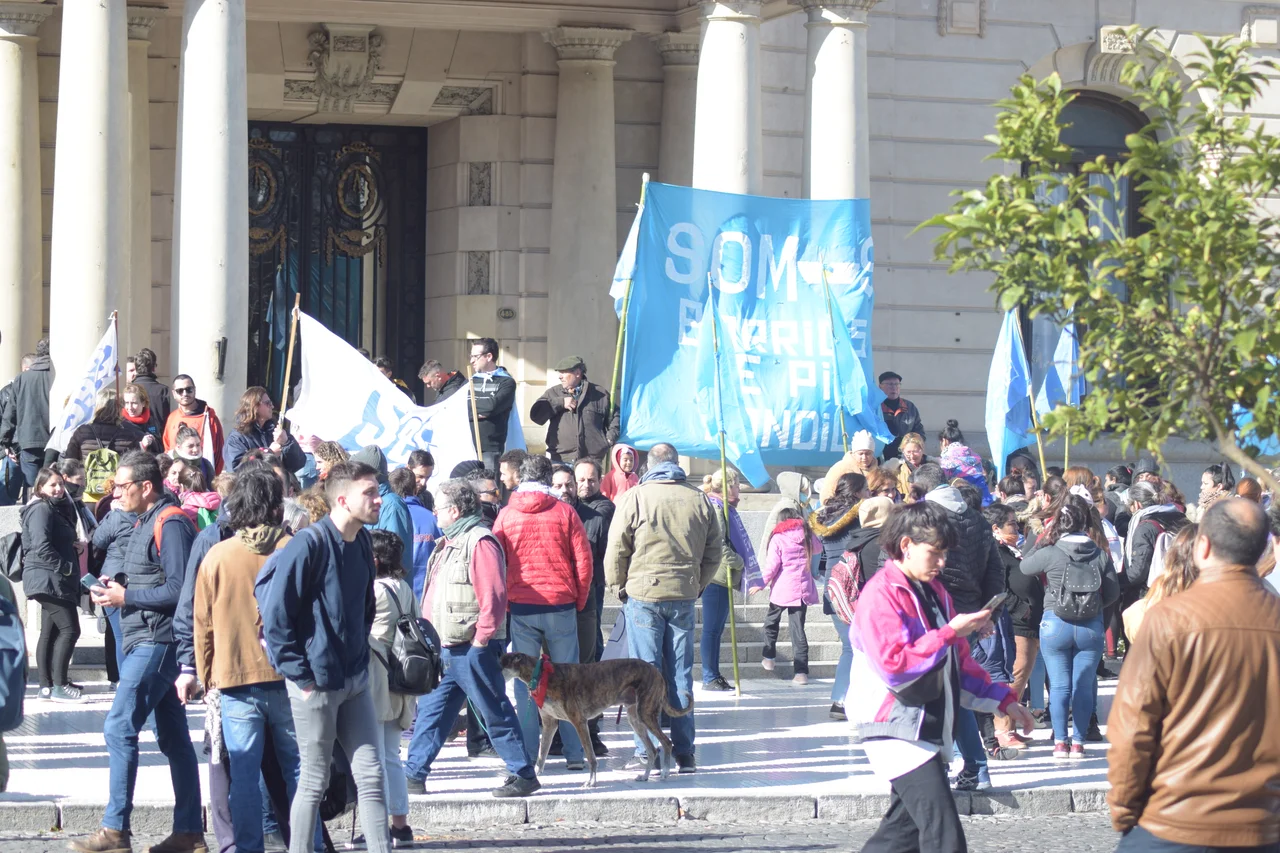
For nearly a week, the streets of Recoleta had not been quiet. In August 2022, federal prosecutors had asked the courts to sentence Fernandez de Kirchner to twelve years in prison and bar her from public office, accusing her of steering public works contracts during her presidency. Opponents gathered outside her apartment demanding her resignation; her supporters arrived to defend her, and the two crowds pressed against police barricades night after night. She addressed them from an improvised podium, calling the protests a product of what she described as 'hatred for Peronism' and urging everyone to go home. The atmosphere was so charged that on 30 August a judge moved her protection from the city police to federal hands. The barricades stayed up. The crowds kept coming.
Inches From Her Face
At 8:50 that evening she returned from presiding over a session of the Senate and stepped into the throng of well-wishers, pausing to sign copies of her memoir, Sinceramente. In the press of bodies and outstretched books, a man named Fernando Andre Sabag Montiel raised a pistol and pulled the trigger. The weapon, loaded but malfunctioning, did not discharge. Some accounts suggested she may have leaned down at that instant to pick something up. She was unharmed, and her security detail seized the man on the spot. The whole event lasted seconds. A nation watched it replayed in slow motion for weeks - the hand, the gun, the face, and the small mechanical mercy that kept it from becoming a killing.
The Man on the Corner
The arrested man was a thirty-five-year-old delivery and rideshare driver, born in Brazil and living in Argentina since childhood. His life, as it surfaced in the days afterward, was a portrait of grievance and drift: a previous arrest for carrying a knife, tattoos of fascist symbols, a street interview weeks earlier in which he railed against welfare programs. His girlfriend was later detained, and a search of his rented room turned up roughly a hundred bullets. Investigators found no evidence linking him to any organization. What drove a single angry man to a politician's doorstep with a loaded gun became, for many Argentines, a more unsettling question than any conspiracy - because it had no tidy answer.
A Country Divided Over What It Saw
The day after, the government called citizens to the Plaza de Mayo, and enormous crowds filled the historic square under banners reading 'Enough hate.' Foreign leaders and political opponents alike condemned the attack, and the Chamber of Deputies passed a unanimous resolution repudiating it. Yet in a polarized country, even an attempted murder became contested ground. Some questioned whether it had really happened as shown; others argued bitterly over what to call it and what laws should follow. The case moved slowly through the courts. The trial opened in June 2024, Fernandez de Kirchner testified that August, and on 8 October 2025 Sabag Montiel was convicted of the attempted homicide and sentenced to ten years in prison. The corner in Recoleta looks ordinary again. The argument it set off has not entirely ended.
From the Air
The event took place in the Recoleta district of central Buenos Aires, near 34.593S, 58.388W - a dense, upscale neighborhood of apartment blocks, embassies, and the famous Recoleta Cemetery a few blocks away. From the air this is solid city, best appreciated as part of the broader downtown grid rather than a single landmark. The nearest airport is Aeroparque Jorge Newbery (ICAO SABE) on the riverfront about 3 km to the northeast; the international gateway is Ezeiza/Ministro Pistarini (ICAO SAEZ), roughly 30 km to the southwest. Buenos Aires generally offers clear, stable visibility, but the Recoleta and downtown core sit directly beneath SABE's busy approach corridor, so any sightseeing should stay well clear of that traffic.
Nearby Stories
- Ezeiza Massacre 1.9 km away
- Luján, Buenos Aires 5.1 km away
- Curutchet House 13 km away
- Colonia del Sacramento 17 km away
- Martín García Island 28 km away
- Atucha Nuclear Power Plant 37 km away
- Lobos 43 km away
- Cry of Asencio 87 km away