
Deal barracks bombing
At 8:22 on the morning of Friday 22 September 1989, an IRA time bomb detonated inside the Royal Marines School of Music in Deal. The three-storey accommodation block next door collapsed. Some of the marines had stayed behind in the building that morning and took the full force of the blast. The pall of smoke could be seen across the town. By the time the rubble was cleared, eleven young men were dead - musicians who had spent their lives learning instruments, not weapons. Most of those injured were teenagers. Kent Ambulance Service voluntarily suspended its industrial strike action that day to help the wounded.
The Eleven
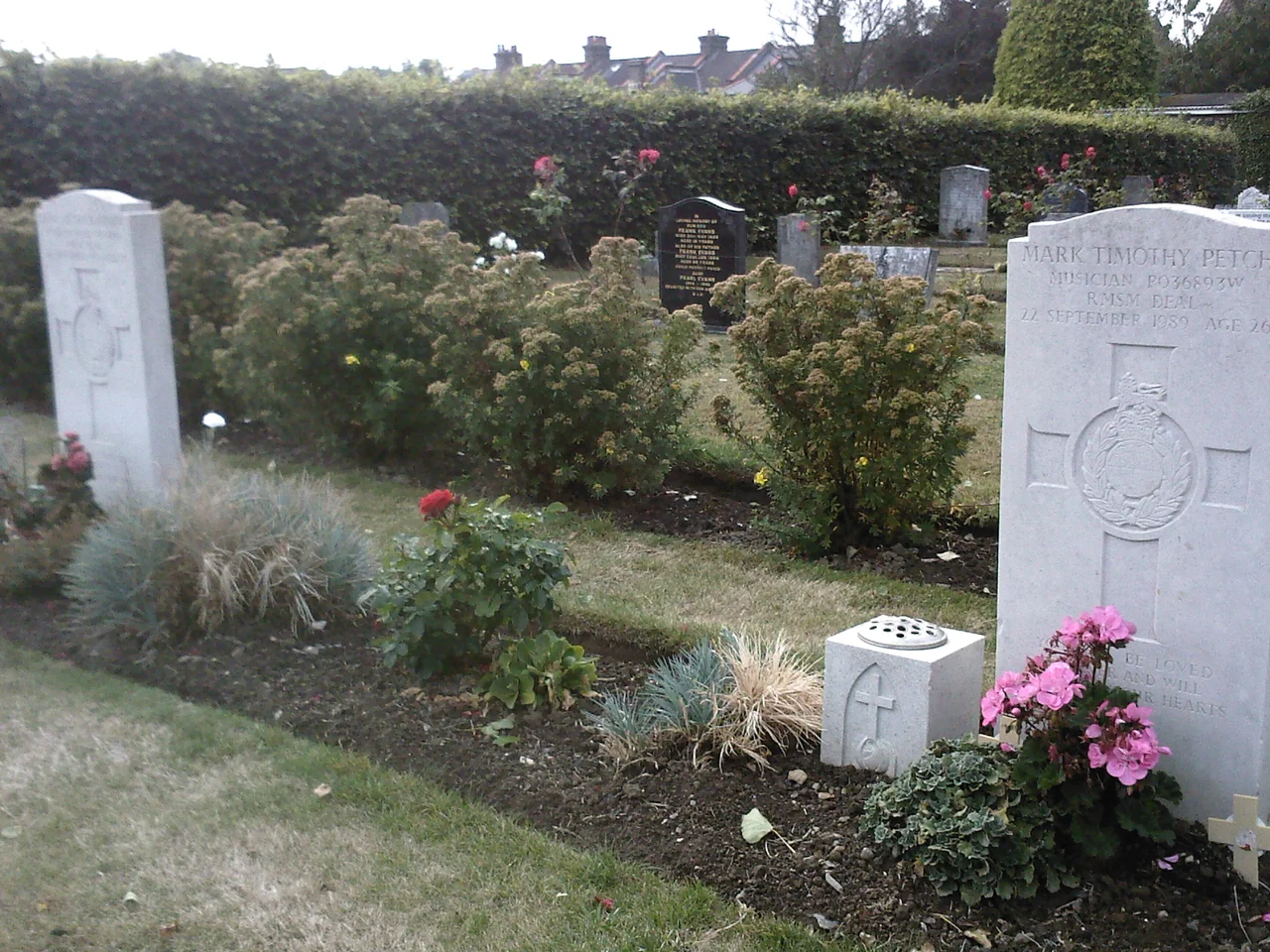
They had names and lives outside their uniforms. Mick Ball, 24. Andy Cleatheroe, 25. Trevor Davis, 39 - the oldest of them. Richard Fice, 22. Richard Jones, 27, known to his mates as Taff. David McMillan, 26, known as Mac. Dean Pavey, 31. Mark Petch, 26. Tim Reeves, 24. Bob Simmonds, 34. Ten of them died at the scene; one body was found later on the roof of a nearby house, blown there by the force of the explosion. The eleventh, Christopher Nolan, was 21 years old when the bomb went off. He survived the initial blast but died of his injuries on 18 October 1989, almost a month later. Some had been new recruits to the School. Some were established musicians with families. All of them had chosen the Royal Marines Band Service to make a career out of brass and woodwind and percussion.
The School of Music
The Royal Marines School of Music was the professional training centre for the musicians of the Royal Marines Band Service, the musical arm of the Royal Navy. It had been founded at Portsmouth in 1930 and moved to Deal in 1950, joining the Royal Marines Depot that had been established on the Kent coast in 1861. Throughout the 1980s the Provisional IRA had been waging a paramilitary campaign against British targets, with the stated aim of separating Northern Ireland from the United Kingdom. Military bases had been struck before. But the School of Music was somehow assumed to be a softer target - a place where young men learned instruments, where the most lethal piece of equipment was a side drum. It turned out that the base's security had been partly contracted out to a private firm. After the bombing, that arrangement was overhauled. Royal Marine guards replaced the contractors. Security procedures across British military bases were reviewed.
The Aftermath
Margaret Thatcher was in Moscow on an official visit when the news reached her. She issued a statement saying she was shocked and extremely sad. Neil Kinnock, the leader of the opposition, called it an awful atrocity and said even people who supported what the IRA called its cause must be sickened by the way death and injury were mercilessly inflicted. Many of the injured were trapped under the rubble for hours; military heavy lifting equipment had to be brought in to clear the collapsed block. No one has ever been arrested or convicted in connection with the bombing. The case remains officially unsolved. The Royal Marines Depot at Deal was decommissioned in 1996. The surviving barracks were converted into flats. The School of Music returned to Portsmouth.
The Bandstand on Walmer Green
A memorial bandstand was built on Walmer Green a short walk from the original barracks, dedicated to the eleven men who - as the memorial inscription puts it - only ever wanted to play music. A memorial chapel stood inside the Deal Barracks complex itself, but the chapel building burned down in 2003. The site is now a memorial garden. Where the parade square once stood, Deal Parochial Church of England School now teaches local children. A large carved stone bearing the Globe and Laurel - the cap badge and emblem of the Royal Marines - sits at the entrance of that school. It originally adorned one of the buildings facing the old parade ground. On 22 September 2015, the 26th anniversary of the bombing, the school's Year 6 pupils restored the stone and held a re-dedication service to mark the role the Royal Marines had played in their town.
Thirty Years On
On the 30th anniversary in 2019, more than 12,000 people came to Walmer Green for the commemoration. By then the eleven young bandsmen had been dead for longer than most of them had been alive when they were killed. Their names were read aloud. The band played. Older Royal Marines who had been there that morning in 1989, who had pulled survivors out of the rubble, came back to stand and remember. The Deal bombing left a wound on the Royal Marines and on the town - a wound that thirty years did not close. Music has a way of holding things that words cannot. The eleven men of the Royal Marines School of Music, the ones the IRA killed on a September morning in 1989, knew that. So do the bands that still play in their memory each year on Walmer Green, beneath the bandstand built so the town would not forget.
From the Air
The site of the former Royal Marine Depot is at 51.2136 degrees N, 1.4000 degrees E, on the south side of Deal in east Kent. The memorial bandstand stands on Walmer Green nearby. Nearest airfield: Manston (decommissioned) about 10 nautical miles north. From the air the site is now mostly residential housing and the Deal Parochial School. The Channel coast is immediately east. Best viewed at low altitude approaching the Kent coast from the south.
Nearby Stories
- Ringlestone Inn 3.4 km away
- Cliffs Pavilion 3.5 km away
- Citadel of Calais 6.5 km away
- 2021 English Channel Disaster 11 km away
- Stag Inn, Hastings 15 km away
- Dungeness Lighthouse 19 km away
- Clacton Pier 32 km away
- Four Days' Battle 54 km away