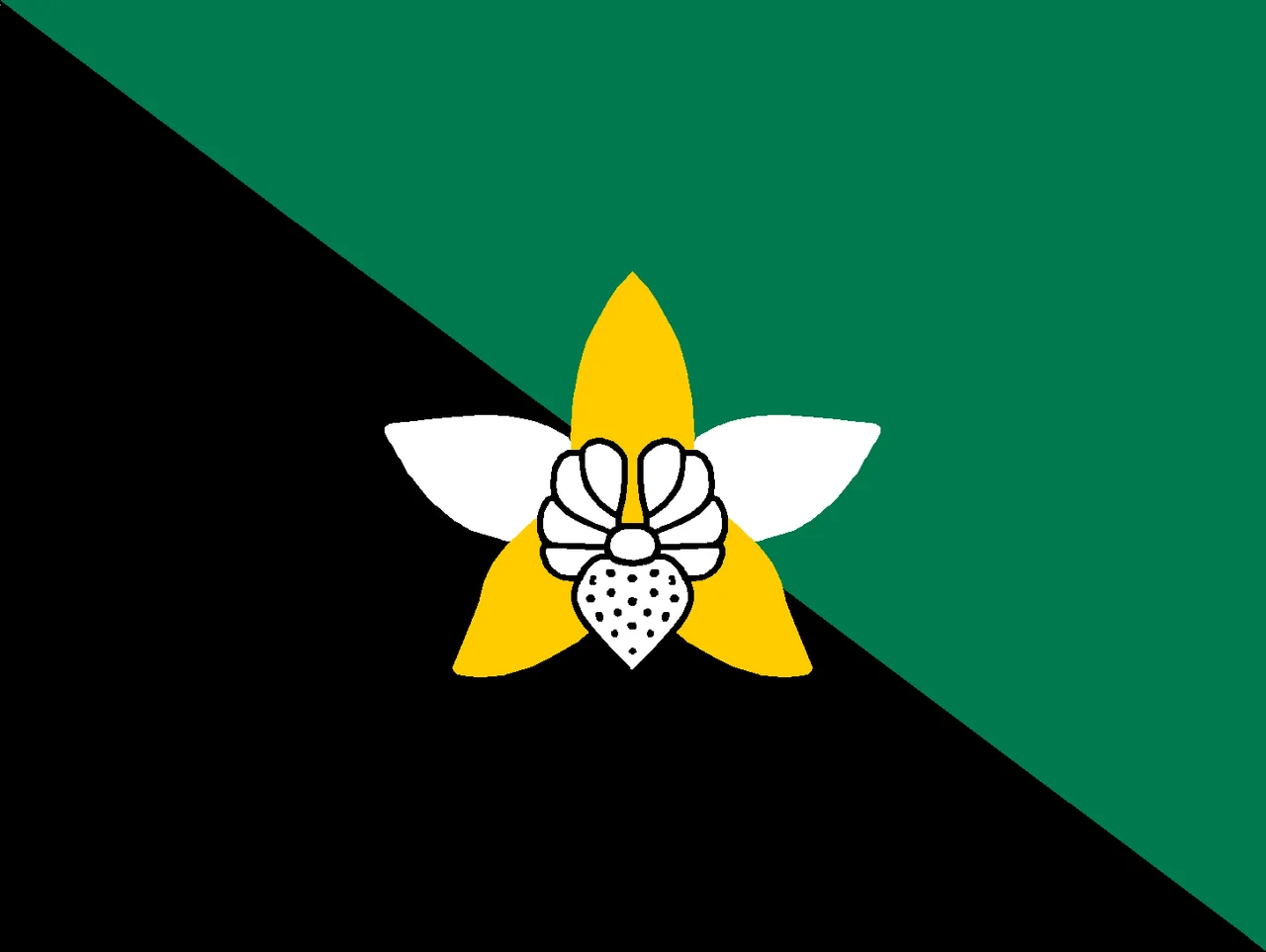

Enga Province
Almost every province in Papua New Guinea is a mosaic of languages. Enga is not. Across all six of its districts, around half a million people speak Enga - a single language binding a single ethnic group to a highland landscape of green ridges and deep valleys. That unity is unusual in a country where the next valley often means the next tongue. So is the landscape: Enga sits above 2,000 metres on ground so steep and so saturated that in May 2024 one of its mountainsides simply let go, burying six villages and an estimated 670 people. The province was only created in 1975, when Papua New Guinea became independent. Its roots go back a great deal further.
Gold Men Come Over the Ridge
Europeans - mostly Australian gold prospectors - began entering what is now Enga from the east in the late 1920s. The best-known of those early forays came in the early 1930s, when Mick Leahy and a small party travelled west from the future site of Mount Hagen, reached what would later become Wabag, and then pushed south through the Ambum Valley toward the upper Sepik. They were looking for gold. They found a densely populated, carefully managed highland agricultural society that the outside world had barely known existed. The Engans had been farming sweet potatoes and raising pigs on these ridges for centuries. They met the newcomers, watched them leave, and went back to their work.
Pigs, Yams of the Highlands, and the Tee
Enga is divided internally into three subgroups - the Mae, the Raiapu, and the Kyaka - but the patterns that shape life here run across all of them. Engans traditionally live in scattered homesteads spread through the landscape rather than clustered villages, a settlement style shared with highland peoples west of the Daulo Pass. Sweet potato has been the staple for as long as anyone remembers; among the Raiapu it still forms about two-thirds of the diet. Rice and tinned meat have begun pushing in from the stores. But pigs remain something more than food. The tee, an elaborate ceremonial exchange of pigs and wealth, moves through the province in long chains, binding clans to clans across thousands of relationships. To give and to receive are not casual acts here.
Sky People and Ground Ghosts
The Raiapu Enga believe in a dense population of supernatural beings, though the anthropologist Richard Feachem observed that they 'derive no joy or comfort from their religious beliefs' - most of the spirits are either remote or actively hostile. The yalyakali, the 'sky people,' are fair-skinned deities living an idyllic mirror-life in the clouds, their clan structures matching the Raiapu's below. They are unreachable. Nearer to hand are the yuumi nenge, the 'destructive ground force' - ghosts that cause deaths from exposure in the forests. A timongo is the spirit that leaves the body at death, lingering in the forests with bitter grievances against its own surviving family. Pututuli are carnivorous demons, tall, two-fingered, shape-shifting, sometimes said to swap their own babies for human ones. Against all this stand the topoli, human sorcerers who know how to heal broken bones and catch lost ghosts.
A Changing War
Tribal conflict in Enga has always existed, but it was once shaped by traditional weaponry, rules of engagement, and peace treaties that kept casualties manageable. In the twenty-first century those constraints have weakened. Firearms - many of them stolen from government armouries during the 1990s, when an audit found only a fifth of the 5,000 Australian L1A1 rifles and half of the 2,000 M16s delivered to the Papua New Guinea Defence Force still accounted for - have changed the arithmetic. After the 2022 election, fighting surged. Thousands fled their homes for the provincial capital of Wabag. In February 2024, 69 people were killed in a massacre at Akom, thirty minutes from the capital - the country's worst single loss of life since the Bougainville conflict of the 1980s and 1990s. Prime Minister James Marape called it an act of domestic terrorism.
The Mountain That Let Go
Three months after the Akom massacre, on 24 May 2024, a landslide in Maip Mulitaka Rural LLG struck six villages in the middle of the night. Estimates put the death toll at over 670. The debris blocked streams, saturated the ground further, and continued to shift for weeks. Relief convoys driving out from Wabag had to pass through Tambitanis, where intertribal violence had killed eight people and burned 35 homes and businesses earlier in the year. For the families affected, the twinned disasters of violence and landslide were not separable - many who lost relatives in the slide had already been displaced by the February clashes. Enga in 2024 was a province with a single language, half a million people, and a double inheritance of grief. The ridges are as beautiful as ever, and as fragile.
From the Air
Enga Province sits in the central highlands around 5.5 degrees south, 143.5 degrees east, with its capital at Wabag at roughly 2,200 metres elevation. Wapenamanda airport (AYWD / WBM) serves the province; Mount Hagen (AYMH / HGU) is the larger regional hub to the east. The Highlands Highway is the main road in, climbing over the 2,478-metre Daulo Pass. From altitude the province appears as a pattern of steep green ridges cut by deep valleys, with the pale scars of recent and historical landslides visible on slopes. The 2024 Enga landslide scar near Kaokalam in Maip Mulitaka is visible as a raw gash roughly 5.37 degrees south, 143.39 degrees east. Expect rapidly changing mountain weather and heavy afternoon convective buildups year-round.
Nearby Stories
- Mount Hagen 11 km away
- Kuk Swamp 34 km away
- Mendi 39 km away
- 2018 Papua New Guinea Earthquake 53 km away
- Territory of New Guinea 100 km away
- Great Papuan Plateau 131 km away
- 2024 East Sepik Earthquake 136 km away
- Ok Tedi Mine 211 km away