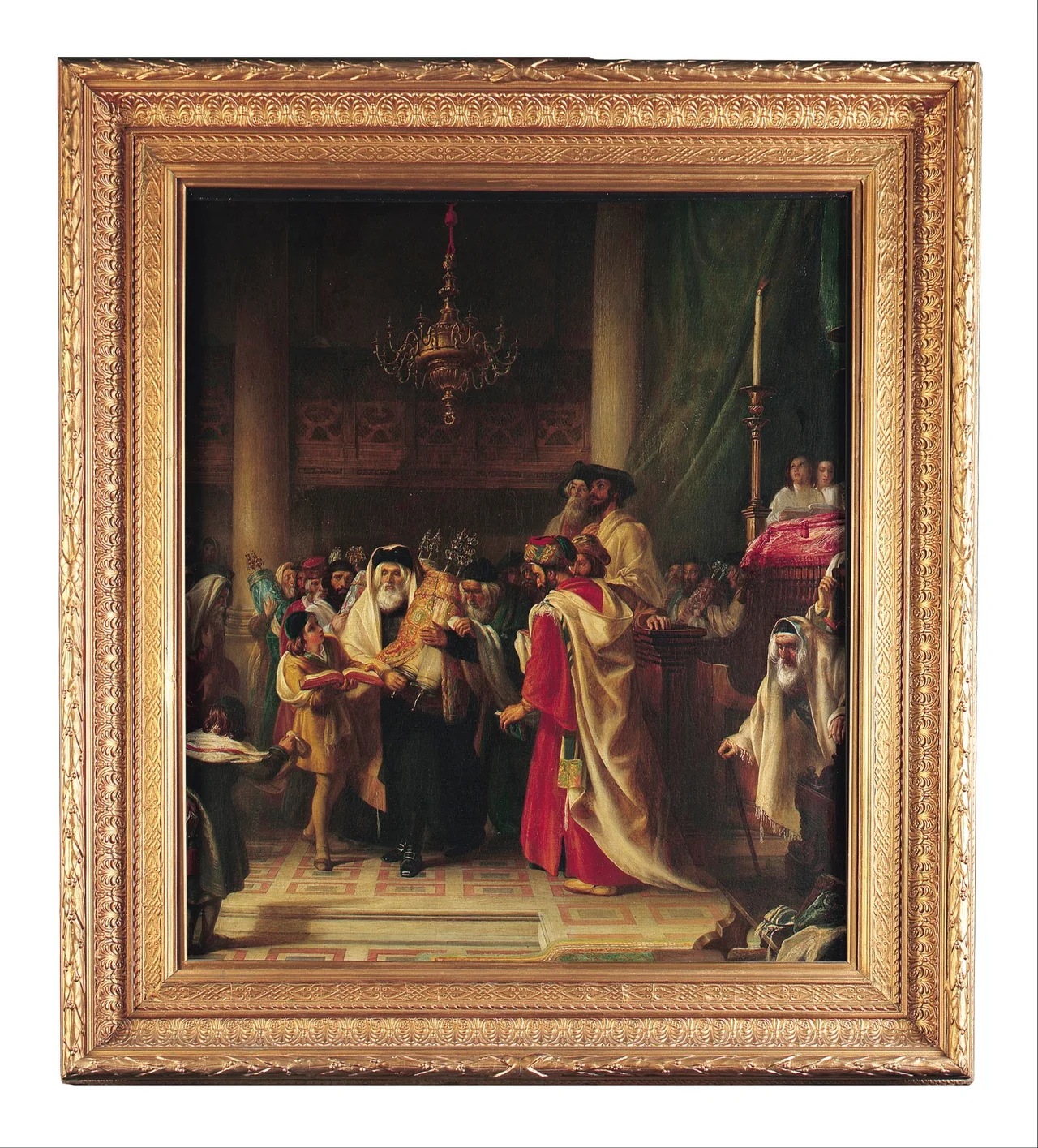

Jewish Museum London
The Jewish Museum London opened in 1932, in the Jewish communal headquarters in Bloomsbury. It moved to Camden Town in 1995, underwent a £10 million renovation funded by the Heritage Lottery Fund in 2010, and drew around 120,000 visitors a year before the Covid-19 pandemic arrived in 2020. When the museum reopened for just two days a week in July 2021, visitor numbers did not recover. By 2023, the Camden building had closed. The museum was now, as its leadership described it, a 'Museum without Walls' — lending collections to other institutions, leading learning programmes in the community, and looking for a new permanent home. It was a quiet and humbling end to a chapter, and a reminder that institutions do not outlast their circumstances automatically.
A Collection of Rare Significance
At the heart of the museum's collection was an internationally significant body of Jewish ceremonial art. The most notable single object was the Lindo lamp — an early and rare example of a British Hanukkah menorah. The collection as a whole had been awarded 'designated' status by the Museums, Libraries and Archives Council, reserved for objects of outstanding national importance. The building at Albert Street in Camden was itself Grade II listed by Historic England. Beyond the ceremonial art, the museum held exhibitions recounting the history of Jewish life in England across centuries, supported by paintings, prints and drawings, and a photographic archive stretching from the 1900s through the 1940s. The Jewish Military Museum merged into the collection in January 2015, adding militaria to the range of holdings.
Exhibitions That Challenged Comfort
The museum's temporary exhibition programme ranged widely, often deliberately unsettling. 'Jews, Money, Myth' explored antisemitic imagery linking Jewish people with money — tracing the association from Judas and the thirty pieces of silver through medieval Europe to contemporary Polish 'Lucky Jew' figurines sold as good-luck charms, without shying from the ugliness of what it was examining. 'For King and Country? The Jewish Experience of the First World War' interrogated the experience of Jewish soldiers fighting for Britain. 'Through a Queer Lens: Portraits of LGBTQ Jews' brought together communities often invisible within both Jewish and LGBTQ narratives. 'Amy Winehouse: A Family Portrait,' drawn from the Winehouse family's personal collection, was among the museum's most popular exhibitions. The range reflected a consistent institutional purpose: to provoke questions and challenge prejudice, not simply to archive heritage.
Patrons, Pandemic, and Transition
Charles, Prince of Wales — later King Charles III — was a patron of the museum, a connection that spoke to its standing within British civic life. The pandemic, when it arrived, did not distinguish between institutions with royal patrons and those without. The Camden site closed in March 2020 and the partial reopening in July 2021 never gained traction. By June 2023, the museum had announced it would leave Albert Street entirely, operating without a fixed building while it planned and financed a move to a new location — a process expected to take up to five years. The Heritage Fund provided support for the 'Museum on the Move' project. The collections, meanwhile, continued to travel to partner institutions, carrying the story of British Jewish life beyond any single address.
Why It Mattered
Jewish life in Britain has a documented history stretching back nearly a millennium — interrupted by the expulsion of 1290, resumed under Cromwell in 1656, and woven into British cultural and civic life across the centuries since. The Jewish Museum London, from its founding in 1932, understood that this history needed a home that was accessible to everyone, not just to those who already knew it. Its exhibitions on antisemitism did not lecture; they documented and displayed, trusting visitors to draw conclusions. Its Holocaust testimony section gave space to survivors whose experiences were specific, individual, and irreplaceable. The museum's decision to engage seriously with uncomfortable topics — money, identity, prejudice, belonging — marked it as something more than a heritage institution. It was, at its best, an argument made in objects about what it meant to be part of a society that has not always welcomed you.
From the Air
The former Jewish Museum London site is located at 51.5369°N, 0.1444°W in Camden Town, north London. The building sits on Albert Street, a short walk from Camden Town tube station on the Northern line. From the air, Camden is identifiable by the Regent's Canal cutting through the area and the distinctive rooflines of Camden Market nearby. Nearest airport is London City (LCY), approximately 14km southeast. The museum currently operates without a fixed public location while planning its move.
Nearby Stories
- Stevenage 5.7 km away
- Malling Abbey 5.7 km away
- 1952 Farnborough Airshow Crash 7.7 km away
- Ingatestone Hall 8.2 km away
- Hellfire Caves 9.1 km away
- The Carrington Event: The Solar Storm That Could Happen Again 9.8 km away
- Bletchley Park 16 km away
- Castle Hedingham 23 km away