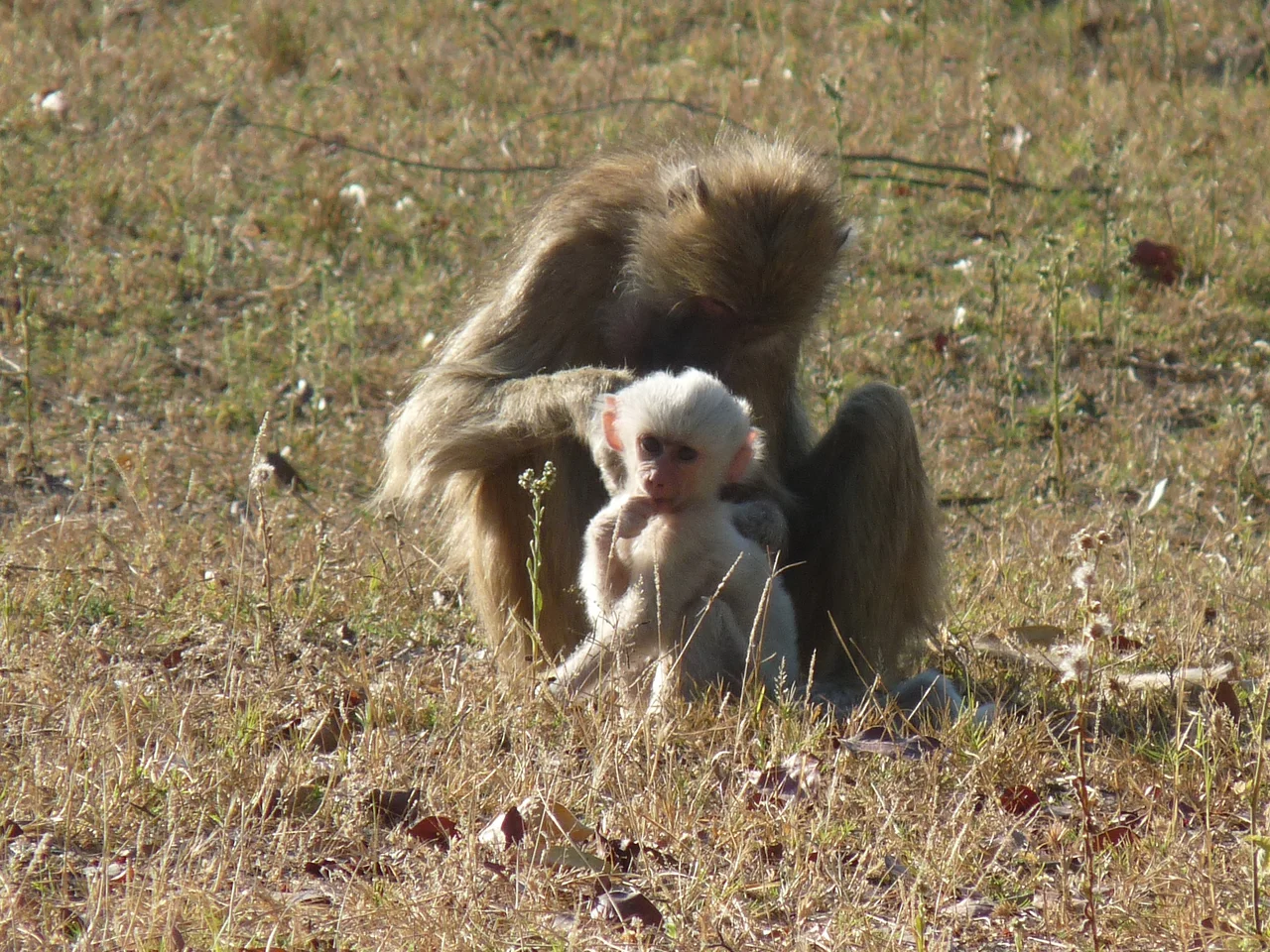

Kafue National Park
Zambia's oldest national park is also one of the largest on the planet. Kafue sprawls across 22,400 square kilometers of river, floodplain, woodland, and dry southern scrub, a protected area larger than many small countries. To cross it end to end is to change ecosystems twice. In the north, the Busanga Plains open into flooded grasslands where herds of buffalo move through mirrored water. In the south, the land dries into thornbush and heat. One river, the Kafue, ties it all together. In the rainy season it breaches its banks and remakes the landscape into an inland sea. In the dry, it shrinks back and tells the animals where to gather.
The Jewel in the North
The park's most celebrated landscape is the Busanga Swamp and its surrounding plains, a Zambezian flooded grasslands ecoregion that holds some of the densest herbivore populations in south-central Africa. In the dry months the animals compress toward the marshy creeks and open water. Red lechwe bound across the shallows, puku graze in tight family groups, Cape buffalo move in columns that can be a thousand strong. Where there are herbivores there are predators, and Busanga is lion country, leopard country, and the hunting ground of wild dogs that traverse distances a vehicle cannot follow. The birdlife is almost absurd in its variety. Fish eagles nest in every other tree, and one famous wild eagle, nicknamed Wilbur, has been trained by a long-serving skipper on the Lufupa River to swoop to the boat for tossed fish, a spectacle that still draws visitors who want the moment the bird is on the water and their heartbeat is not.
What Lives Here
The list of hoofed animals reads like a zoological census. Puku, kudu, red lechwe, impala, waterbuck, bushbuck, oribi, blue duiker, Burchell's zebra, Cape buffalo, blue wildebeest, and roan antelope all graze within park boundaries. Beside them move warthogs, mongooses, Nile monitor lizards, porcupines, civets, servals, terrapins, vervet monkeys, and bushbabies. Hippo pods populate the river pools in astonishing numbers. Huge crocodiles sun on the banks. Elephants, after decades of devastating poaching, are slowly returning and now wander into some of the lodges and camps. Of the traditional "big five," only rhino and giraffe are missing from the northern reaches. Rhinos were poached out entirely, and debate continues about whether to reintroduce them. The question is not sentimental. It asks whether the protection now in place is strong enough to keep them alive.
Baobabs, Palms, and a Tree with a Story
The forests of Kafue grow to sizes that surprise first-time visitors. Baobabs, mahogany, sausage trees, sycamore figs, ilala palms, wild date palms, and acacia dominate, many of them giants of their species thanks to the north's heavy rain. Near the Busanga Flood Plains stands one enormous baobab at a place called Treetops Conservation School Camp. The camp admits small groups of Zambian schoolchildren during the dry season for short stays, teaching the next generation about the wildlife their country still carries. After years of neglect it was renovated by a group of Lusaka schools, a quiet but vital investment, because the future of Kafue depends less on tourist dollars than on whether Zambian children grow up seeing themselves as inheritors of the park rather than visitors to it.
Timing the Park
The northern half of Kafue receives far more rain than the south, which makes the timing of a visit crucial. From July to October, during the dry winter months, roads are passable, lodges are open, and animals concentrate near water. From November through April, much of the north vanishes beneath floodwater. Plains become lakes. Roads become rivers. Lodges close. After the rains pull back, you can still see where the flood reached. Waterweed hangs high in the branches of trees, bridges have collapsed, tracks need repair, and the land is recharged for another year. The park is accessible by road from Lusaka via Mongu on the M9, a bus ride of four to five hours, followed by a pickup with the lodge of your choice. It is possible to drive yourself. Many people fly in and let the lodges handle the rest.
A Walking Safari
If any form of travel justifies the word "pilgrimage," it is a walking safari in Kafue. To walk with a guide who knows the grass, the prints, and the shift of wind is to remember that humans belong to this landscape and were once its most vulnerable members. Jeffery and McKeith Safaris run walks whose guides have spent years learning this country. Boat trips on the Lufupa and Kafue Rivers offer a different scale of intimacy, drifting close enough to a hippo to hear it breathe, watching a fish eagle scan the water from a branch, casting a line for bream or barbel and eating your catch that evening at the lodge. There are hot springs to walk to, canoes to paddle, birdlists longer than your attention span. What Kafue offers is not a single spectacle. It is the reminder that a place this large is almost never finished showing you what it has.
From the Air
Kafue National Park extends across west-central Zambia, with approximate center at 15.28 degrees South, 25.70 degrees East. From 3,000 to 6,000 feet above ground, the northern Busanga Plains appear as a vast mosaic of shallow water and grass in the wet months and as burnished gold in the dry. The Kafue River threads southwest through the park. The Itezhi-Tezhi Reservoir marks the southern boundary. Nearest major airport is Kenneth Kaunda International (FLKK) near Lusaka, roughly 300 kilometers east. Park airstrips at Lufupa, Busanga, and Ngoma serve light aircraft. Best visibility is May through October.
Nearby Stories
- Itezhi-Tezhi Dam 38 km away
- Kafue Flats 77 km away
- Gwisho Hot-Springs 128 km away
- Lukanga Swamp 159 km away
- Kabompo 191 km away
- North-Western Province, Zambia 234 km away
- Barotse Floodplain 262 km away
- Chobe National Park 367 km away