
Kavieng
One or two flights arrive in Kavieng on a busy day. The rest of the time, the airport a mile from town sits empty under the Bismarck Sea sun, which suits Kavieng fine - this is not a place built for crowds. Step off an Air Niugini prop from Port Moresby and you are at the northern tip of New Ireland, looking out over a scatter of coral islands toward New Hanover. The town is small enough to walk across. The reefs are close enough to reach by breakfast. Between November and April, North Pacific swells roll in and turn the waters off Kavieng into some of the most sought-after surf in the Southwest Pacific. Most visitors never find it. The ones who do tend to stay longer than they planned.
Getting Here, Getting Around
Kavieng is remote even by Papua New Guinean standards. Air Niugini runs daily flights from Port Moresby, along with connections from Rabaul, Manus, and other points in PNG - but with only one or two services a day, scheduling matters. Once on the ground you will not need a car. The town itself is small and safe to explore on foot, and the airport sits just a mile from the center. Wear a hat, bring water, and be prepared for the tropical heat that defines every daylight hour here. If you want to see the rest of New Ireland, Kavieng is the starting point for the Boluminski Highway that runs south down the island's spine.
Surfing the Northern Reefs
The surf off Kavieng is a quiet secret among traveling surfers. From November to April, North Pacific Ocean swells bend around New Hanover and the string of small islands to the north, breaking over reef setups that produce long, clean waves with no crowds. What makes Kavieng unusual is how the industry is structured. PNG surf tourism promoters worked out agreements with local land and reef owners - the traditional custodians of the waves - to set up what they call "surf management plans." These plans pay resource owners directly for surfers visiting their reefs, and they cap the number of people on any break at any one time. It is one of the rare corners of the world where you might paddle out and genuinely be the only one in the water, by design rather than luck.
Diving the Wrecks
The reefs between Kavieng and New Hanover are alive with current-fed nutrients, which makes the local diving exceptional - but the Second World War is what many divers come for. The harbor and its surrounds are littered with Japanese and Allied wrecks from the 1942-1945 occupation, when the town was almost completely destroyed in the fighting. Ships and aircraft lie where they sank, now thick with coral growth and patrolled by reef fish. Scuba Ventures Kavieng is the main dive operation in town, running trips to both the wrecks and natural reef sites. Visibility is usually excellent, and a single dive can take you from swim-throughs on a sunken fuselage to schooling barracuda on an outer reef wall.
Malagan Carvings and Colonial Echoes
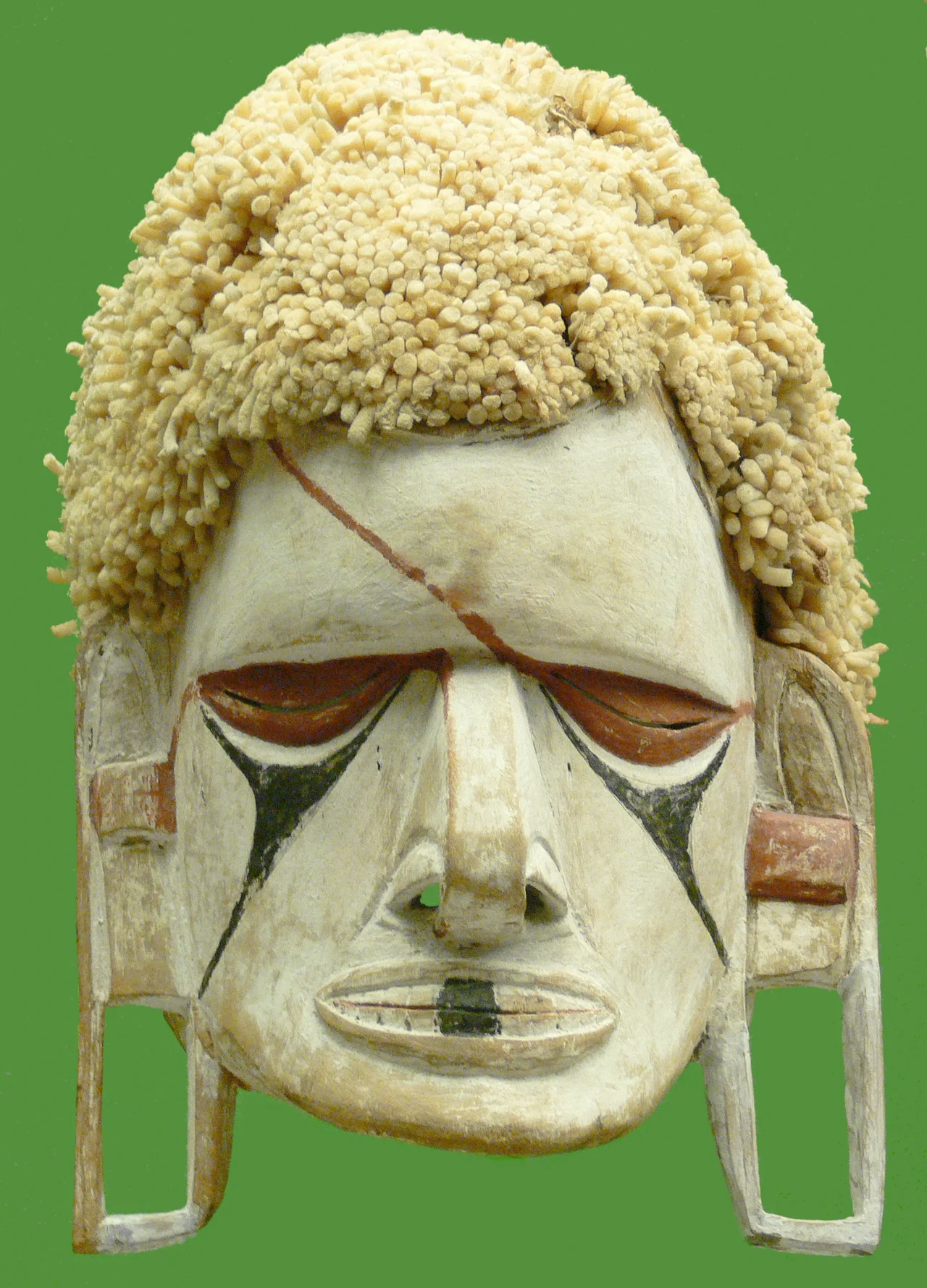
New Ireland is the home of Malagan art - elaborate carved wooden masks and funerary sculpture tied to ceremonies honoring the dead. For more than a century, Malagan pieces have ended up in museums from Berlin to New York, where they are admired as some of the most intricate figurative carving in the Pacific. The tradition continues in Kavieng and the surrounding villages, though only a small number of master carvers still work in the old styles. Alongside the carvings you will find the softer evidence of older chapters - the Kavieng Club, descended from the colonial-era clubhouse, and wartime relics scattered through the town, including a large Japanese gun still sitting above a bunker on Harbour Road.
Fishing, Golf, and Island Time
Sports Fishing New Ireland runs the 42-foot MV Maikara on 4-to-5 day cruises and day trips out of Kavieng, chasing the marlin, tuna, and reef species that thrive in the surrounding waters. If you want something quieter, the Kavieng Club keeps a nine-hole course on the edge of town - unpretentious, tropical, and with the feel of colonial-era golf preserved in amber. The pace on New Ireland's northern tip has a way of rearranging expectations. Days here are structured around tides, weather, and when the boat is leaving. For travelers willing to plan around a thin flight schedule and pay for a little more adventure than a typical Pacific resort, Kavieng delivers the kind of trip that people still talk about decades later.
From the Air
Kavieng sits at 2.57 degrees south, 150.80 degrees east, at the northern tip of New Ireland. The town is clustered around Balgai Bay, with a scatter of small coral islands - including Nusa Lik, Nusa Lawa, and Nango Island - visible in the channel between New Ireland and New Hanover. Kavieng Airport (AYKV) handles daily Air Niugini flights from Port Moresby (AYPY). The wharf and colonial-era town grid are the main visual landmarks from altitude. Tropical rainforest climate year-round - expect heavy rain, warm nights, and frequent cloud buildups over the interior.
Nearby Stories
- New Ireland Province 42 km away
- Landing on Emirau 68 km away
- Japanese cruiser Kako 113 km away
- New Ireland 126 km away
- Vitu Islands 225 km away
- Bismarck Archipelago 273 km away
- USS ABSD-4 361 km away
- Kuril Islands 5481 km away