.JPG)
Konotop
The name is a warning. Konotop comes from words meaning, roughly, where the horses drowned - a swampy, impassable place, the kind of ground that swallows a rider whole. Legend says that when Tatar cavalry rode through this corner of northeastern Ukraine, horses and men vanished into the mire, and the place was named for it. It is a fittingly stubborn name for a city that has spent centuries refusing to be taken, from a Cossack army's stunning triumph on its doorstep to a February morning in 2022 when its people were asked, plainly, whether they would fight.
The Marsh Where Horses Drowned
Konotop sits on the Dnieper Lowland, on the border between the marshy woodlands of Polesia and the open forest-steppe, its rivers feeding into the Seim twelve kilometres to the north. It is a name shared across the Slavic world - there are Konotops in Poland, Belarus, and Russia too - and in some Ukrainian dialects the word even doubles as the name of a common wayside weed. The settlement here was first recorded in 1634 as Novoselytsia, and in 1642 a Polish fortress went up beside the little river Konotopka. That fort was no ornament: on the frontier between the Polish-Lithuanian Commonwealth and the rising power of Muscovy, it became a key strongpoint in a long and grinding struggle for the land.
1659: The Battle at the Gates
Konotop's name entered the history books in 1659, when one of the great battles of the Cossack era was fought near the city. Hetman Ivan Vyhovsky, leading Cossack forces in alliance with Poles and Crimean Tatars, met a Muscovite army here and defeated it - a victory remembered as one of the most striking feats of Cossack arms. The town grew through the calmer years that followed, gaining municipal rights in 1782 and hosting three great fairs a year by the late 19th century. Its 20th century was darker: during the Second World War the German army occupied Konotop from September 1941 to September 1943, running a prison and, for nearly a year, a prisoner-of-war camp in the city - part of the vast machinery of suffering that the war brought to Ukraine.
A City That Voted to Stand
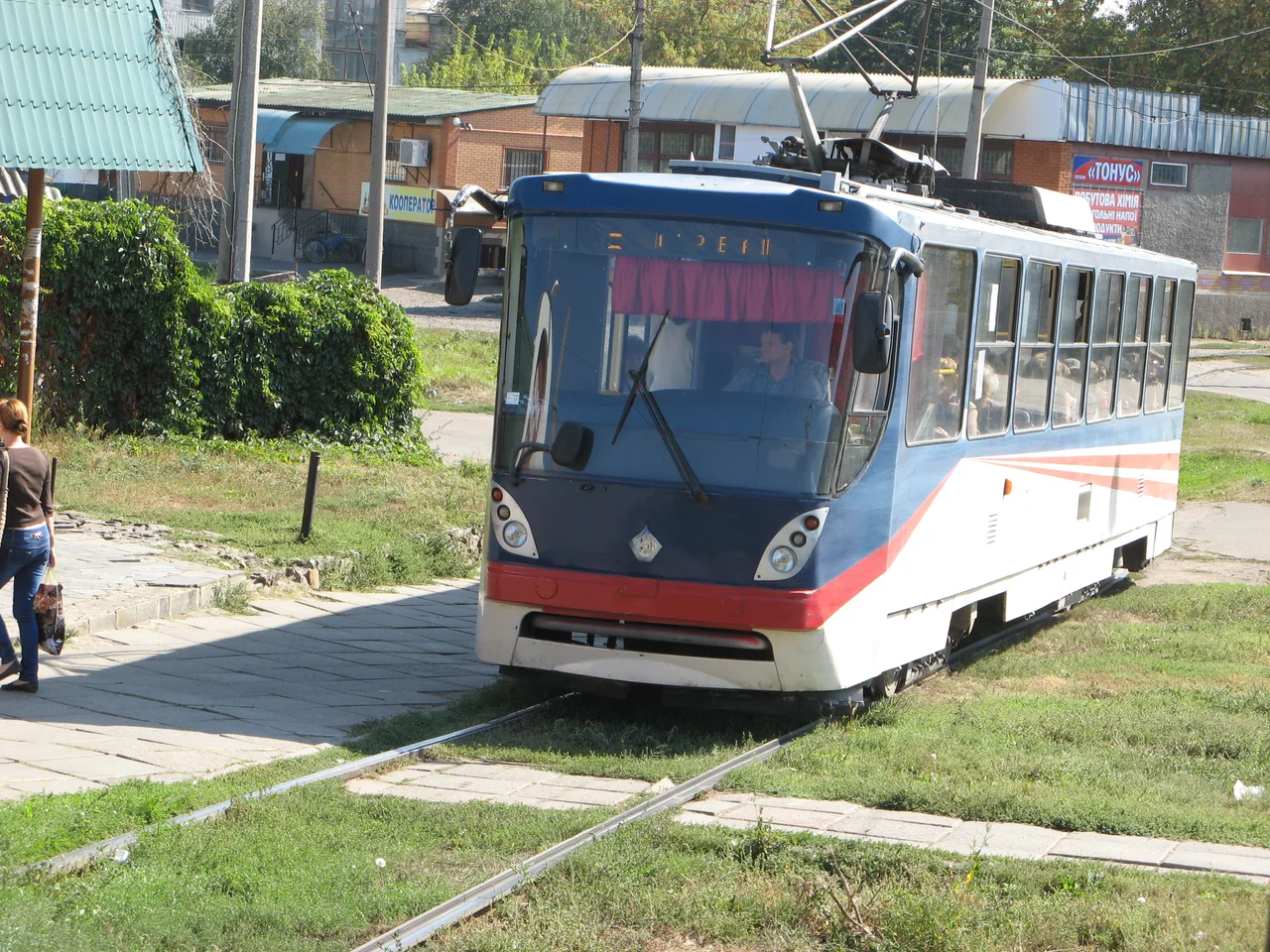
In the earliest days of the 2022 Russian invasion, Konotop found itself in the path of forces driving toward Kyiv, and on 25 February the city came under siege. What happened next became one of the war's defining small stories. The mayor put the question directly to the people of Konotop: fight, or surrender? They refused to surrender, overwhelmingly. An agreement was struck under which the Russian troops would not enter the city or change its government, and the residents would not attack them - an uneasy standoff rather than a capitulation. By early April, Ukrainian officials reported that Russian forces had left the whole district. Today Konotop endures as it long has: a rail and industrial hub, one of the smallest cities in Ukraine to run its own tram, still standing on the marsh that gave it its name.
From the Air
Konotop lies at 51.2375 N, 33.2083 E in Sumy Oblast, on the flat forest-steppe of the Dnieper Lowland. From 3,000 to 5,000 feet, look for the compact grid of the city crossed by rail lines, with the Seim River's marshy valley to the north; it hosts Konotop Air Base nearby. Nearest major airport is Kyiv Boryspil (UKBB) well to the west; Sumy lies about 129 km to the east.
Nearby Stories
- Kachanivka Palace 16 km away
- Hlukhiv 22 km away
- Mezine 36 km away
- Kruty Heroes Memorial 41 km away
- Glinsk Hermitage 46 km away
- Lebedyn 68 km away
- Sedniv 80 km away
- Treaty of Hadiach 87 km away