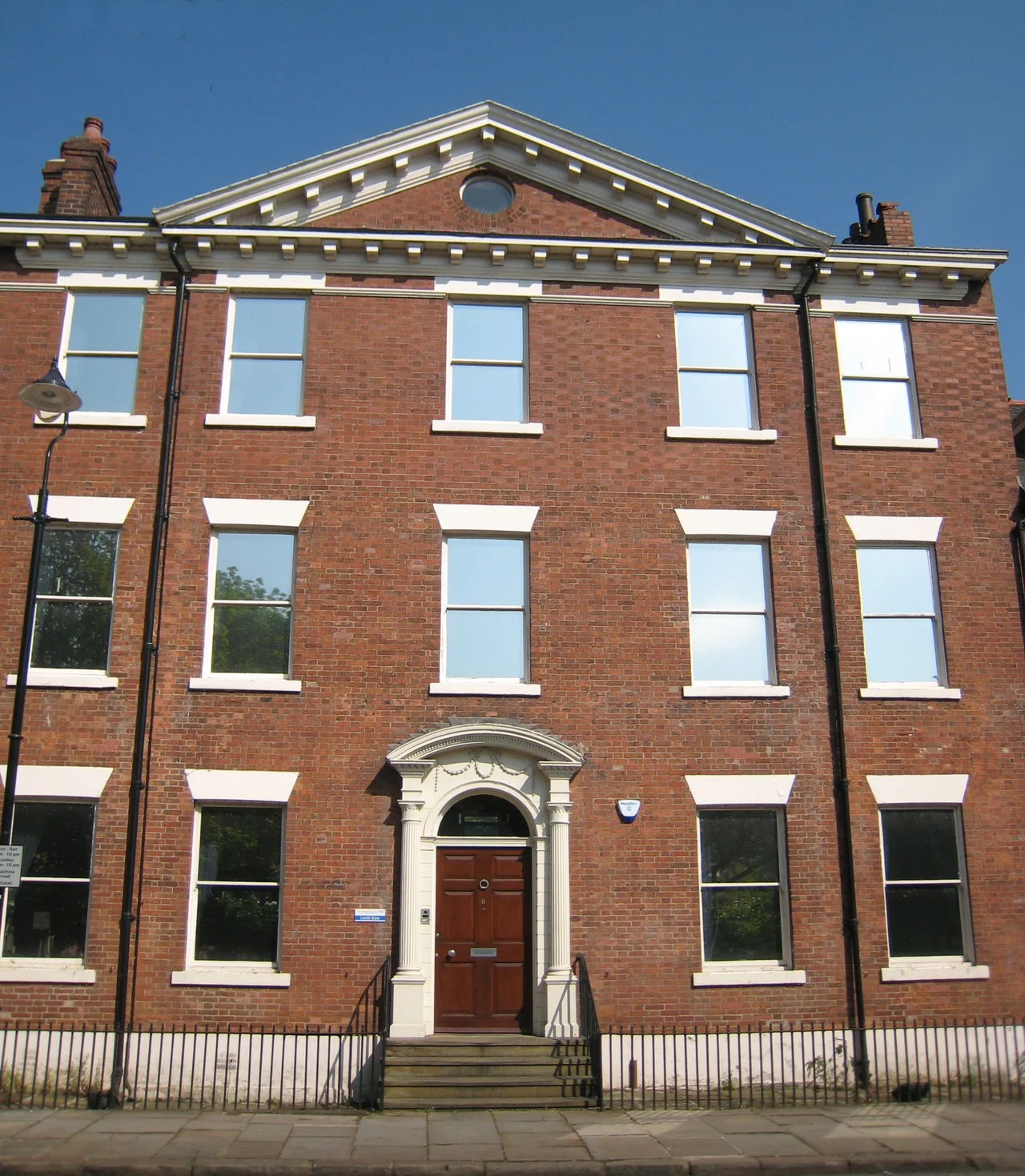

Leeds Dripping Riot
Two pounds of beef dripping, the fat poured from a Sunday roast, traditionally went to whichever servant did the cooking. Cooks sold it on to dressmakers, who used it for soap and candles. It was a perquisite, in the old word, an accepted part of the job. So when in January 1865 the Leeds surgeon and magistrate Henry Chorley discovered that his cook Eliza Stafford had disposed of two pounds of dripping to a local dressmaker, the household quarrel might have ended with a sharp word and a closed kitchen door. Instead Chorley pressed for prosecution. Eliza was tried for theft in front of magistrates who knew her employer, behind closed doors rather than in public, and convicted. The city of Leeds responded by putting fifteen thousand people on the street.
The Quarrel and the Trial
The case was heard before the Leeds Borough magistrates on 23 January 1865. Eliza Stafford admitted to having given the dripping to a dressmaker, but said, accurately, that disposing of dripping was a perquisite of a cook's job. Chorley, called as a witness, claimed it was one of several similar incidents, although the dripping was the only one he could prove. The magistrates convicted Eliza and sent her to Armley Gaol. The trial had been heard in private, for reasons the court never satisfactorily explained, and before magistrates who were personally known to the prosecuting employer. To a Leeds public already inclined to think the case petty, the procedure looked rigged.
What the Outrage Was Really About
The protests that followed were not really about dripping. They were about the way one class of person had used the courts against another. Eliza was a cook; Chorley was a surgeon and a magistrate. Eliza claimed a customary right; Chorley invoked the criminal law. Eliza's trial was held behind closed doors; Chorley's witness testimony was uncontested. The verdict felt like a demonstration of who the law was for, and Yorkshire public opinion, which has never enjoyed being told what to think by men in wigs, recoiled. Local newspapers covered the case in detail. Critics drew attention to the closed-court irregularity and the social proximity of magistrates to employer. The reading public organised.
Fifteen Thousand on the Street
On the Saturday before Eliza was due to be released, an estimated 12,000 to 15,000 people gathered outside Armley Gaol in solidarity. A smaller crowd, about 700, walked from the prison to Henry Chorley's home at 8 Park Square. Apart from some snowballs thrown at the surgeon's windows, the protests passed peacefully. On Tuesday 22 February, the day of Eliza's release, a crowd of several thousand assembled outside the gaol at 9 am, expecting to escort her home. Eliza, however, had been released at 7 am and had already left Leeds for Scarborough, where her daughter lived. The crowd did not know this, and they did not disperse. By 1 pm, as office workers came out for lunch, Park Square was full of people. The police decided to clear it.
Aftermath
After a formal notice ordering the crowd to disperse, the police charged. George Hudson, one of the demonstrators, was trampled severely enough that he later died of his injuries. Several men were arrested for riotous conduct, tried, and found guilty. The sentencing magistrate called the affair very silly excitement. One man was imprisoned, for a week. The other four were bound over for £10. The cook Eliza Stafford, of whom there is no subsequent historical record, disappears from history in Scarborough. Henry Chorley died in 1878. The Leeds Dripping Riot survives in Yorkshire memory not because of its scale of violence, which was small, but because of what it crystallised: an Victorian working-class community standing up, briefly and at the cost of one life, against a justice system it could see being used to put a class enemy in its place. The dripping had never been the point.
From the Air
The events of the Leeds Dripping Riot played out across central Leeds: Armley Gaol (since closed and partly rebuilt) at 53.80°N, 1.59°W in the western suburb of Armley, and Park Square at 53.80°N, 1.55°W in the centre, where Chorley's house at number 8 still stands. From above, look for the green of Park Square just west of the civic quarter. Leeds Bradford Airport (EGNM/LBA) is 7 miles northwest.
Nearby Stories
- Hovingham Hall 6 km away
- RAF Elvington 7.6 km away
- Battle of Hatfield Chase 9.1 km away
- Wentworth Castle 11 km away
- Murder of Suzanne Capper 12 km away
- Pendle Hill 13 km away
- RAF Topcliffe 15 km away
- Hawes Junction Rail Crash 26 km away