
Loch Maree Hotel Botulism Poisoning
On the morning of 14 August 1922, a fishing party gathered in the entrance hall of the Loch Maree Hotel and collected the picnic baskets that hotel staff had prepared for them. Thirteen sportsmen, two wives, seventeen local gillies who knew the loch's pools, and three mountain climbers - thirty-five people in all - then dispersed across one of the most beautiful stretches of water in Scotland. The packed lunches contained, among other things, sandwiches made with potted duck paste. By the next morning the first of them was dead. By the end of the week, eight people had died. It was the first recorded outbreak of botulism in the United Kingdom, and it remains the worst on British record.
Who Was There
The dead were not strangers to one another. Sport fishing parties of this era were close-knit affairs - returning clients, family friends, gillies who had worked the same beats for decades. Among the eight who died were named visitors and named locals - hotel guests and the men who had been hired to row them and net their catch. Newspaper reports of the week described the families left waiting at the hotel as one by one the patients were brought in by boat and motor car. Dr Knox, the local doctor whom the hotel owner Alex Robertson called the moment the first symptoms appeared, did everything that 1922 medicine could do, which was very little. There was no antitoxin available. There was not even a settled diagnosis until William MacLean, the district medical officer of health, recognised the symptoms as matching those described by the Belgian bacteriologist Emile van Ermengem in his investigations of fatal German sausage poisonings in the 1890s.
The Killer in the Jar
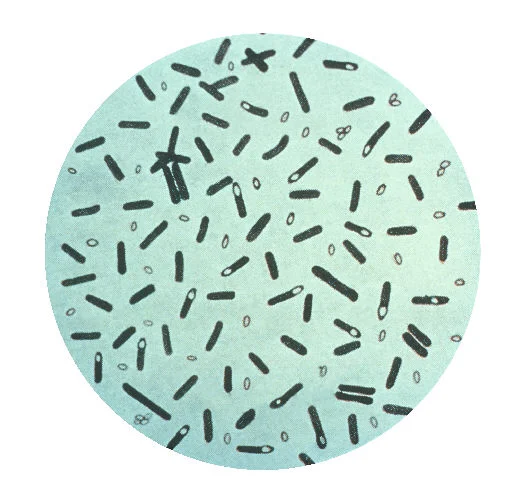
Botulism is caused by Clostridium botulinum, a bacterium that thrives in airless, low-acid food environments and produces one of the most lethal natural toxins known. Potted meat - cooked meat sealed under a layer of fat or in a glass jar - is one of the classical environments in which it can grow undetected. The 1920 United States outbreak that had occurred just two years earlier had been traced to glassed olives; an earlier German outbreak had been linked to sausages from Wurttemberg. In 1922 in Scotland, the suspect food was potted duck paste, prepared at the hotel and sent out in the packed lunches. The public inquiry confirmed the link. The paste had been heated, sealed, and stored - and that was enough, in the era before standardised commercial canning, for the bacterium to do its quiet work.
The Aftermath
The Loch Maree case shocked Britain partly because of the scale, partly because of the setting. The hotel was a fixture of Victorian and Edwardian travel - Queen Victoria herself had stayed there in 1877 and made the loch famous. Death in such a place felt out of order. Newspapers across the United Kingdom and as far away as New York carried the story. The medical journal accounts that followed - including a famous lecture given in February 1923 - became the foundational case study for British understanding of botulism. Food regulation in Britain, slow and patchwork before 1922, began to tighten in response. The case is still taught in food safety courses today, more than a century later. The hotel itself continued to operate, eventually closing in the late 20th century; the site is now a smaller establishment with a different name.
What the Lesson Costs
Eight people went to a Highland hotel for a fishing holiday and did not come home. Their families waited for them at railway stations and were met by telegrams. The gillies, who lived on the loch and worked there every season, left wives and children behind. It is easy, a century later, to read this as a footnote in the history of food microbiology - the case that taught Britain about Clostridium botulinum. It was that, and the lessons matter. It was also a small atrocity, in a beautiful place, on an ordinary August day. Every safety standard that now protects a packed lunch was written, in part, by what happened here.
Where It Happened
From the air, the location is unmistakable: the south shore of Loch Maree, at the small settlement of Talladale, where a single road and a cluster of buildings sit between the great water and the steep flanks of Beinn Eighe. The original hotel building - the one Victoria stayed in, the one from which those packed lunches were sent - stood here. The loch stretches roughly thirteen miles north-west to south-east, with Slioch rising on the far shore and Beinn Eighe to the south. There are no large towns. Then as now, the silence and emptiness of the country were the reason people came. Then as now, that emptiness meant a medical emergency was hours, not minutes, from help.
From the Air
The hotel site is at 57.68 N, 5.50 W on the south shore of Loch Maree, at Talladale in Wester Ross. Inverness Airport (ICAO EGPE) is about 95 km east; Stornoway (EGPO) about 100 km west. Recommended viewing altitude 2,500-3,500 ft AGL - low enough to see the small road-side settlement against the great length of the loch. Slioch on the north shore and Beinn Eighe to the south are the dominant landmarks. Watch for sudden katabatic winds funnelling down the loch.
Nearby Stories
- Summer Isles 2.5 km away
- Raasay 9.6 km away
- Lochalsh 15 km away
- Staffin 19 km away
- Affric-Beauly hydro-electric power scheme 19 km away
- Alladale Wilderness Reserve 22 km away
- Bayble Island 24 km away
- Loch Shin 25 km away