.jpg)
Massawa
From Asmara to Massawa is 115 kilometers and three climates. You leave the Eritrean capital at 2,600 meters wearing three layers, shed two in Nefasit and Ginda, and by the time the switchbacks dump you onto the Red Sea coast you are in a T-shirt and the thermometer is reading 45 Celsius. The road is a single long descent through terraces of grapes and shoulder-narrow hairpins, with the Asmara-Massawa Cableway towers still visible in places along the ridge - 75 kilometers long when the Italians built it in the 1930s, and for its time the longest ropeway conveyor in the world. At the bottom, you arrive at an old port city on two islands, stitched to the mainland by causeways and salt flats, where the Red Sea air smells of grilled fish and diesel.
Three Neighborhoods, Two Islands
Massawa spreads across two islands and a strip of mainland. The old town, which Eritreans call Batsi, sits on an island it shares with the country's deep-water port, a free trade zone, and a tangle of narrow alleys between Ottoman-era coral buildings. A second island, Tualud, holds most of the serviceable downtown hotels - the Dahlak, the Red Sea, the Central, the Corallo - along with St. Mary's Catholic Church and the famous tank monument that commemorates the Eritrean War of Independence. Another causeway links Tualud to the mainland, where the central bus station, the Segalet open-air cinema, and various administrative buildings are scattered with less concentration. The two islands are walkable. Gurgusum Beach, the mainland beach about 14 kilometers north, needs a taxi. The Abdelkadir peninsula holds the naval base. The city is a string of connected fragments, and walking the causeways at sunset is the best way to understand how they fit together.
Climbing Down From Asmara
Getting to Massawa means getting down from Asmara. Buses run frequently before dusk, minibuses leave as soon as they fill, and both make the drive in roughly three hours on the winding Asmara-Massawa highway. There is also a narrow-gauge railway, largely a museum now, with steam engines that run chartered tours rather than regular service. The road itself is the experience most travelers remember. You start at elevation and descend through green terraces, changing climate zones every twenty minutes. By Nefasit you have dropped below the highland frost line; by Ginda the air is tropical; by the coast plain you are in one of the hottest marine climates on Earth, where even Nakfa up in the northern highlands can go below freezing in January while Massawa is baking.
The Green Island and the Dahlaks
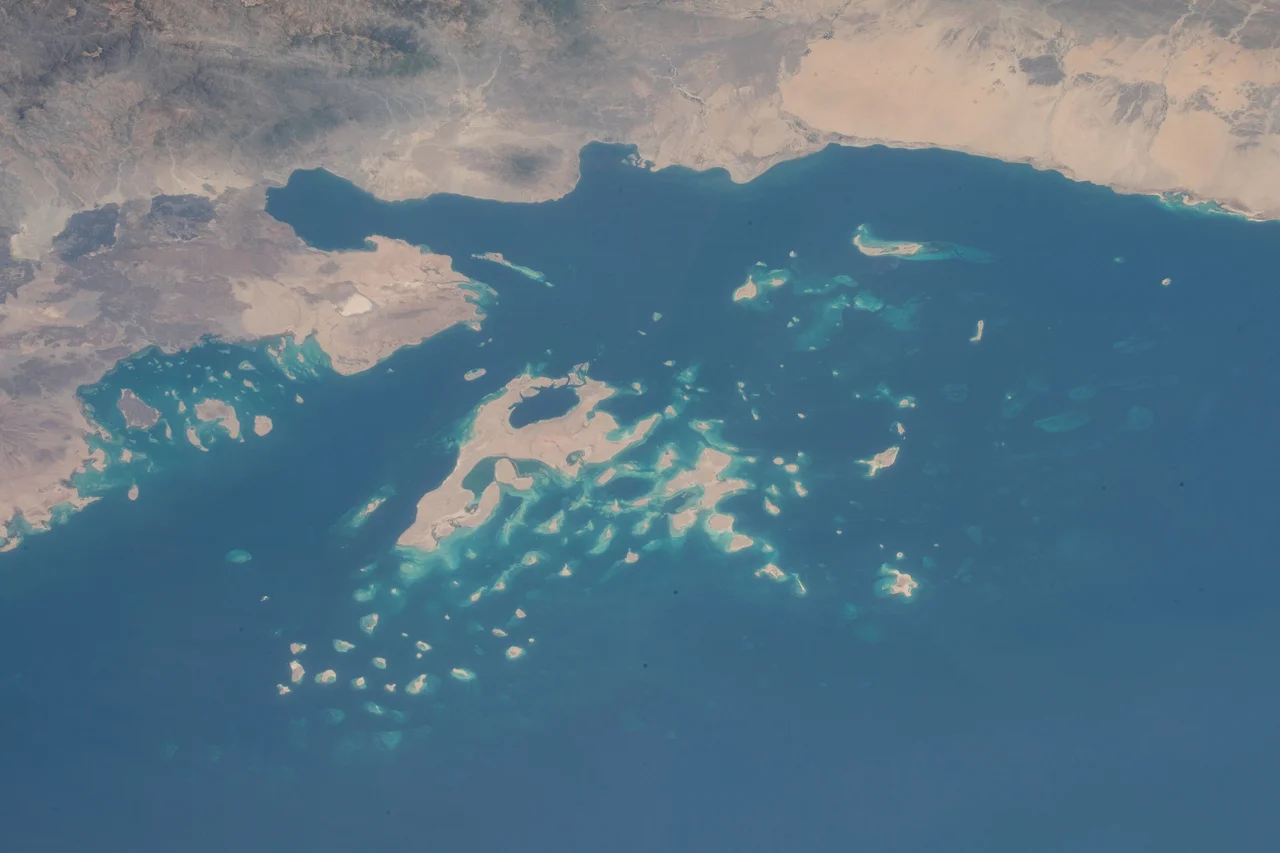
The real reasons people visit Massawa today are offshore. The Dahlak Archipelago - more than 120 islands scattered across the southwestern Red Sea - offers some of the most pristine coral reefs in the region, along with mangroves, turquoise shallows, and beaches that see almost no one. Getting there requires a chartered boat or joining an organized diving trip, both expensive. Closer in is the Green Island, a natural park in Massawa Bay that the Dahlak Hotel runs day trips to in about twenty minutes. The Green Island has a pristine beach, mangroves, the ruins of an ancient mosque, and an abandoned pearl-fishing settlement. There is nothing on the island itself - bring water, food, and sunscreen, and take your waste with you when you leave. Snorkeling around the Green Island and the Dahlaks is excellent. A decompression chamber in Massawa stands by in case of diving incidents, and the standard advice is not to fly up to the Asmara altitude for at least a day or two after diving.
What Massawa Sells
The souvenirs you can legally and ethically bring out of Massawa are limited. Coral and mother-of-pearl products are traditional crafts but are now restricted or discouraged for conservation reasons. What you can safely carry home is salt - a big basket of sea salt from Massawa is something your Asmara hosts will appreciate, and it has been the lowland's gift to the highlands for centuries. The old town becomes a different city after dark. Once the temperatures drop slightly in the evening, the alleys fill with shops, bars, and restaurants opening for the night trade. You can eat Red Sea fish grilled Yemeni-style in a clay oven at a single rustic streetside restaurant in the oldtown, served with small limes, thin flat-bread, and dates soaked in butter and honey. Or you can go to the Dahlak Hotel for a more formal version. Drinks are straightforward: Asmara Beer, mineral water of whichever brand you can find, and that is mostly that.
Staying Safe in the Heat
Plan around the sun and the mosquitoes. The Red Sea sun at sea level is unforgiving, and sunscreen is hard to find in Eritrea - what you can find tends to be expensive and often expired, so bring your own and bring extra sunglasses. Mosquitoes are a real problem in the winter months from November through February, and while malaria prophylaxis helps, dengue fever is also present along the Eritrean coast and has no treatment beyond avoiding bites. Local mosquito nets are cheap, sold under the name Lamse, and worth getting the moment you arrive. The combination of desert heat and unusually high summer humidity makes apparent temperatures in Massawa extreme. Stay hydrated, move slowly in the middle of the day, and plan your walks for the morning and evening. The old town rewards patience. So does the whole city, but only on its own schedule.
From the Air
Massawa is at 15.60°N, 39.43°E on the Eritrean Red Sea coast. Massawa International Airport (HHMS / MSW) serves the city. The port and two islands (Batsi/old town and Tualud) are distinctive from the air. From Asmara (2,600m elevation) to Massawa (sea level) is a 115 km road descent - the dramatic altitude change is visible as distinct climate bands. Extremely hot climate with summer temperatures exceeding 45°C and high humidity despite the desert classification. Visibility generally good; watch for dust haze in strong winds. The Dahlak Archipelago spreads to the east/southeast offshore.
Nearby Stories
- Adulis 12 km away
- Northern Red Sea region 20 km away
- Eritrea 27 km away
- Southern region (Eritrea) 55 km away
- Danakil Depression 119 km away
- Nakfa 149 km away
- Italian Submarine Guglielmotti (1938) 188 km away