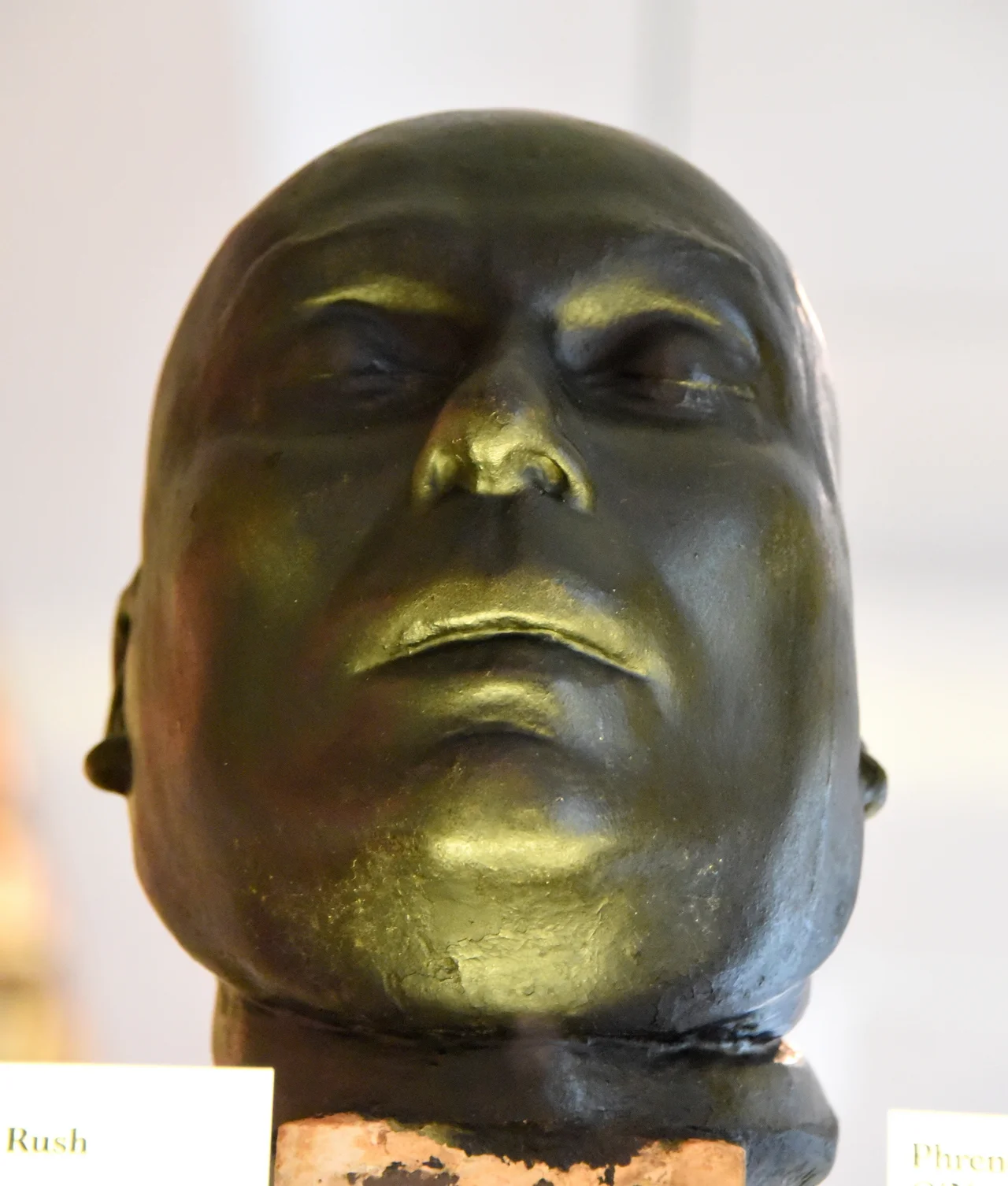

Murders at Stanfield Hall
The evening of 28 November 1848 was supposed to be unremarkable at Stanfield Hall, a country mansion near Wymondham in Norfolk. Isaac Jermy — a man of standing, the Recorder of Norwich, a figure with legal connections and a settled place in the county — was home with his family. His son, also named Isaac, was there too. What happened next took only moments. Both men were shot dead: the father on the porch, the son in the hallway. The shooter had come wearing a false wig and false whiskers, with a plan he had constructed over months and which he believed was foolproof. It was not.
The Victims
Isaac Jermy and his son Isaac Jermy were the targets of a scheme built on debt, desperation, and deception. The elder Jermy was the Recorder of Norwich — a senior legal officer of the city — and his position gave him both standing and legal resources that made him a formidable adversary in any property dispute. The family had faced challenges to the title of the Stanfield Hall estate from relatives, but Isaac Jermy had the law on his side and was unlikely to lose his home.
The younger Isaac was a son living in his father's house, a young man who had done nothing to bring harm upon himself. Mrs. Jermy, the younger Isaac's pregnant wife, was also present that evening. She was shot and wounded but survived. The servant Elizabeth Chestney, also wounded, survived too. Their survival would matter enormously in the days that followed.
James Bloomfield Rush and the Scheme
James Bloomfield Rush had been a tenant farmer on Jermy land for nearly a decade. He had borrowed heavily — mortgaging and remortgaging his farm, ostensibly for improvements that never materialised — and the deadline to repay was approaching. If he defaulted, he faced foreclosure and eviction, with children to support and a pregnant mistress, Emily Sandford, who had come to the farm as governess and remained as his companion.
Rush's plan was elaborate and murderous. He intended to kill the elder and younger Jermy, their servant, and the younger Jermy's pregnant wife while disguised, then blame the killings on the relatives who disputed the Jermy title to the estate — making himself appear innocent and the mortgage problem conveniently disappear. He had also forged documents as part of the scheme, evidence of which was later provided at trial by Alfred Smee, creator of the Bank of England's official 'Bank Black' ink.
But Rush's disguise was inadequate. Mrs. Jermy and Elizabeth Chestney, both wounded, were able to identify him. Emily Sandford, whom Rush had instructed to provide him with an alibi, refused. The plan that was supposed to eliminate everyone who could testify against him had left witnesses alive.
Trial, Execution, and Memory
Rush was held in Norwich Castle gaol from early December 1848. He chose to defend himself at trial — an unusual decision that prolonged the proceedings and heightened public interest. The Norwich Assizes returned a guilty verdict on 4 April 1849. On 21 April 1849, Rush was hanged in front of a crowd of thousands by hangman William Calcraft in the grounds of Norwich Castle.
The case had captured national attention in the way that certain Victorian murders did: the combination of a respectable setting, a cunning perpetrator, forged documents, a disguise, a failed accomplice, and two survivors who could testify made it irresistible to the press. Commemorations multiplied: broadside ballads were printed, Staffordshire pottery figures of Rush and Sandford were produced, and a life-size waxwork of Rush was displayed in the Chamber of Horrors at Madame Tussauds from 1849 until 1971. A novel by Joseph Shearing drew on the case, and it inspired the 1948 film Blanche Fury.
Isaac Jermy and Isaac Jermy his son are now mainly remembered as the victims in their killer's story. They were real people with families, positions, and futures — the elder a legal officer of Norwich, the younger a man who had barely begun his adult life. Stanfield Hall still stands near Wymondham, a private building that carries this history in its walls.
From the Air
Stanfield Hall is located at approximately 52.5648°N, 1.1614°E near Wymondham, roughly 10 miles southwest of Norwich. The hall is a private country house set in rural Norfolk farmland and is not open to the public. Norwich Airport (EGSH) lies approximately 12 miles to the northeast. The hall itself is difficult to identify from altitude, but Wymondham is a recognisable market town on the A11 road corridor. Norwich Castle, where Rush was executed, is clearly visible from the air over central Norwich at 52.6281°N, 1.2968°E.
Nearby Stories
- Sheringham 2.7 km away
- Wingfield Castle 4.4 km away
- Castle Acre Castle and Town Walls 6.3 km away
- Brancaster 7.1 km away
- West Stow Anglo-Saxon Village 9.3 km away
- Four Days' Battle 80 km away
- Battle of Lowestoft 80 km away
- SM U-97 110 km away