
National Science and Media Museum
There were five storeys of cinema screen in April 1983 when the IMAX projector first threw an image at the wall in Bradford - the largest screen in Britain at the time, the first permanent IMAX installation in the United Kingdom, and the centrepiece of the brand-new National Museum of Photography, Film and Television. Six-channel sound. A projection booth visible through a darkened glass panel on the fourth floor where the public could watch the projectionist threading celluloid the size of a small carpet. The museum opened in a converted theatre building in Bradford, an inheritance of the city's older entertainment economy. Forty years later the cinema is digital, the booth is gone, and the museum has changed names twice - it became the National Media Museum in 2006, then the National Science and Media Museum in 2017 - but the IMAX screen is still there, and the original idea behind it has only deepened.
Why Bradford
The Science Museum in London wanted a northern outpost in the early 1980s. Bradford wanted prestige, jobs, and a reason for visitors to make the trip from Leeds across the Aire Gap. The two ambitions met around the old Princes Theatre, a multi-storey playhouse whose bars and dressing rooms would convert awkwardly but usefully into galleries. Conversations between Dame Margaret Weston, head of the Science Museum, and Bradford's councillors produced the deal. Local funding paid for the architectural work; the Science Museum's national funding paid for the collections and the cinema. The first director, Colin Ford, believed the museum should be about understanding how images are made - because understanding the technique deepens appreciation of the intent. The museum opened in 1983 and grew. By 2009 Bradford had become the world's first UNESCO City of Film, partly on the museum's strength.
Le Prince's Films
The collection runs to 3.5 million objects, but two of them are short, two-second sequences of film shot in Leeds in October 1888. Roundhay Garden Scene shows the inventor Louis Le Prince's son, his daughter-in-law, his mother-in-law Sarah Whitley, and a friend walking in a small circle on a lawn in Roundhay. Traffic Crossing Leeds Bridge shows pedestrians and horse-drawn carts a few miles south. They are the oldest surviving moving pictures in the world, predating the Lumière brothers and Edison by years. Le Prince vanished from a train at Dijon in September 1890, before he could demonstrate his invention publicly. The films now live in Bradford - the city that became Britain's official guardian of moving-image history because Leeds, twenty minutes east, gave them their birth.
Wonderlab and Power Up
The museum stopped pretending its 1980s name still fit when it became the National Science and Media Museum in 2017. Wonderlab opened the same year - an interactive gallery built around the physics of light and sound, with a 15-metre echo tube and a mirror maze and the world's first permanent 3D-printed zoetrope spinning in the corner. Power Up came earlier - a playable video game gallery drawing on the National Videogame Archive established in 2008 with Nottingham Trent University. Original arcade cabinets, working home consoles from the 1970s onward, playable classic titles - the kind of collection that tends to draw visitors in their fifties and their teenagers and produce surprising shared conversations. In September 2017 the museum hosted Soyuz TMA-19M, the capsule that brought British astronaut Tim Peake back from the International Space Station. It was the first time the spacecraft had been displayed outside London.
Three Cinemas, Three Histories
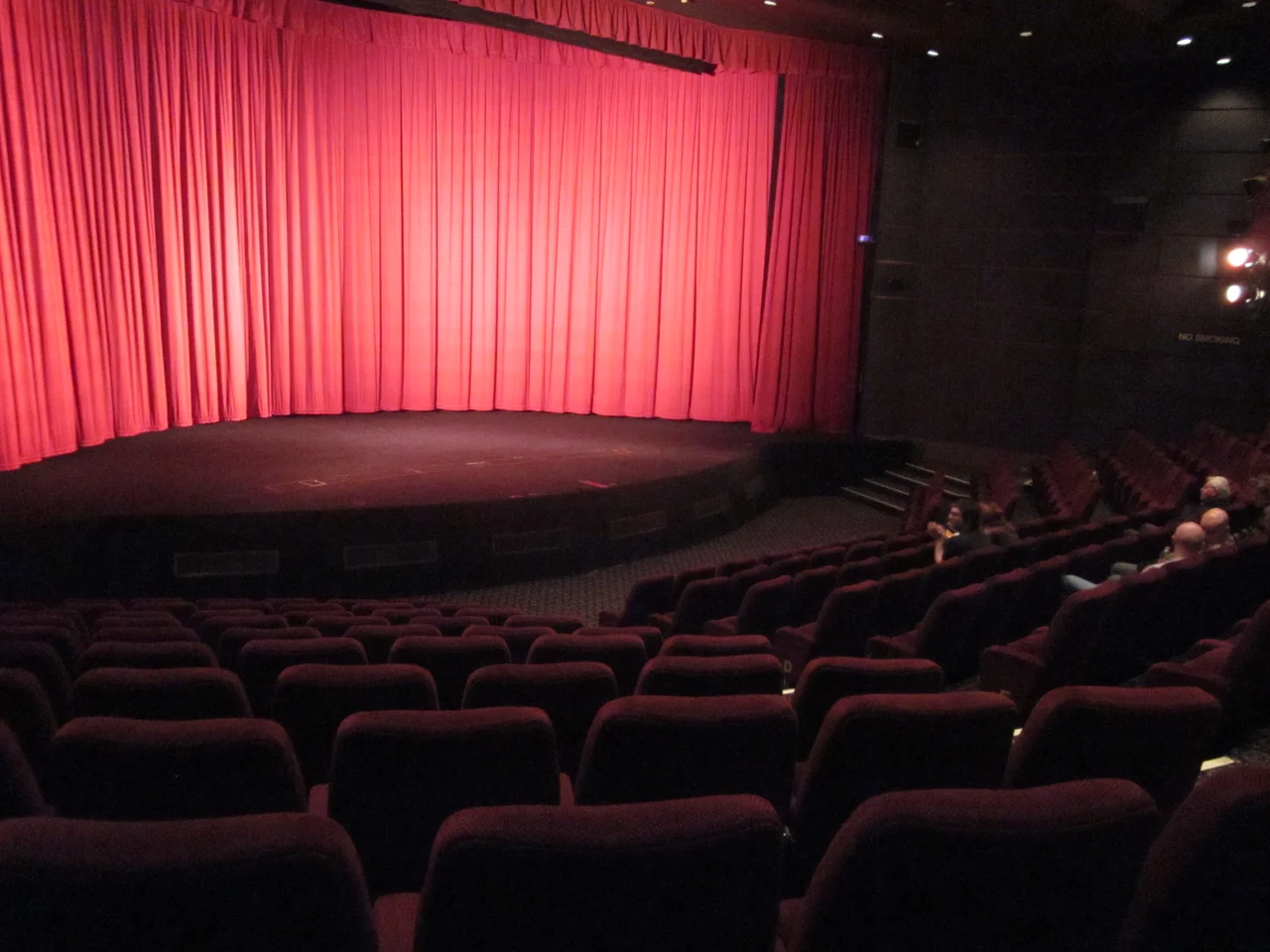
The Pictureville Cinema opened in 1992, and the film producer David Puttnam once called it the best cinema in the world. It still screens 70 mm prints, original 3-strip 35 mm Cinerama, silent films with live accompaniment, and modern digital releases. It is one of only three public cinemas anywhere permanently equipped for Cinerama and the only one in the United Kingdom. The Widescreen Weekend festival each October brings audiences from across the world for Cinerama, VistaVision, 70 mm, and IMAX screenings. The Cubby Broccoli Cinema, named after the producer of the James Bond films, holds 106 seats and runs the smaller programmes. The IMAX, now digital, still hosts the giant screen experience the museum was originally built around. Together they form possibly the most varied public cinema operation in Britain.
What's Kept, What's Moved
The decision to transfer most of the Royal Photographic Society collection to the Victoria and Albert Museum in London in 2016 was controversial, and the museum's pull-back from the Bradford International Film Festival the same period upset many in the city. The argument was that the museum needed to focus - the science and culture of light and sound, particularly as it shaped photography, cinema, television, and gaming. The collections that remain include the first photographic negative ever made, the earliest known television footage, the world's first colour moving pictures, the Daily Herald photographic archive of millions of newspaper images, 35,000 Kodak objects, and the original toys from the BBC series Play School - the first programme ever broadcast on BBC2. The museum closed in June 2023 for a major refurbishment and reopened in January 2025 with the new Sound and Vision galleries replacing the older Television and Animation spaces. Entry remains free.
From the Air
The museum is in central Bradford at 53.791°N, 1.756°W, immediately south of Centenary Square and the Alhambra Theatre. Leeds Bradford Airport (EGNM) is 4.5 nm to the east-north-east. From altitude the museum's distinctive seven-storey block sits at the southern end of the cultural quarter, with the curved metal roof of the Alhambra to the north. Best viewing altitude 2,000-4,000 ft AGL. Bradford sits in a bowl in the Pennine foothills; weather is changeable, and clearest visibility tends to come after frontal passage. The Yorkshire Dales rise on the western horizon from any altitude above 3,000 ft.
Nearby Stories
- Hovingham Hall 6 km away
- RAF Elvington 7.6 km away
- Battle of Hatfield Chase 9.1 km away
- Wentworth Castle 11 km away
- Murder of Suzanne Capper 12 km away
- Pendle Hill 13 km away
- RAF Topcliffe 15 km away
- Hawes Junction Rail Crash 26 km away