
Paleontological Sites of Santa Maria
Some of the first dinosaurs to walk the Earth left their bones in the red mudstone beneath Santa Maria. Long before this corner of southern Brazil became a city of universities and cattle highways, it was a hot floodplain at the edge of the supercontinent Pangaea, crawling with creatures that science would not name for another 230 million years. Then, in 1901, the first fossils surfaced from the ground near the Cerrito hill, and a quiet inland town discovered it was sitting on a graveyard of the deep Triassic.
When Dinosaurs Were New
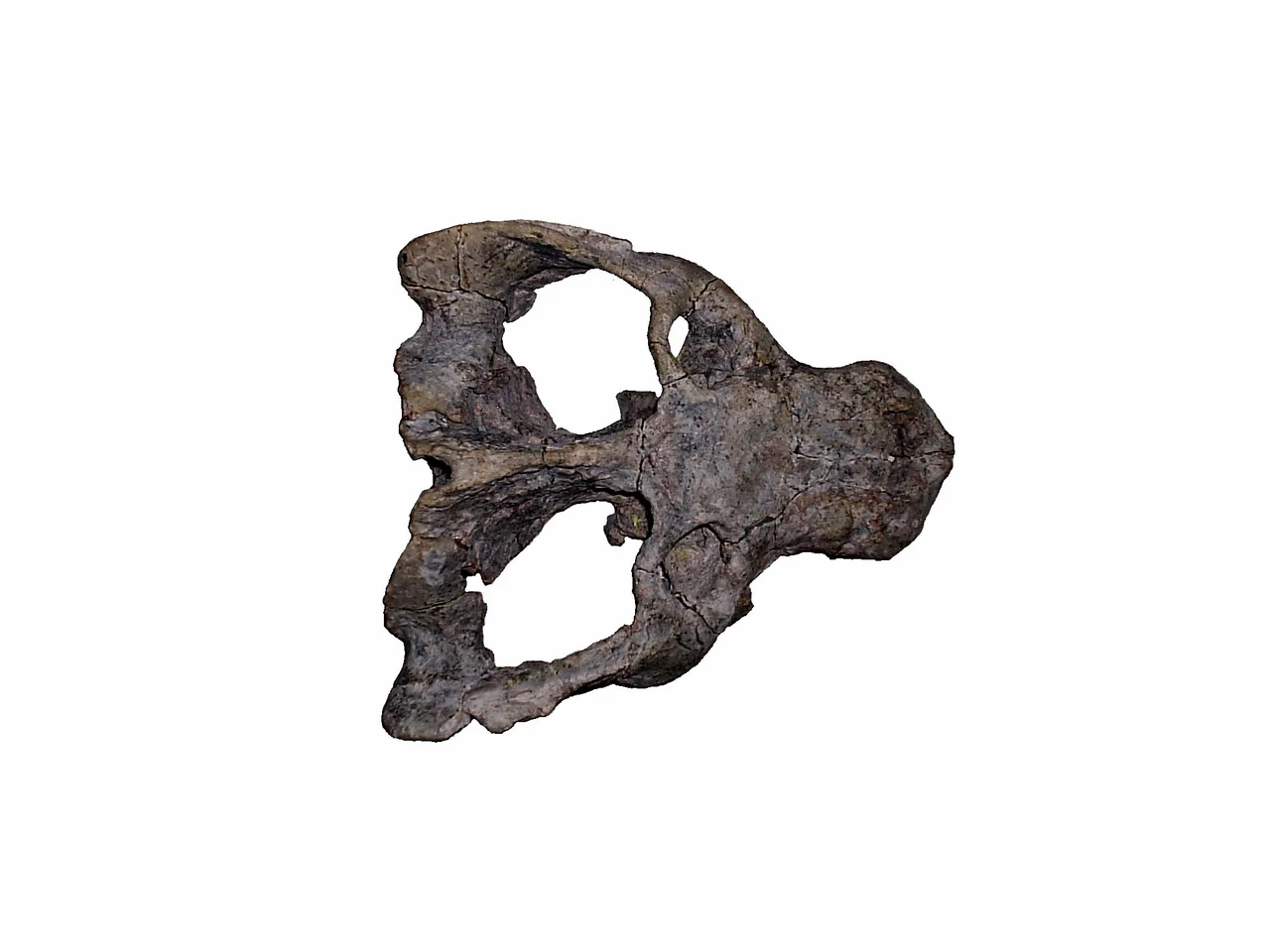
The rock here belongs to the Santa Maria and Caturrita formations, laid down in the Late Triassic roughly 233 to 225 million years ago. This was the dawn of the age of dinosaurs, when the group was still small, fast, and far from dominant. The plains teemed instead with stocky, beaked reptiles called rhynchosaurs and with mammal ancestors known as cynodonts. A rhynchosaur was among the first fossils collected here in 1902, one of the earliest such finds made anywhere in South America since Charles Darwin had passed through the continent aboard the Beagle. What looks like ordinary farmland today is in truth a window onto a vanished world.
The Southern Cross Lizard
From these beds came the first dinosaur ever named from Brazil: Staurikosaurus, the "Southern Cross lizard," christened for the constellation that hangs over the southern sky. It was a slender, two-legged predator barely longer than a person is tall, sprinting through the underbrush perhaps 225 million years ago. The fossil-hunter Llewellyn Ivor Price, born in Santa Maria itself, recovered it, and the species name honors him. Smaller and stranger still is Sacisaurus, an early plant-eater unearthed at nearby Agudo. Diggers found 35 right thigh bones but only a single left one, so they named the animal for the Saci, the one-legged trickster of Brazilian folklore who hops through the forests of campfire stories.
A City Built on Bones
More than twenty fossil sites pepper the municipality, clustered around the Cerrito hill where highways BR-287, BR-158 and RS-509 now braid together. The most storied of them carry names like Sanga da Alemoa and Arroio Cancela, ravines where erosion keeps peeling back the layers and offering up new specimens. Santa Maria calls itself the birthplace of paleontology in Brazil, and it means it. The town has folded that identity into its civic life, distributing a free book on the region's fossil vertebrates to its schools and libraries, and even printing comic books that send a gaucho character romping among the dinosaurs to teach children where they live.
Where to Stand Among the Ages
The fossils themselves are fragile and buried, but the discoveries surface in town. The Vicente Pallotti museum and the Gama d'Eca educational museum both hold specimens drawn from the surrounding earth, letting visitors come face to face with skulls that predate the dinosaurs' rise to power. The whole area forms part of the Paleorrota geopark, one of the richest Triassic fossil regions on the planet. To stand here is to stand at a hinge of natural history, the moment when the ancestors of every dinosaur, bird, and indeed every mammal were just beginning their long experiment.
From the Air
The Paleontological Sites of Santa Maria lie at 29.70 degrees south, 53.80 degrees west, scattered through the rolling farmland around the Cerrito hill in central Rio Grande do Sul. The terrain is gentle and green, cut by the red-earth ravines that expose the fossil beds, with the city of Santa Maria spreading immediately to the north. The nearest airport is Santa Maria (ICAO: SBSM), about 12 km east in the Camobi district, which shares facilities with the ALA4 air force base. Porto Alegre (ICAO: SBPA) lies roughly 290 km to the east-southeast. A viewing altitude of 2,000 to 4,000 feet above ground reveals how the highway junctions wrap the low hills; the wider Paleorrota geopark unfolds across the gently folded plateau toward the north and west. Clear, dry autumn and winter days offer the best visibility over this part of the southern Brazilian interior.
Nearby Stories
- Battle of Ituzaingó 55 km away
- Ruins of São Miguel das Missões 90 km away
- Santa Cruz do Sul 98 km away
- Santo Ângelo 121 km away
- São Lourenço Mártir Archaeological Site 130 km away
- Passo Fundo 158 km away
- Bagé 162 km away
- 2009 Brasil de Pelotas Bus Disaster 182 km away