_-_Cleethorpes.jpg)
RAF North Coates
On 20 November 1942, sixteen Bristol Beaufighters from 236 and 254 Squadrons took off from RAF North Coates to attack a German convoy heading for Rotterdam. The weather was foul. The squadrons lost contact with each other. Focke-Wulf 190s were waiting overhead. The strike damaged three ships. Three Beaufighters were shot down, and four more were so badly damaged that they crashed or made forced landings on the way home. It was a debacle. It was also the first operation of the Coastal Command Strike Wing - a tactic that would, eventually, work. But the price was already being paid on the first day. By the end of the war, the station's wings had lost a hundred and twenty aircraft and two hundred and forty-one aircrew.
Coastal Patrols and Forgotten Beginnings
The story did not start with the Beaufighters. It started in 1914, when the army opened a small camp at North Coates Fitties for soldiers of the Lincolnshire Regiment. In 1916 the field was converted into a forward landing ground for the Royal Flying Corps. Aircraft from No. 33 Squadron, based inland at Brattleby (later RAF Scampton), flew coastal patrols from here against the Zeppelin raids and any German naval activity that threatened the Humber. From October 1918 No. 248 Squadron RAF occupied the field. Then the armistice came, the war ended, the airfield was run down, and in March 1919 it closed. The land returned to its original owner. The first chapter of RAF North Coates lasted three years.
The Second Coming
In 1927 the RAF came back, opening North Coates as an Armament Practice Camp - a place where squadrons rotated through to fire guns and drop bombs over the sea. It was a useful, secondary station. Then the Second World War came. The Battle of Britain finished. The Battle of the Atlantic raged. And the German merchant fleet kept supplying the Reich along the coast from Norway to the Hook of Holland. Stopping that traffic became Coastal Command's job. Beaufighter squadrons moved in. The Strike Wing concept took shape: large coordinated formations of torpedo-armed and cannon-armed Beaufighters, escorted by fighter Beaufighters, hitting convoys en masse rather than in penny packets.
20 November 1942
The first Strike Wing operation taught everyone how much there was to learn. The German convoy heading for Rotterdam had air cover - Focke-Wulf 190 fighters - that the British had not adequately planned for. The weather closed in over the North Sea, and the two squadrons lost contact with each other in the cloud. The attack went in piecemeal. Three German ships were damaged. Three Beaufighters were shot down outright. Four more came home so badly damaged that they crashed or made forced landings. After the strike the Wing was withdrawn from operations entirely for intensive retraining. Between November 1942 and early 1943 the engineers laid a new east-west concrete runway. The aircrews relearned formation flying, target identification, evasion against fighter cover. When they came back to operations they were better. Better at killing ships. Better at staying alive. But not by enough. Across the rest of the war, the Strike Wings based at North Coates and its sister stations lost a hundred and twenty aircraft and two hundred and forty-one aircrew. Young men, mostly. Crews of two: pilot and navigator.
Maintenance, Missiles, Closure
After 1945 the station passed through several Maintenance Units - the unglamorous but essential job of holding the RAF's surplus aircraft against future need. Then in 1963 RAF North Coates was reborn yet again, this time as Britain's first Bloodhound surface-to-air missile site. The Bloodhound was the RAF's defence against high-altitude Soviet bombers; this field, where Beaufighters had once started their engines, now hosted launchers pointing skyward, waiting for a war that mercifully never came. The Bloodhounds were withdrawn from service in 1990. The station closed. From 1992 the airfield was broken up and sold off in lots. One of the hangars remains in use today, occupied by the North Coates Flying Club, who laid a grass airstrip alongside what was once the concrete runway.
What Remains
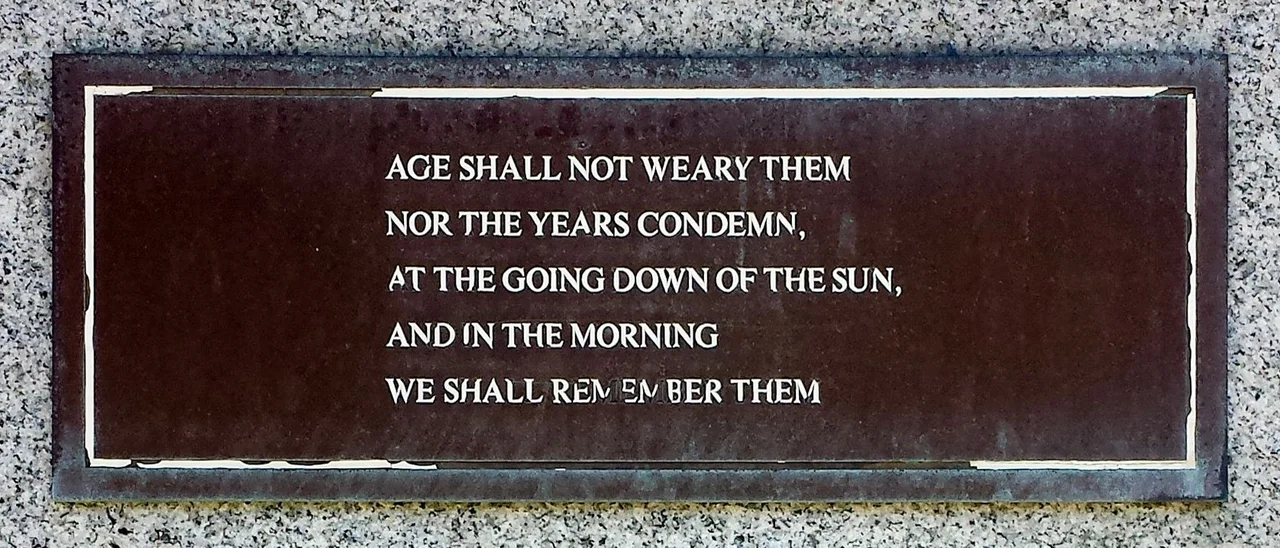
From the air, you can still make out the outline of the wartime airfield. The east-west runway is broken concrete now, mostly grass. The flying club's grass strip parallels it. The hangar where the Bloodhound club uses light aircraft was once the place Beaufighters were patched between sorties. Walk the perimeter and the dispersal bays show themselves in subtle changes of vegetation - the kind of marks an airfield leaves on the land that no number of agricultural ploughings ever quite erases. At Cleethorpes there is a RAF memorial that lists some of the men who flew from here. The names are a small fraction of the two hundred and forty-one. The Strike Wing tactics that they helped develop were, in the end, decisive against German coastal traffic in 1944 and 1945. But the cost was paid here first, on 20 November 1942, when the weather was bad and the Focke-Wulfs were waiting.
From the Air
RAF North Coates sits at 53.50°N, 0.07°E on the Lincolnshire coast, about six miles south-east of Cleethorpes and close to the mouth of the Humber Estuary. Recommended viewing altitude is 1,500-2,500 feet AGL to trace the wartime runway and the current flying club grass strip. The North Coates Flying Club operates from the surviving hangar - check for circuit activity. Nearest airports are Humberside (EGNJ) to the north-west and RAF Coningsby (EGXC) to the south-west. Watch for the active RAF Donna Nook bombing range immediately south - check NOTAMs. Best light is mid-morning easterly, when the long shadows pick out the dispersal bays and runway outlines.
Nearby Stories
- Westermost Rough Wind Farm 2.5 km away
- Silver Pit 5.4 km away
- Beverley Minster 7.4 km away
- Lincoln Cathedral 13 km away
- 2004 Ingoldmells Bus Crash 14 km away
- Humber Bridge 21 km away
- Holkham National Nature Reserve 33 km away
- SMS Blucher 333 km away