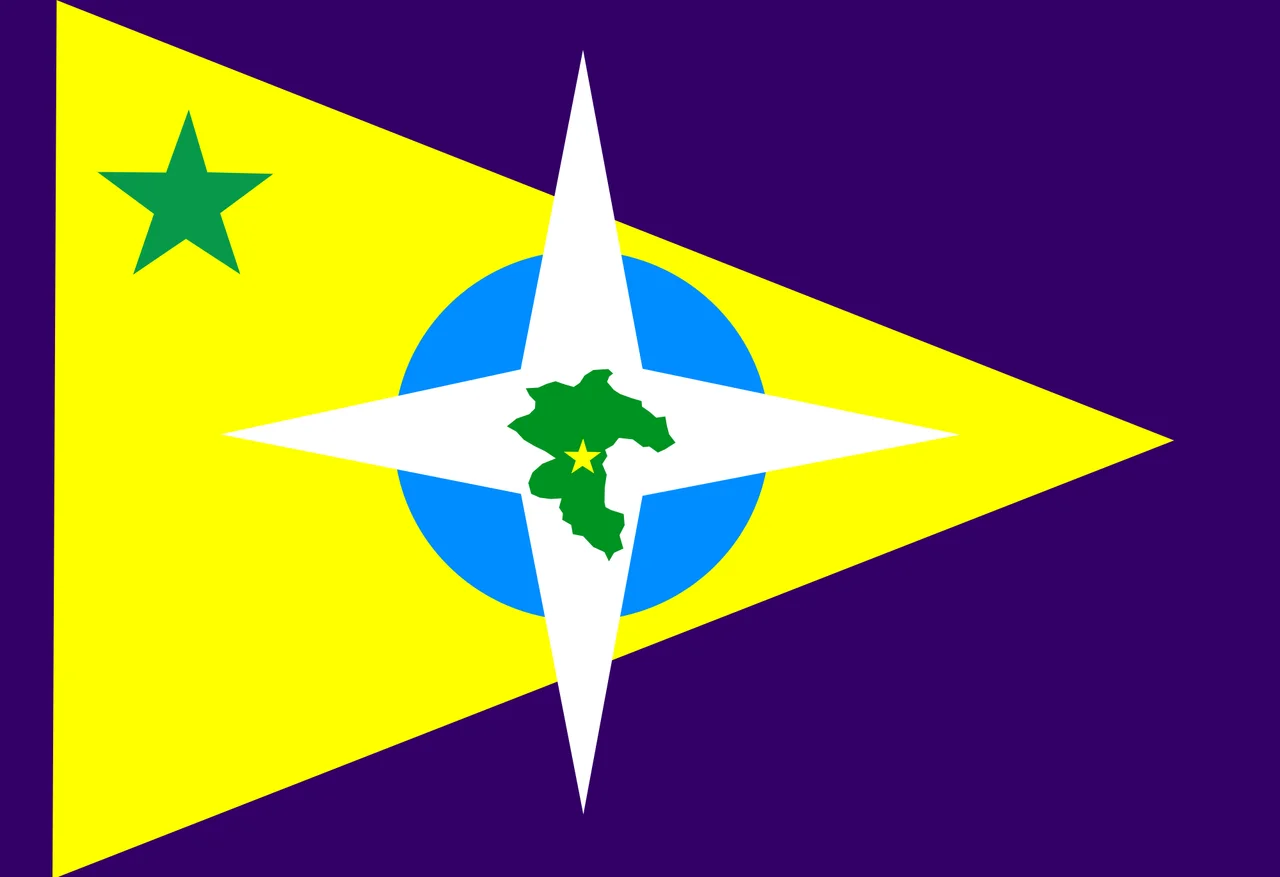

Silvânia
In 1774 a small group of miners pushed inland from Santa Luzia - the gold-rush settlement now called Luziânia - and found color in the streams of what is today southcentral Goiás. They were not the first to come looking. The bandeirante expeditions had been probing these cerrado uplands for generations, trailed by the enslaved laborers who did the actual work of sluicing gravel and breaking rock. What made this spot different is that these particular miners stayed. They carried with them a statue of Nosso Senhor do Bonfim - Our Lord of the Good End - and they named their settlement after him. Bonfim survived as a village, a town, and eventually a municipality for nearly 170 years before a rename.
Bonfim Becomes Silvânia
The rename came in 1943, during the Vargas years, when Brazil was reshuffling its political geography. The new name honored Vicente Miguel da Silva, a local figure whose family had become important in regional affairs. Thousands of Brazilian towns were renamed in this period - dropping saints, dropping duplicates, dropping names the federal government considered too small for a modern republic. Bonfim became Silvânia, and the rename stuck. Over subsequent decades Silvânia shed municipalities of its own: Vianópolis, Leopoldo de Bulhões, São Miguel do Passa Quatro, Gameleira de Goiás all split off, leaving Silvânia smaller in area but with its colonial center intact.
The Old Pits
The gold never left the place entirely. Outside town, in the scrub and pasture, there are still the old workings - Roda, Batatal, Caixão, Coração, das Moças, das Velhas. Pits named for the women who panned them, pits named for the shapes they cut into hillsides, pits named for the heart they broke in the men who dug them out. The gold that came from these small operations funded churches, stone houses, the original city blocks that still anchor the center of modern Silvânia. Walking those streets, the 18th century is not a museum exhibit but the building you are standing next to: colonial-era monuments, century-old houses, fragments of the bandeirante and African-descended communities who built and populated the place.
Soybeans and Schools
Modern Silvânia runs on soybeans. The 2006 census recorded 50,000 hectares planted in them, against 3,180 hectares of corn and smaller allocations of coffee, sugarcane, and tomatoes. Dairy cattle matter too - 26,500 milk cows out of a total herd of 104,300 head - and brick-making continues to supply Goiânia and Brasília. Education has been a local point of pride going back generations. Two of the most respected schools in 20th-century Goiás, Instituto Auxiliadora and Ginásio Anchieta, were based in Silvânia, and the state university system maintains a unit here. The adult literacy rate in 2000 was 88 percent, well above the national average.
The Geography of the Old Road
Silvânia sits 77 kilometers from Goiânia, 180 kilometers from Brasília, and 65 kilometers from Anápolis. The highways that connect it - GO-330, GO-010, GO-139, GO-437 - trace older paths, some of which go back to the gold-rush trails that brought the miners in the first place. The climate is tropical humid, averaging 23 degrees Celsius, with 1,750 millimeters of rainfall each year. The cerrado savanna that once covered this entire plateau has been mostly converted to soybean fields and pasture, but patches remain: 34,000 hectares of woodland and forest inside the municipal boundaries, enough to give a sense of what the bandeirantes and the miners would have faced when they first came crunching through the dry grass looking for color in the streams.
From the Air
Located at 16.66°S, 48.61°W in southcentral Goiás state, Brazil. At cruising altitude, the surrounding landscape reads as the classic cerrado-converted-to-soybean pattern - large geometric fields interspersed with pasture and fragments of forest. The town center is compact, visible from the air as a small grid with a cathedral-centered plaza. Nearest major airports: Goiânia/Santa Genoveva (SBGO, 77 km west); Brasília (SBBR, 180 km northeast).
Nearby Stories
- Goiânia accident 8.5 km away
- Luziânia 25 km away
- Anápolis 28 km away
- Orizona 46 km away
- Cristalina 61 km away
- Jaraguá, Goiás 67 km away
- Ipameri 94 km away
- Goiatuba 127 km away