
Sixmilebridge
The name is a translation problem. Six Irish miles from Limerick, said the traveller Thomas Dineley in 1681, and the bridge took its English name from that distance. An Irish mile was about two kilometres, so the original measurement comes out to twelve kilometres - close enough, but not what you would call a brand. Locals just say 'the Bridge.' The village sits on the Owen O'Garney River in County Clare, halfway between Ennis and Limerick, the kind of place where Bronze Age ringforts and a Bridge United football club share the same parish records.
Cappagh, Ballyarilla, Sixmilebridge
Long before it was the Bridge, the west bank was Cappagh - an anglicising of an Irish word for cultivated field - and the east bank was Ballyarilla, named for a castle that stood there before Mount Ievers Court replaced it. The ancient name of the river was Raite, today anglicised to Ratty as it runs past Bunratty Castle into the Shannon Estuary. Local lords came and went: the O'Garneys probably first, then the McNamaras and the O'Briens under the Lordship of Thomond. In the thirteenth-century Wars of Turlough, Lochlainn MacNamara and his nephew were lured to Bunratty Castle under safe conduct by the Norman De Clares, then marched to Coolmeen Lake in the hills east of Sixmilebridge and executed there. The lake has carried a sinister reputation ever since - monstrous eels, witch-hares, bottomless pits, the inventory of grievance that small communities accumulate.
The Duel
By the late seventeenth century Dutch settlers had recognised the O'Garney River as good milling water, and the village industrialised. That ended when Henry D'Esterre built a toll bridge across the river - good for his bank account, terrible for trade with Holland. The toll bridge is still standing. In February 1815 it became, by local tradition, the trigger for one of Ireland's most famous duels. Daniel O'Connell, the Liberator, the man who would later force Catholic Emancipation through the British Parliament, refused to pay D'Esterre's toll. A D'Esterre - John Norcot D'Esterre - challenged O'Connell to a duel. They met in February at Bishopscourt in Kildare. O'Connell shot D'Esterre, who died of his wounds. The conventional account places the dispute over political insult rather than tolls, but in Sixmilebridge the toll-bridge version is the one that survives. The bridge is still there. So is the toll's victim, in spirit.
The Massacre at the Ballot
On 22 July 1852, eight soldiers of the 31st Regiment escorted eighteen tenants of the Marquess of Conyngham to Sixmilebridge to vote for Colonel Vandeleur, a Conservative candidate opposed to tenants' rights. A crowd gathered near the ballot office. Two Catholic priests were among them. An affray broke out between protesters and voters' party. Without the Riot Act being read, the soldiers opened fire. Six people died at the scene. Eight were wounded. One of the wounded died later. At the coroner's inquest the jury returned a verdict of murder; the Attorney-General for Ireland overturned it. The affair was debated at Westminster, where Conservative members called for the priests to be prosecuted for incitement. No soldier was punished. The bitterness lingered for generations - a small Clare village briefly held up as evidence of how the political contest worked in nineteenth-century Ireland, which is to say not very well, and not for everybody.
Hurling, Ducks, and a Reopened Line
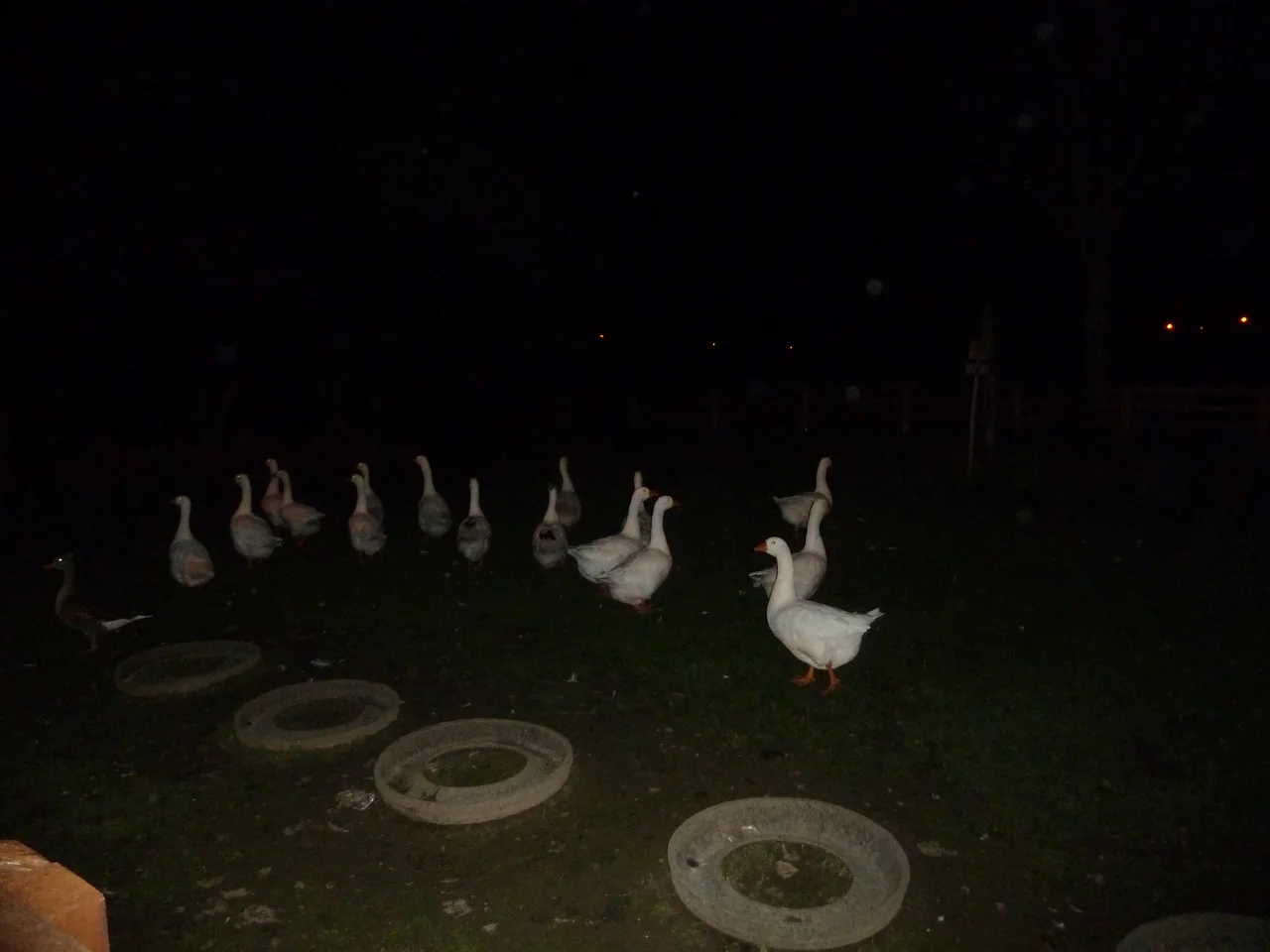
Sixmilebridge GAA was founded in 1904, initially for Gaelic football, but hurling is the game the village is now known for. On St Patrick's Day in 1996 the club became the first team from Clare to win the All-Ireland Senior Club Hurling Championship - the kind of result that gets remembered through generations of pub conversation. The local soccer club, Bridge United AFC, was founded in 1967 and has taken the Clare and District Soccer League Premier Division title three times. Down by the O'Garney River sits a decorated floating raft known as the 'duck inn', housing the village's resident duck population through winter, with painted walls and glass windows - a tourist trail attraction that takes itself slightly less seriously than the hurling. The railway station, opened on 17 January 1859, closed in 1963 when the line shut. It reopened on 29 March 2010 as part of the Western Rail Corridor revival - trains running again on tracks the village had assumed were finished with.
From the Air
Sixmilebridge sits at 52.74 N, 8.77 W in County Clare, on the Owen O'Garney River about twelve kilometres south-east of Ennis and twelve kilometres north-west of Limerick. Shannon Airport (EINN) is roughly 8 km south-west - close enough that aircraft on approach pass over the area routinely. Visual landmark: the village's compact street pattern around the river crossing, with the railway line of the Western Rail Corridor passing through. Bunratty Castle and the broad Shannon estuary lie to the south, the limestone uplands of Clare rising to the north. Best viewed in clear weather on approach to or departure from Shannon.
Nearby Stories
- 2003 Derrybrien Landslide 0.8 km away
- Croom Castle 8.6 km away
- The Burren 9.7 km away
- Birr Castle 11 km away
- Bansha 12 km away
- Cloughjordan 14 km away
- Ennistymon 17 km away
- Abbeyfeale 23 km away