
Tiradentes
On weekend mornings a coal-black steam locomotive pulls out of São João del Rei and climbs the 14 kilometers to Tiradentes, trailing smoke through the Serra de São José. The maria-fumaça - the smoke-breather - leaves the larger city twice a day in high vintage style and deposits passengers in a colonial town of roughly 6,000 that looks very much the way it did 300 years ago. The cobblestones are original. The Matriz church is heavy with gold. The hills beyond are the same hills the bandeirantes climbed looking for wealth. Tiradentes held onto its colonial bones better than almost anywhere else in Brazil.
A Name That Carries Weight
Tiradentes takes its name from Joaquim José da Silva Xavier, called Tiradentes - tooth-puller - a dentist, militia officer, and revolutionary who led the Inconfidência Mineira, the 1789 conspiracy against Portuguese colonial rule that aimed for Brazilian independence. He was betrayed, arrested, and executed in Rio de Janeiro in 1792, his body dismembered and pieces displayed as warning along the roads to Minas Gerais. The independence movement failed. The name attached itself to the town in Minas Gerais that had been called Arraial da Ponta do Morro and before that São José, a reminder that independence had martyrs before it had a country. The day of his execution - 21 April - is now a Brazilian national holiday.
The Church That Glitters
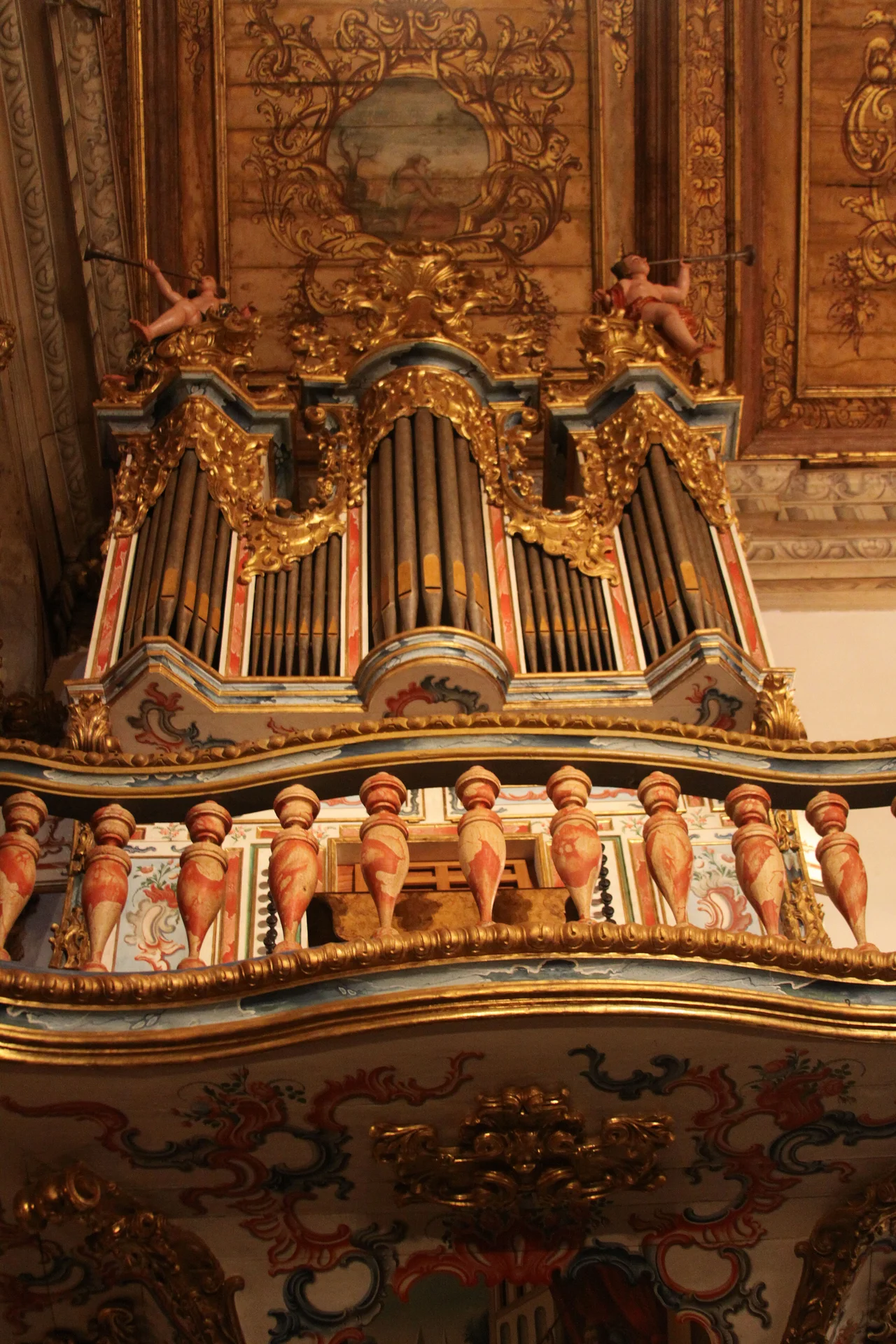
The Matriz de Santo Antônio, Tiradentes's main church, is one of the gold-rich baroque masterpieces of colonial Minas Gerais. Gilded carvings cover the altars and ceilings, the residue of a century when the hills around this town produced extraordinary quantities of gold and churches were the preferred monuments of that wealth. The pipe organ is one of the oldest in Brazil. The interior gleams with the particular Brazilian baroque blend of Portuguese stonework and local inventiveness. Slave labor built much of what visitors now admire - the gold that lines these walls was mined by enslaved Africans under conditions that coastal Brazil preferred not to discuss. The church holds that history too, for anyone inclined to see beyond the glitter.
Walking the Old Town
Tiradentes is compact enough to explore entirely on foot - the best way, given that cobblestones older than the United States are unkind to wheels and to mobility-impaired visitors alike. Carriage tours leave the Largo das Forras square and the train station, ferrying four passengers at a time on one-hour circuits of the main attractions. Museums, churches, and the old Town Council Hall anchor the urban fabric. Craft shops sell regional specialties, though the sharper prices are in Bichinho, a craft village separated from town by a narrow seven-kilometer dirt road where the artisans live and work directly. Expect to negotiate.
Food, Festival, and Cachaça
Tiradentes holds an annual food and cultural festival in August that fills the pousadas and draws chefs and food lovers from across Brazil. Regional Minas Gerais cuisine - tutu, feijão tropeiro, pão de queijo - shares the menus with modern experiments. Bars cluster around Largo das Forras. Bottles of quality Brazilian cachaça line shop shelves all over town, ready to be taken home or sampled over a leisurely afternoon. The town runs on weekend tourism and holiday crowds; New Year, Carnaval, and Holy Week fill every room. Many visitors sleep in nearby São João del Rei, which is larger, cheaper, and less aggressively touristic - but they miss the evening hush when the day-trippers leave and Tiradentes settles back into its colonial silence.
Serra de São José
The mountains north of town offer trekking for anyone ready to leave the cobblestones behind. The Serra de São José climbs above the old colonial highway that once carried gold from the interior mines to the coast, and the paths that thread through it still bear traces of that traffic - stone ruins, old bridges, mule tracks worn into bedrock. Views sweep south over the red-tile roofs of Tiradentes and the pastured valleys beyond. Cachoeiras hide in the folds. The trekking can be arranged locally; the guides know which routes are pleasant walks and which require a full day with proper boots. Returning to town at dusk, descending the mountain into the hush of the old streets, is one of the most memorable experiences Tiradentes offers.
From Above
Tiradentes sits at 21.11°S in a valley of the Espinhaço-aligned highlands, 215 kilometers from Belo Horizonte and 325 from Rio de Janeiro. From cruising altitude the town reads as a compact cluster of red-tile roofs pressed against the southern flank of the Serra de São José, with São João del Rei visible as a larger urban presence 14 kilometers to the west. The colonial grid is small enough to fit inside the footprint of a modern shopping center, which is part of why it has survived. Industrial scale never wanted it. Time, instead, has been gentle here.
From the Air
Located at 21.11°S, 44.18°W in the Minas Gerais highlands, 215 km south of Belo Horizonte. Recommended viewing altitude 5,000-10,000 ft. Visual landmarks: Serra de São José rising north of town; the old town's compact red-tiled grid is distinctive; São João del Rei 14 km west is the larger urban reference. Nearest airports: Belo Horizonte Confins (SBCF) 200 km north, São João del Rei municipal (SNJR) nearby. Weather: mild highland climate; dry-season mornings (May-September) offer cleanest views.
Nearby Stories
- Santos Dumont, Minas Gerais 4.5 km away
- Our Lady of the Rosary Church, Lavras 37 km away
- Ibitipoca State Park 38 km away
- Inconfidência Mineira 58 km away
- Crucilandia 64 km away
- Ubá 68 km away
- Três Corações 69 km away
- São Gonçalo do Pará 106 km away