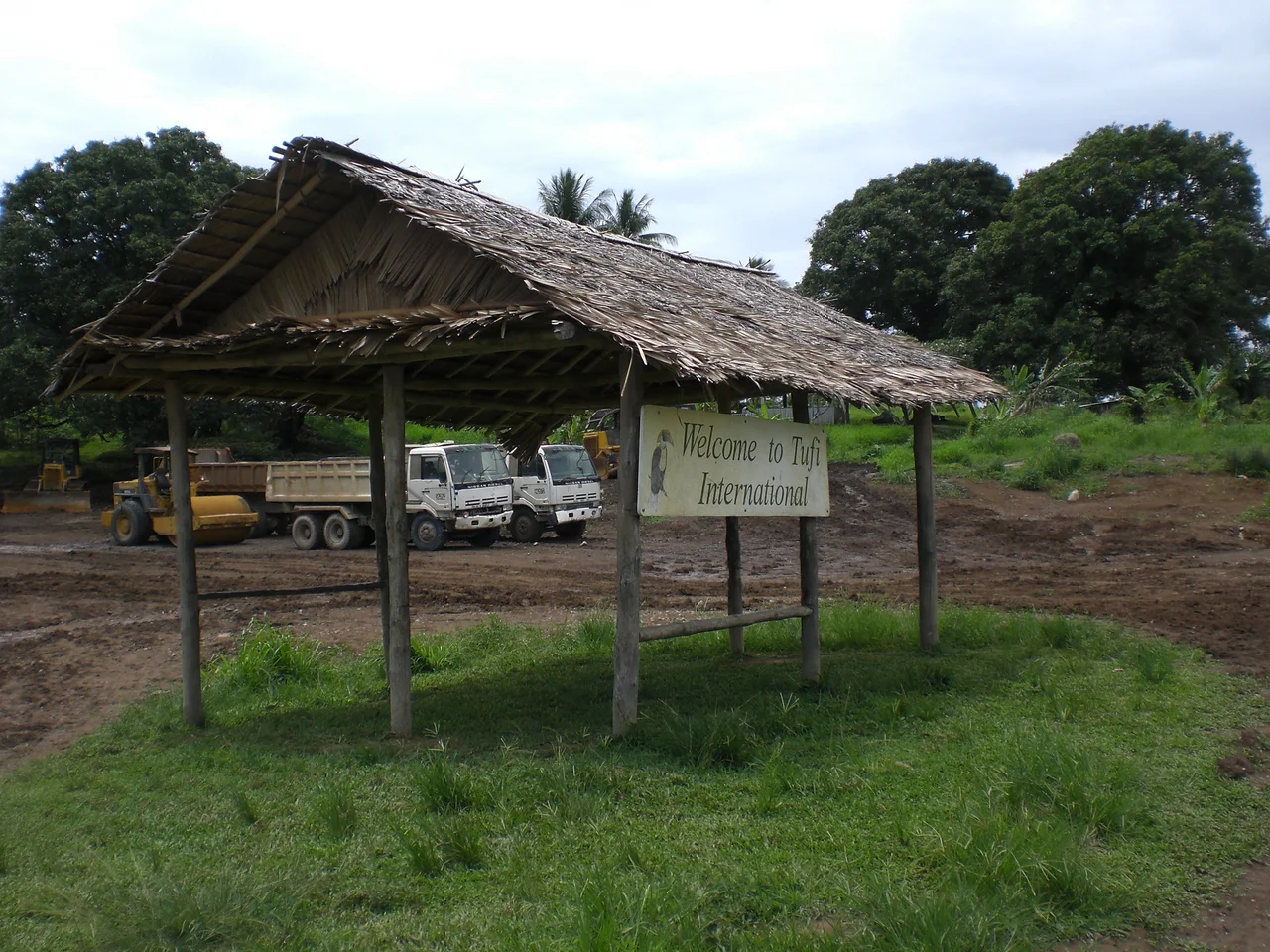

Tufi
The word fjord suggests Norway, not the tropics, but here on the Cape Nelson peninsula of Papua New Guinea the sea has flooded a series of long volcanic valleys, and the result is a coastline that behaves like no other in the country. The inlets are narrow. The water runs 90 meters deep. The walls rise 150 meters from the surface, vertical and furred with moss and orchids. And above the fjords, tucked onto a plateau, sits Tufi - a small town that most Papua New Guineans know from an airline schedule and that most outside visitors reach only by boat. The air here smells of wet forest and salt water. The sound is surf somewhere far below the cliff edge, and the squawk of birds in the canopy just behind you.
Fjords in a Warm Sea
The fjords of Tufi are not glacial like their northern namesakes. They are rias - drowned valleys, carved by freshwater rivers and rain on the flanks of ancient volcanoes, then flooded when the sea rose. The effect is the same, though: narrow sheltered waterways with water deep enough for ships, walls steep enough to defeat any hiker, and a strange hush that comes from being in what feels like a narrow tropical canyon. Kayaks work beautifully here. A paddler can hug a cliff that drops straight into 90 meters of water, drift under orchids blooming in the shade, and hear nothing but the knock of a hornbill somewhere up the slope. The fjords run for kilometers inland, their upper ends tangled with mangrove, their lower reaches opening to a coast that faces the Solomon Sea.
The Cloth They Make Here
Tufi's other name in the region is tapa country. Tapa is bark cloth, made from the inner bark of the paper mulberry tree - soaked, beaten flat on a wooden anvil, worked until it becomes a sheet that can be painted and folded and worn. The craft exists across Oceania, in Tonga and Samoa and Fiji, but Tufi makes less of it than those islands and the local designs are distinctive: bold linework in soil-black and bark-rust, geometric and meaningful to the people who paint them. The makers are mostly women who work under shaded verandas, beating bark with wooden mallets in a percussive rhythm that has not changed in generations. A single piece takes days. Buying tapa in Tufi is buying a limited product - the kind of cloth that wealthy collectors in the main Pacific capitals know to look for and that a curious visitor can take home as a textile with a specific origin story.
The Wrecks Below
In March 1943, two American PT boats slipped beneath the water off Tufi and never came back up. They had been operating from a temporary base here during the Allied push up the New Guinea coast - small, fast torpedo boats built for hit-and-run strikes against Japanese shipping. How they sank is a matter of operational records, but the boats themselves are now one of the region's signature dive sites: twin wrecks lying in the warm clear water where the coast meets the Solomon Sea, colonized by soft coral and schools of reef fish. Fifteen kilometers southeast of Tufi, Cyclone Reef offers the other dive draw - a steep wall alive with pelagics and the dense biodiversity for which the Coral Triangle is justly famous. Seas are best between October and mid-June. In the wet season the same waters can go from glass-calm to churning in the span of an afternoon squall.
The Forest Above the Cliffs
Behind Tufi the ground climbs through rainforest thick enough that paths are cut by feet rather than machines. Somewhere in this forest - increasingly rarely - flies the Queen Alexandra's birdwing, the largest butterfly in the world, with a wingspan that can reach thirty centimeters in the female. The species is endangered. Habitat loss and the illegal trade in specimens have pushed it toward the edge, and seeing one now is a matter of luck and stillness in the right kind of clearing. Other species are more forthcoming: hornbills clattering through the canopy, parrots arguing in the treetops, the occasional cassowary trail. The forest produces the mulberry trees that feed the tapa industry and the tropical hardwoods that villages shape into canoes. The same forest drops waterfalls over the fjord walls in the wet season, white ribbons against the dark stone.
Staying in the Villages
The Tufi Resort sits on the edge of a fjord, its main building blending traditional Papua New Guinean architecture with a modern Australian veranda style, the dining room open to views that do most of the hospitality work on their own. The resort is also the gateway to something rarer: guest house stays in the coastal villages, where a visitor sleeps in a bilum-hung room, eats from the same garden that feeds the family, and wakes to a village morning rather than a hotel one. Getting here is part of the story. PNG Air flies twice a week from Port Moresby, a short flight over mountains and coast that ends with a tight approach into the small plateau airstrip. A weekly ferry from Popondetta and Lae offers a cheaper and less reliable alternative. Ecotourism Melanesia, based in the capital, packages the journeys for those who prefer arrangements made in advance. However you arrive, the first view of the fjords does what words cannot.
From the Air
Located at 9.08 degrees south, 149.32 degrees east, on the Cape Nelson peninsula of Papua New Guinea's northeast coast. Tufi Airport (ICAO AYTU) sits on a plateau above the fjord country - a short, challenging airstrip that requires a precise approach between ridgelines. Recommended viewing altitude 3,000 to 6,000 feet to appreciate the long fjord inlets cutting inland, their distinctive finger-like pattern unmistakable from above. Port Moresby (ICAO AYPY) lies roughly 200 nautical miles to the southwest. The Owen Stanley Range rises to the west. Expect strong afternoon convective activity over the ridges inland; coastal weather is most reliable in the drier months of June through October.
Nearby Stories
- Kokoda Track 35 km away
- Dobodura Airfield Complex 41 km away
- Battle of Goodenough Island 55 km away
- Invasion of Buna–Gona 59 km away
- Goodenough Island 65 km away
- Japanese Submarine Ro-103 120 km away
- Ss Peter and Paul Cathedral, Dogura 126 km away
- Trobriand Islands 178 km away