
1997-98 UEFA Champions League
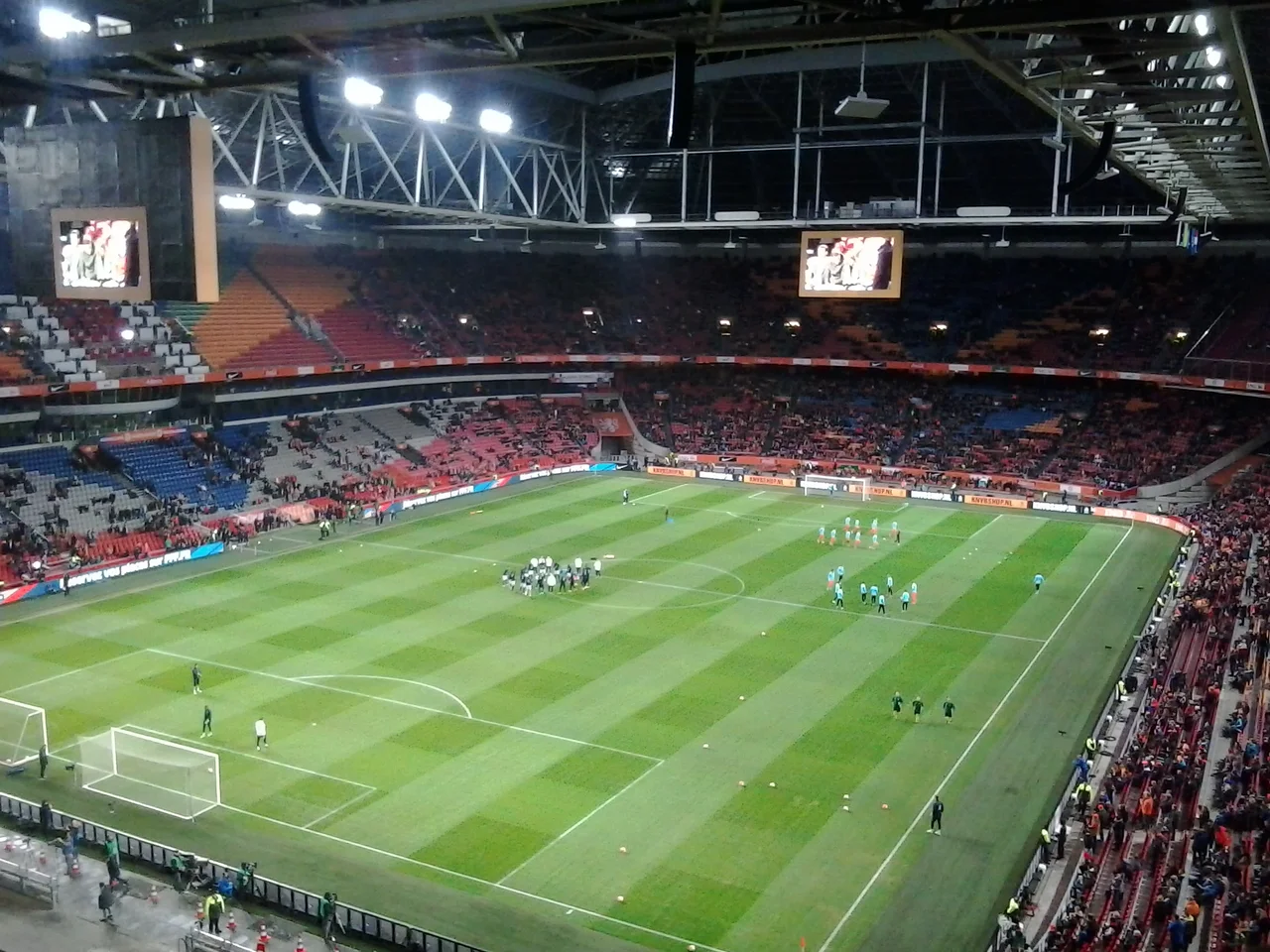
On 20 May 1998, in Amsterdam Arena, with the score 0-0 and 66 minutes gone, a Montenegrin forward named Predrag Mijatović collected a flick from Roberto Carlos and tucked the ball under Angelo Peruzzi's body. The Juventus goalkeeper got a hand to it. The ball rolled in anyway, slowly, almost unwilling, and Real Madrid had ended a thirty-two-year wait for the trophy their identity was built on. Juventus were playing in their third consecutive Champions League final. They lost it 1-0 to a club that had not won Europe's top prize since 1966, three years before Mijatović was born.
A Tournament Redrawn
The 43rd European Cup was the sixth under the Champions League name, and UEFA kept tinkering. For the first time the competition expanded to six groups instead of four, forcing the runners-up of eight domestic leagues into the draw and bringing back the champions of smaller nations who had been pushed into the UEFA Cup for three years. Germany became the first association to send three teams, because Borussia Dortmund held the trophy but finished only third in the Bundesliga. Armenia, Azerbaijan, Slovakia, and the Republic of Macedonia entered their champions for the first time. Yugoslavia returned after the lifting of UN sanctions that had kept them out since 1991-92. Football was reopening to its full continent.
The Long Wait
Real Madrid had won the European Cup six times by 1966, more than anyone, and the trophy was woven into the club's mythology. Then it stopped. Generations of fixtures passed - Cruyff at Ajax, Liverpool's English run, Milan's Sacchi years - while Madrid won La Liga and lost in Europe. By 1998 the drought had hardened into something the club's older fans no longer expected to see end. The squad assembled by coach Jupp Heynckes mixed Spanish core with global imports - Roberto Carlos and Raúl, Davor Šuker, Clarence Seedorf, Fernando Hierro. They had finished fourth in La Liga that season. Almost no one picked them as favorites to lift the trophy.
Dortmund and the Semifinal
The defending champions Borussia Dortmund came into the semi-finals carrying the prestige of the previous year's title. Madrid eliminated them. Heynckes' team had survived a group containing Bayer Leverkusen and squeezed through quarter-final ties on the kind of narrow margins that look like luck until you win the trophy. The other semifinal saw Juventus dispatch Monaco. The Italians had reached three straight finals - winning the first in 1996 against Ajax, losing the second to Dortmund in 1997 - and arrived in Amsterdam expecting to put right what had gone wrong twelve months earlier.
The Goal
The final at Amsterdam Arena was tense and tactical, not the open showcase UEFA had hoped for. Madrid's central midfielder Clarence Seedorf later remembered the silence in the locker room at halftime - both teams scoreless, both convinced one mistake would decide it. The mistake came in the 66th minute. Roberto Carlos chased a long ball down the left, beat his marker, and slipped it across to Mijatović. The Montenegrin had been signed from Valencia the year before for a then-modest fee, arriving as a key attacking addition. He took one touch to control, looked up, and pushed it past Peruzzi from close range. Replays would show Mijatović a fraction offside, depending on how you read the lines. The goal stood. Juventus pressed. The clock ran out.
What Came After
The Seventh, as Madrid fans call it, started a run that defines modern European football. Real won again in 2000, again in 2002, and the club's institutional confidence - the assumption that the Champions League is somehow theirs to lose - dates from this night in Amsterdam. Juventus would not reach another final for nearly two decades. Mijatović scored only a handful more goals for Madrid before injuries pushed him into the wider game's memory as the man who delivered La Séptima. Košice of Slovakia, debutants in the group stage, had lost all six matches and finished pointless - the first team to do so. Sometimes a season makes history at the top of the table. Sometimes it makes history at the bottom too.
From the Air
The coordinates 51.14°N, 4.57°E place you over Lier, southeast of Antwerp - a Belgian fixture from a broader European story. For the actual venue: Amsterdam Arena (Johan Cruijff ArenA) sits at 52.31°N, 4.94°E, just south of Schiphol Airport (EHAM). View from 5,000 ft on a clear day shows the stadium's distinctive retractable roof against the Bijlmer high-rises. Best flown in late afternoon when the low sun catches the polder canals around the city. Madrid's Santiago Bernabéu - the spiritual home of Champions League history - sits at 40.45°N, 3.69°W.
Nearby Stories
- Hertogin Hedwigepolder 1.5 km away
- Eersel 4.3 km away
- County of Loon 5.4 km away
- Bosteels Brewery 5.8 km away
- Hoogstraten 8.2 km away
- Zonhoven 11 km away
- SWIFT 20 km away
- Battle of Steenkerque 22 km away