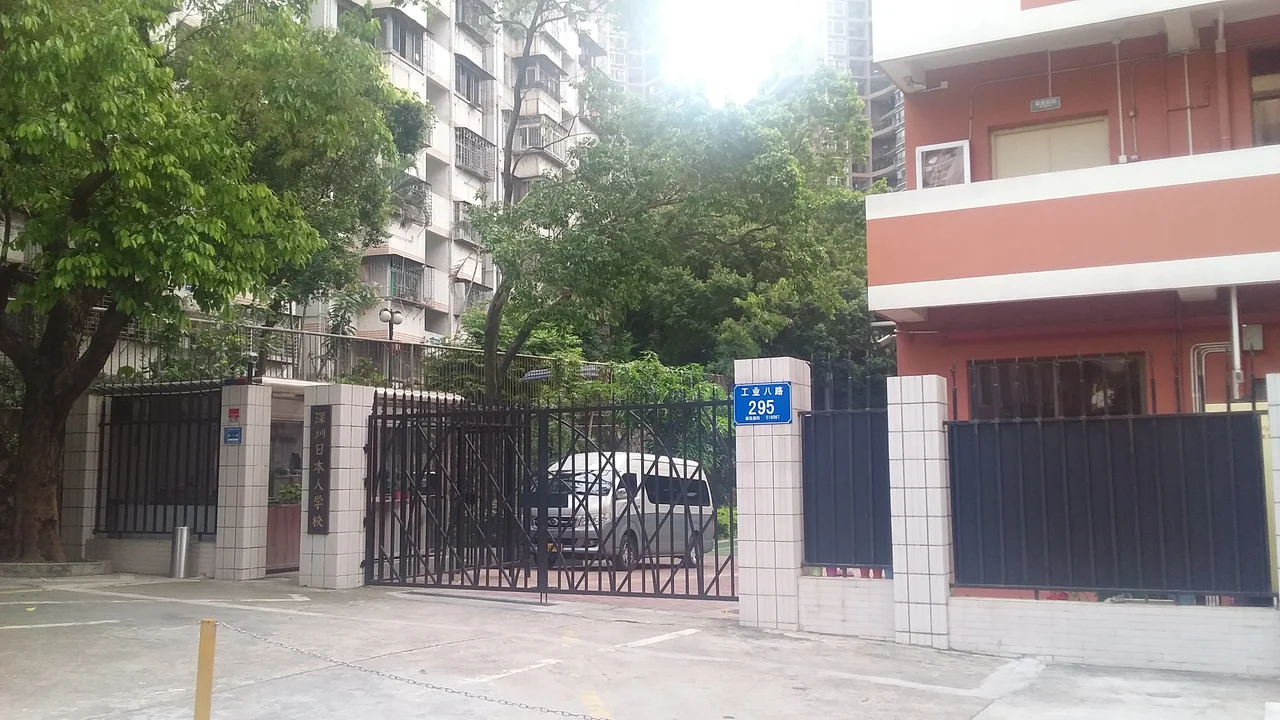

2024 Shenzhen Stabbing
A ten-year-old boy was walking to school in Shenzhen on the morning of 18 September 2024, accompanied by his mother. He was stabbed in the abdomen on a street 200 meters from the Shenzhen Japanese School. He died the next day from his injuries. His name, as reported by police, was Shen. He was ten years old.
What Happened
The attack occurred on a street near the Shenzhen Japanese School, which opened in 2008 to serve the children of Japanese families working in the city's technology sector. Shenzhen is home to many Japanese companies, and the school serves elementary and junior high students; parents often walked their children there together, as the school lies close to where many families live. A 44-year-old man surnamed Zhong, from Jiangxi province, approached the boy and stabbed him. He was arrested at the scene. Chinese officials determined that Zhong acted alone and characterized the incident as a sporadic attack. Zhong had a prior record: questioned by police in 2015 for allegedly damaging public property, and detained in 2019 for disturbing public order. The September 18 date carries historical significance as the anniversary of the 1931 Mukden Incident, which marked the beginning of Japan's military occupation of Manchuria — a date that carries weight in China's collective memory of that period.
The Grief That Followed
The day after the attack, Shenzhen residents laid flowers at the school gate and paid their respects. People came quietly. The boy had spent his short life in a city that his community had been part of for years, in a neighborhood where Japanese and Chinese families had lived side by side. A letter circulated online, reportedly written by the boy's father. It said that he did not hate China, and that he did not hate Japan, and that he wanted to prevent similar tragedies. The letter was removed from Chinese internet platforms by censors. Other voices appeared online — some expressing anguish, some denying the reality of what had happened, some saying things that were harder to read. The family's letter, in the brief time it existed publicly, said something different: that a father's grief had not curdled into hatred, and that he hoped it would not.
The Response
Japan's vice foreign minister summoned China's ambassador the same day. Japan's state minister for foreign affairs traveled to Beijing four days later. Japanese schools across China — in Shanghai, Guangzhou, Beijing, Hong Kong — increased security, cancelled extracurricular activities, and advised students and parents to reduce unnecessary outings. Panasonic allowed employees and their families in China to temporarily return to Japan at company expense. Toyota pledged to keep its Japanese staff informed and supported. These corporate and diplomatic responses pointed to something larger: a community of Japanese expatriates across China that had been shaken, and was recalibrating what safety meant in cities it had called home.
Justice and Its Limits
On 24 January 2025, Zhong — who had turned 45 — was sentenced to death by a Shenzhen court, which described his act as extremely malicious. He was executed in April 2025. Chinese authorities informed the Japanese Embassy of the execution. The facts of the case are documented. A child is gone. His father's letter, however briefly it circulated, asked that what happened to his son not become the seed of something worse — that grief not become fuel for the kind of anger that had already been burning at the edges of this story. Whether that wish has been honored is harder to measure than a court sentence.
From the Air
The attack occurred near the Shenzhen Japanese School in the Qianhai Shekou Free Trade Zone area of Shenzhen, at approximately 22.51°N, 113.91°E. Shenzhen lies along the Pearl River Estuary's eastern shore, directly north of Hong Kong. The nearest major airport is Shenzhen Bao'an International (ZGSZ), approximately 30 km northwest of the site. At altitude, Shenzhen's dense urban grid is visible against the estuary to the west and Hong Kong's hills to the south. The school district sits in the modern, high-rise western part of the city, developed as part of the Qianhai special economic zone.
Nearby Stories
- Hong Kong Disneyland 4.1 km away
- Mount Guanyin (Dongguan) 7 km away
- 2024 Lixinsha Bridge Collapse 7.4 km away
- Portas do Cerco 12 km away
- Lotus Hill 15 km away
- Nanxiong Formation 78 km away
- Heyuan 130 km away
- Checheng Fu'an Temple 629 km away