
Battle of Musgrove Mill
The fight took perhaps an hour. When it ended, sixty-three Loyalists lay dead and seventy more were prisoners. The Patriots had lost four killed and twelve wounded. The ratio was lopsided enough to be remembered in a war full of disasters - and on August 19, 1780, the Patriots needed something to remember. Three days earlier, General Horatio Gates had managed one of the great American military catastrophes at Camden, scattering a Continental army that was supposed to liberate the South. What happened on a ridge above a ford of the Enoree River that August morning didn't undo Camden. But it proved the backcountry could not be held by the Loyalists, even when the British appeared to be winning everywhere else.
A Civil War in the Backcountry
By summer 1780, the war in upcountry South Carolina had become something more bitter than a colonial revolt. Few men on either side had ever seen Britain. Neighbors were killing neighbors. Backcountry fighting tended toward the brutal and the retaliatory, with prisoners shot, homes burned, and families uprooted on grounds of loyalty alone. Two hundred mounted partisans under colonels Isaac Shelby, James Williams and Elijah Clarke rode toward Musgrove's Mill on the evening of August 18, planning to surprise a Loyalist garrison of roughly equal size. The mill controlled the local grain supply and guarded the Enoree ford. It was the kind of target backcountry partisans handled well.
The Plan Changes
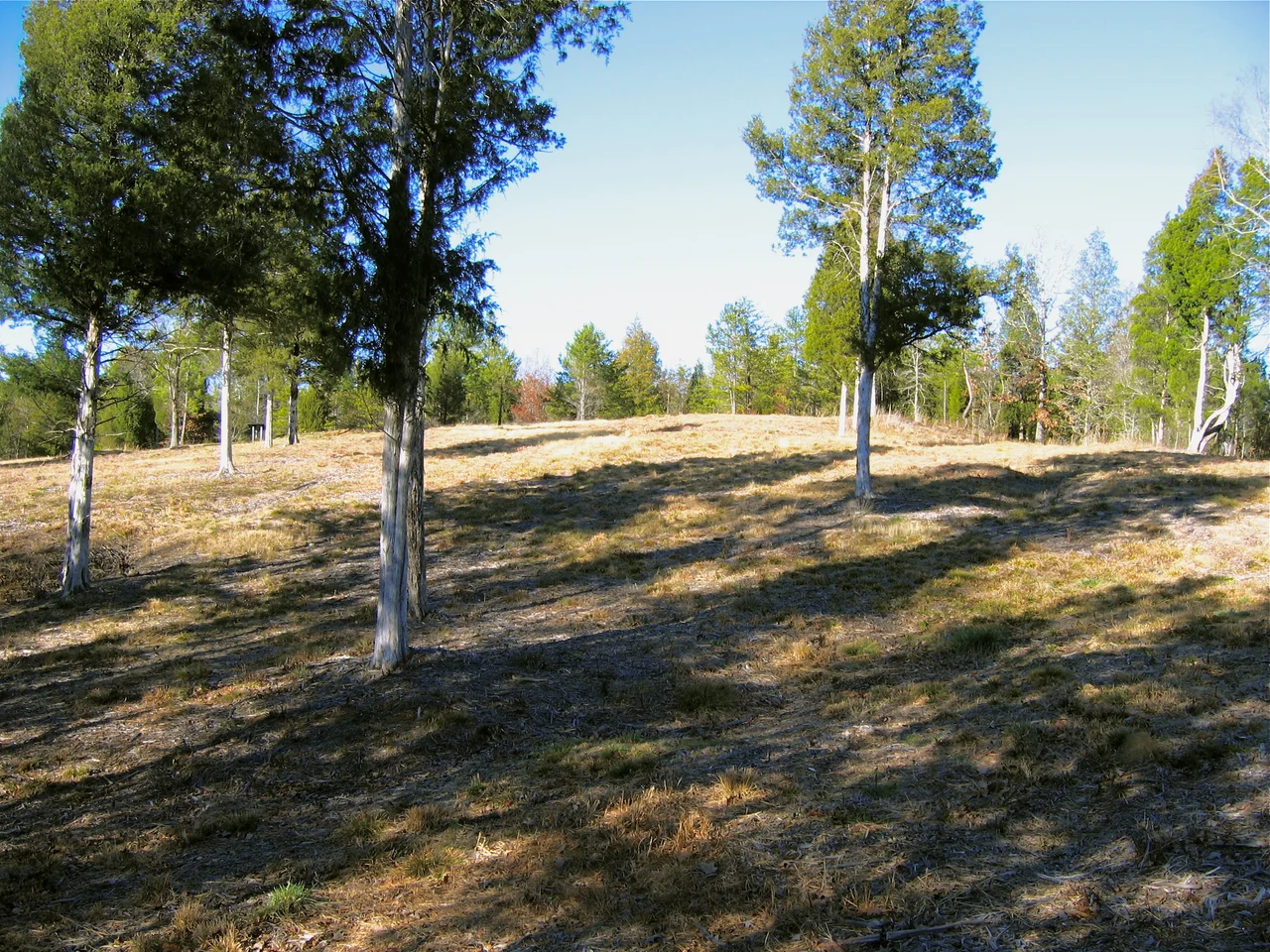
A local farmer rode in with bad news. The Tories at Musgrove had just been reinforced with about 100 Loyalist militia and 200 provincial regulars - the South Carolina Royalists, New Jersey Volunteers and DeLancey's Brigade, professionals trained and equipped as British regulars, on their way to join Major Patrick Ferguson. The Patriots were now outnumbered better than two to one. Their position had been compromised by an enemy patrol. Their horses were spent. They had to fight where they stood. On the ridge across the road leading down to the mill, they threw up a semicircular breastwork of brush and fallen timber, about 300 yards long. Captain Shadrach Inman took twenty men across the Enoree to bait the Loyalists into a charge.
The Hour
Inman's twenty engaged the enemy, feigned confusion, and retreated toward the ambush. The Loyalists followed. When they spotted the Patriot line they fired too early; the Patriots held until the Loyalists were within killing range of their muskets. The provincial regulars were professionals, and Major John Money led a bayonet charge that nearly broke the Patriot right - frontiersmen had no bayonets to answer with. Shelby threw in his reserve, the Overmountain Men from across the Appalachians, who came forward shrieking Indian war cries. The Tories wavered. Officers went down. Money fell. The Loyalist line broke and the Patriots pursued, 'yelling, shooting, and slashing on every hand.' Captain Inman, whose feigned retreat had set the trap, was killed on the field. His twenty men had won the battle before most of them realized it was on.
The Road to Kings Mountain
Shelby's force fled sixty miles with Ferguson in pursuit, then made it back over the Appalachians to the Watauga Association at Sycamore Shoals, in present-day Elizabethton, Tennessee. There, on September 25, 1780, Shelby, John Sevier and Charles McDowell mustered 600 Overmountain Men, joined by Colonel William Campbell's 400 Virginians. They crossed back over the mountains hunting Patrick Ferguson. They found him on October 7 at Kings Mountain, just up the road from Musgrove. The Loyalists lost everything that day - 160 killed, 760 captured - and the southern campaign began to swing back. Musgrove Mill was the small fight that connected Camden's disaster to Kings Mountain's redemption. The battlefield is preserved as the Musgrove Mill State Historic Site, and it sits on the National Register of Historic Places.
From the Air
Located at 34.59 degrees N, 81.85 degrees W on the Enoree River, near the convergence of Spartanburg, Laurens and Union county lines in South Carolina. Best viewed at 2,500-4,000 feet AGL. The Enoree River cuts a wooded valley clearly visible from altitude. Nearest airports: Laurens County (KLUX, 14 nm west), Spartanburg Downtown Memorial (KSPA, 22 nm north), Greenville-Spartanburg International (KGSP, 30 nm northwest). The state historic site visitor center sits off I-26 near Clinton.
Nearby Stories
- Huck's Defeat 7.5 km away
- Newberry Opera House 11 km away
- Bob Jones University Museum & Gallery 12 km away
- Battle of Great Cane Brake 14 km away
- Abbeville, South Carolina 15 km away
- Fairfield County, South Carolina 17 km away
- Spartanburg 23 km away
- Columbia Canal 32 km away