
Battle of North Walsham
On a summer day in 1381, a group of Norfolk men and women who had been fighting for their freedom for less than a fortnight gathered near North Walsham to face a heavily armed bishop with a reputation for violence. Geoffrey Litster, a dyer from the village of Felmingham who had risen to lead thousands in revolt, knew the odds. His followers were untrained. Henry le Despenser, Bishop of Norwich, was a soldier who had fought in Italy before taking holy orders. What followed was the last major battle of the Peasants' Revolt — and its most decisive defeat.
The Weight Behind the Rising
The revolt that reached Norfolk in June 1381 had been building for decades. The Black Death, arriving in England in 1348, killed enormous numbers of people and created an acute shortage of agricultural labour. Wages rose — and the powerful pushed back. The Statute of Labourers of 1351 was enacted to cap wages and bind workers to their lords, making life materially harder for the poor while protecting the wealth of landowners and the Church.
Poll taxes worsened the pressure. By 1381 the government had levied three in four years, the last tripling the rate of the first. The Anonimalle Chronicle recorded what the rebels said themselves: these were 'exceptionally severe' subsidies, 'extortionately levied from the poor people.' When the revolt ignited in Essex and Kent, it spread to Norfolk on 14 June 1381. Geoffrey Litster, moderately wealthy for a dyer but still a man without legal standing before the lords and bishops who governed the county, emerged as its leader. He was called the 'King of the Commons' — a title that says everything about what the rebels believed they were fighting for.
The Fighting Bishop
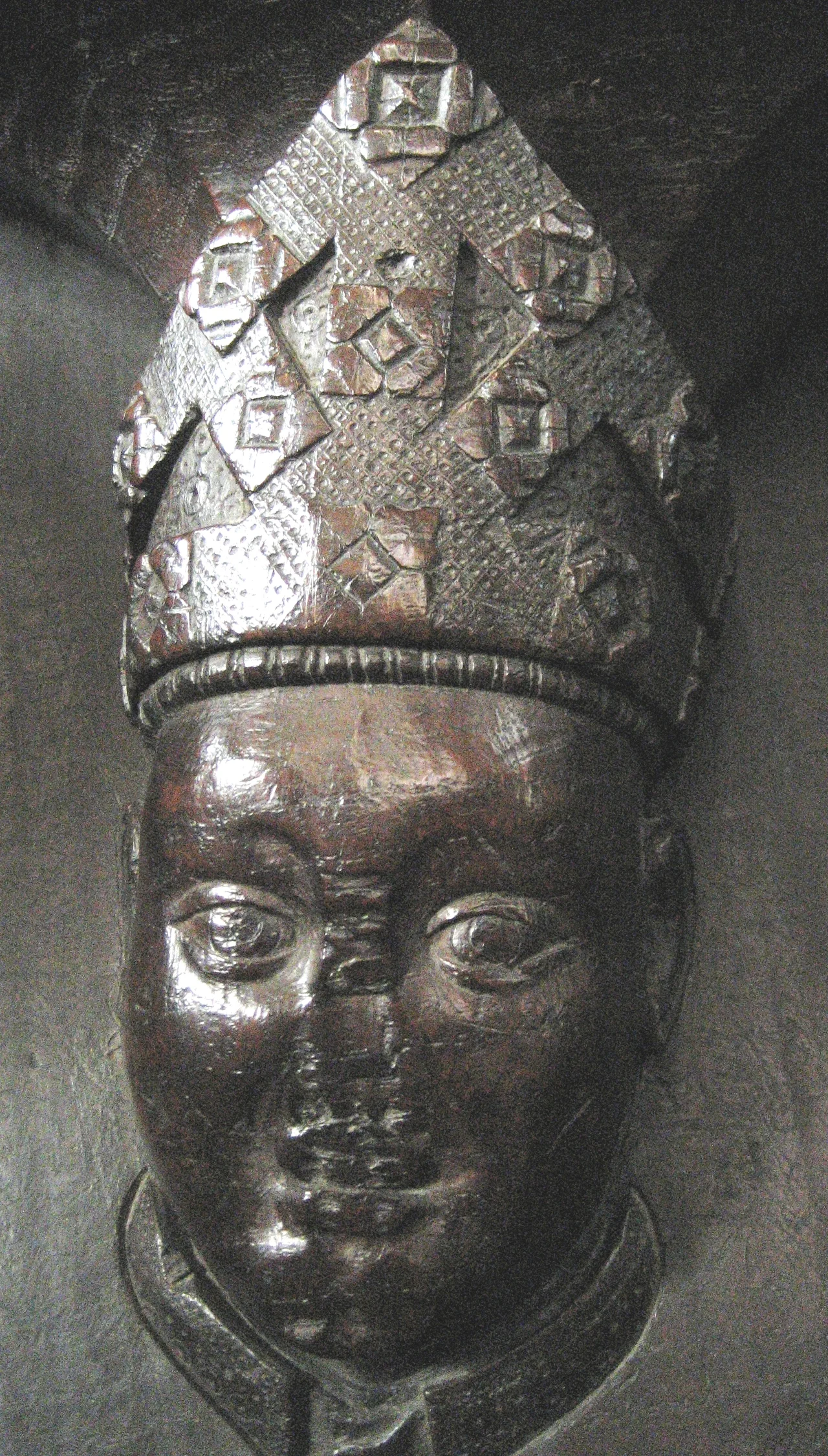
Henry le Despenser, born around 1341, had been Bishop of Norwich since 1370. He was not a contemplative man. He had served as a soldier in Italy before his ecclesiastical career and earned the nickname the 'Fighting Bishop' during his suppression of the Norfolk rebels in 1381. His force grew as he moved across East Anglia — aristocrats joined as they saw his victories and the harsh punishment he inflicted on those he captured.
At North Walsham, the confrontation was brief and lopsided. Litster's followers, whatever their numbers and determination, were outmatched by armoured, experienced fighters. Despenser's forces defeated them decisively. Litster was captured after the battle and executed at North Walsham shortly afterward. The revolt in Norfolk, which had lasted less than a fortnight, was over. Medieval chronicles disagree on the exact details of the battle and the fate of the rebel army, but on the central fact they agree: this was the end.
What Was Left Behind
Three medieval stone crosses were erected to commemorate the battle. One remains on private land. Another, now reduced to a stump, was relocated in 1932 by North Walsham Urban District Council and stands near the town's water towers. The third was moved and repurposed as a parish boundary marker on Heath Road, off Norwich Road.
In 1999, sculptor Mark Goldsworthy carved a memorial from the trunk of a 120-year-old oak tree and placed it in North Walsham's Memorial Park. The town sign carries a mosaic depicting the Peasants' Revolt. The battlefield is one of only five in Norfolk recognised by Norfolk County Council. What the rebels were trying to achieve — an end to serfdom, a check on the power of lords and bishops over ordinary working people — came, eventually, though not for generations and not because of this battle. Geoffrey Litster and those who followed him did not live to see it. The crosses mark where they were stopped.
From the Air
Located at 52.80°N, 1.37°E, on the southern edge of North Walsham in central Norfolk. The town is identifiable from the air by its church tower and town centre. The battlefield area lies southeast of the town centre. Norwich International Airport (EGSH) is approximately 20 km to the south-southeast. The flat Norfolk landscape allows good visibility of the town from 1,500–2,000 ft in clear conditions.
Nearby Stories
- Houghton Hall 3.1 km away
- Norfolk Tank Museum 7.5 km away
- Weeting Castle 11 km away
- Skegness Lifeboat Station 25 km away
- HMS Cobra 40 km away
- Battle of Lowestoft 79 km away
- SM U-97 101 km away
- Southern Bight 112 km away