
Bluff Cove Air Attacks
The men were waiting below decks, packed into a steel hull with no escort overhead, when the Skyhawks came in low over Port Pleasant. It was the middle of the afternoon on 8 June 1982, and the Welsh Guards aboard RFA Sir Galahad had spent six hours loading equipment while their captain begged to sail the mission another night. The concession he was given changed nothing. Three 500-pound bombs struck the ship in seconds. In the inferno that followed, 48 men died aboard the Galahad - and the photographs of survivors being winched from the burning vessel became the defining images of the Falklands War.
A Plan Built on Bad Luck
By the first week of June, Major General Jeremy Moore had the troops he needed to assault Stanley - but no way to move them. The container ship Atlantic Conveyor had been sunk weeks earlier, taking most of the British heavy-lift helicopters down with her. That left a single RAF Chinook to supply the entire advance. So when the Welsh Guards had to reach Bluff Cove, the only practical option was to ferry them by sea aboard two slow, lightly defended Royal Fleet Auxiliary ships crewed by civilian sailors: Sir Galahad and Sir Tristram. Each decision was reasonable on its own. Together they placed hundreds of soldiers in unarmoured ships, in daylight, within range of Argentine pilots who had spent the war proving how good they were.
Spotted from the Hills
The attack did not come by chance. Argentine commandos of 602 Commando Company had worked their way onto the high ground around Mount Harriet, and from there they saw the ships sitting at anchor off Fitzroy. They called it in. At Rio Gallegos and Rio Grande on the mainland, Skyhawks and Dagger fighters scrambled, while a separate flight flew a decoy mission to lure away the British Sea Harriers and an Argentine destroyer jammed the Royal Navy's radio frequencies. A British nuclear submarine on patrol actually tracked the Daggers as they took off - but the warning never reached the men at Bluff Cove. The aircraft that mattered slipped through. Brigadier Julian Thompson later put it bluntly: the newly arrived 5 Brigade had not yet seen the Argentine Air Force work. Bad weather had kept the skies empty for five days, and the troops had no idea how deadly those pilots could be.
Fourteen Hundred Hours
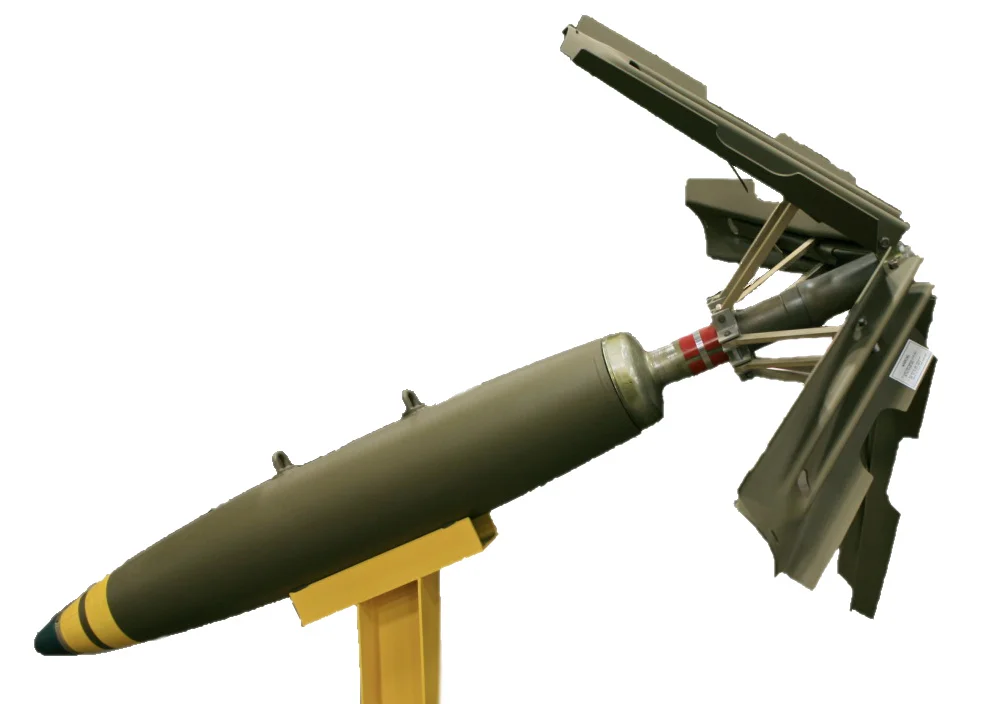
At around two in the afternoon, five A-4 Skyhawks of Grupo 5 fell on the anchorage. Three targeted Sir Galahad; the bombs released by First Lieutenant Carlos Cachon found their mark. The ship erupted. Of the 48 men killed aboard her, 32 were Welsh Guardsmen, eleven were other army personnel, and five were her own crew - the worst single loss of British life in the entire war, roughly a fifth of all British deaths in the Falklands. Sir Tristram was hit too, and hours later a second wave sank a landing craft in Choiseul Sound, killing six more men, among them Colour Sergeant Brian Johnston and Sergeant R. J. Rotherham. This time the Sea Harriers were waiting. Three Skyhawks were shot down, and three young Argentine pilots - Danilo Bolzan, Juan Arraras, and Alfredo Vazquez - died in the South Atlantic, as far from home as the men they had bombed.
The Faces of the War
Among the wounded was a young Welsh Guardsman named Simon Weston, who survived burns covering nearly half his body. He would endure dozens of operations over the following decades and become one of the most recognisable veterans of the conflict. Years later, in a documentary filmed in Argentina, Weston met Carlos Cachon - the pilot whose bombs had struck his ship. They became friends. General Mario Menendez, the Argentine commander on the islands, was told that hundreds of British troops had been killed and expected the advance to falter. It did not. The disaster delayed the push on Stanley by just two days, and Argentine forces surrendered six days after the bombing. Today a memorial stands at Fitzroy for the servicemen who died, with a separate tribute to the ships' crews - the civilian sailors who carried other men's sons into the line of fire.
From the Air
The Bluff Cove and Fitzroy area sits on the southern coast of East Falkland at approximately 51.80 degrees south, 58.22 degrees west, where the indented inlets of Port Pleasant and Port Fitzroy cut into the low, treeless land. From the air the memorials and the settlement at Fitzroy mark the calm water where the ships burned. Recommended viewing altitude is 2,000 to 4,000 feet to take in the coastline and the approach the Skyhawks would have flown from the west. The nearest major airfield is RAF Mount Pleasant (ICAO EGYP, IATA MPN), about 15 nautical miles to the southwest; Stanley Airport (ICAO SFAL) lies roughly 25 nautical miles to the northeast. South Atlantic weather is fast-changing, with frequent low cloud and strong winds - the same conditions that had hidden the skies for five days before the attack.
Nearby Stories
- Argentine Military Cemetery 16 km away
- Volunteer Point 24 km away
- Sea Lion Island 51 km away
- Pebble Island raid 66 km away
- HMS Sheffield (D80) 125 km away
- Sinking of ARA General Belgrano 435 km away
- South Georgia Island 1427 km away
- Casa del Puente 1501 km away