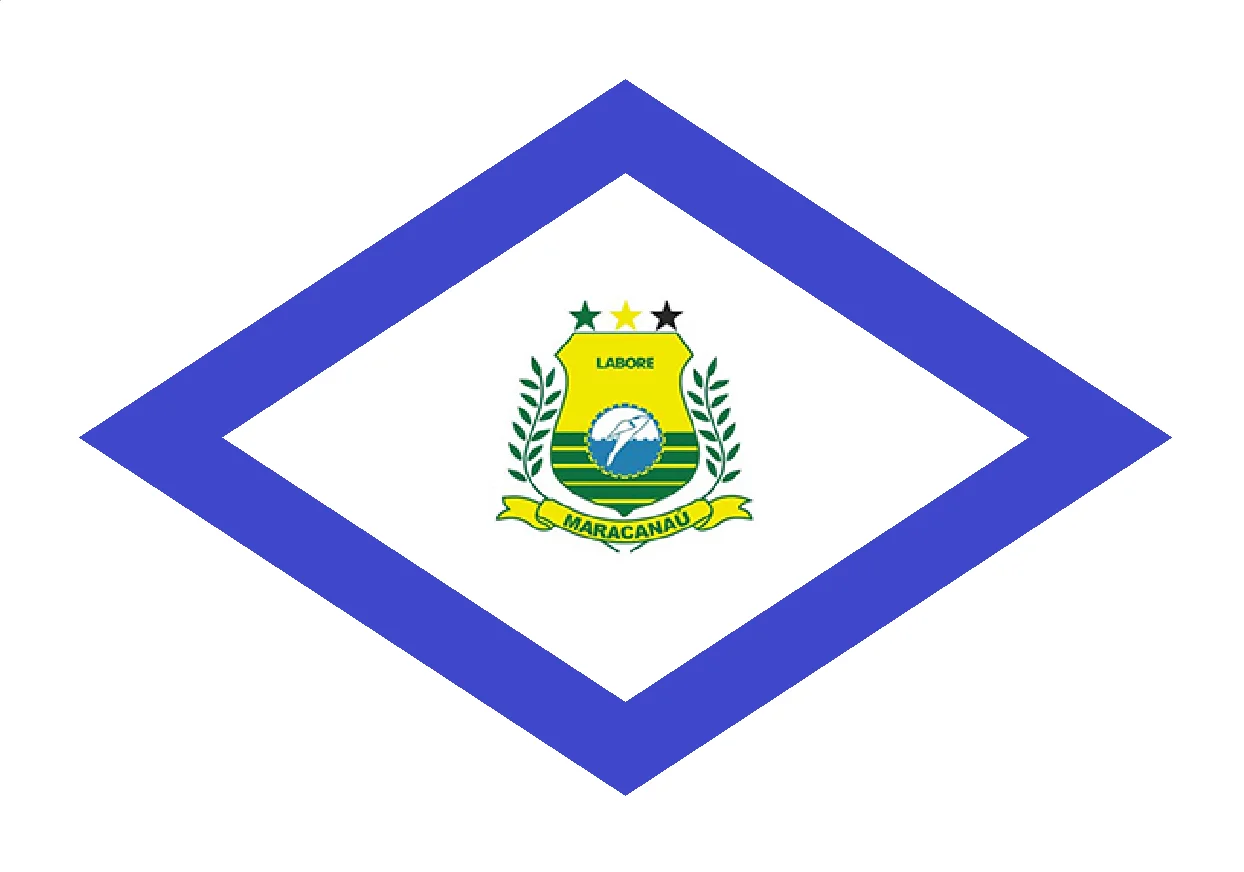

Maracanaú
The name is a sound as much as a word - *maracanã-y*, the lagoon where the maracanãs drink. The maracanãs were red-shouldered macaws, green and scarlet birds that the Pitaguary people watched flying over the shallow pools in what is now the Ceará backcountry. The birds still give the city its name, though the lagoons are mostly memory now and the red-shouldered macaw has all but vanished from this stretch of coast. Maracanaú sits 20 kilometers south of Fortaleza, a city of about 229,000 people knitted into the metropolitan fabric by rail and highway.
The People Who Were Here First
Before anyone wrote anything down, four Indigenous groups shared this watershed: the Pitaguary, the Jaçanaú, the Mucunã, and the Cágado. They farmed cassava and corn in plots along the lagoons and traded with the coast. In 1649 Dutch expeditioners passed through, mapping the farms during a search for silver mines that did not exist here. The Jesuits arrived afterward and built missions around the largest of the lagoons. The settlement that grew up on that site eventually took the birds' name. Today the Pitaguary still maintain a recognized Indigenous territory in the municipality - one of the few places in metropolitan Fortaleza where that continuity has held.
Train Tracks and an Industrial Turn
Maracanaú was part of the neighboring municipality of Maranguape until 1983, a satellite of a satellite. The first transformation came in 1875, when the railway arrived from Fortaleza and a station opened. In the early twentieth century the settlement grew around four specific institutions - the commuter train line, the Sanatorium of Antônio Justa (now the municipal hospital), the Colônia Antônio Justa, and a rehabilitation center for juveniles. Then, in the 1970s, came the decision that reshaped everything. Maracanaú was chosen as the site for the Industrial District of Fortaleza. Factories rose where cassava fields had been. A city was built, effectively, to serve an economic zone, and the movement for emancipation from Maranguape gathered force. It succeeded in 1983.
A First Mayor, and a Stadium Named for Him
The first mayor elected after emancipation was Almir Dutra. He was murdered on 27 February 1987, only a few years into his term. The vice mayor, José Raimundo, took over. The city has carried Dutra's name forward in its institutions - a municipal stadium under construction is named for him, with capacity planned for 18,000 spectators. Maracanaú has struggled with violence at a scale the statistics struggle to soften. As of 2019 it had the highest homicide rate of any Brazilian city over 100,000 people, 145.7 per 100,000 inhabitants. Those are not abstract numbers. Each one represents someone's son or daughter or neighbor, in a community where the presence of a modern industrial economy has not translated into the kind of security most residents would like.
A Modern Industrial Landscape
The Fortaleza Metro's South Line runs through Maracanaú now, stopping at Jereissati I and II, Novo Maracanaú, Alto Alegre, Acaracuzinho, and the city center. The Ring Road of Fortaleza crosses the municipality, tying it into the Metropolitan Arch that circles the capital. A business complex called the Business Place Maracanaú anchors the area between Jereissati I and the Industrial District, with two office towers, a 121-room hotel, and a shopping center attached. Statewide, Maracanaú ranks second economically only to Fortaleza itself. The city has 36 neighborhoods organized around three districts - Maracanaú, Pajuçara, and Pitaguary - plus the Industrial District where the factories are. The Pitaguary district takes its name directly from the Indigenous group whose descendants still live in it.
What Remains of the Birds
The red-shouldered macaw, *Diopsittaca nobilis*, is still alive as a species - it ranges across parts of northern South America - but the flocks that once gave Maracanaú its name are long gone from these lagoons. Most of the lagoons themselves have been drained or reduced to seasonal pools hemmed in by development. The Fazenda Fox environmental reserve, crossed by state highway CE-065, preserves one fragment of the landscape that the Pitaguary and Jaçanaú would have recognized. The rest is factories, apartment blocks, the commuter rail, and avenues that the city hall keeps widening. The name remains, though - the sound of a bird, carried forward on municipal letterhead and subway signs, in a place the bird no longer visits.
From the Air
Coordinates 3.88°S, 38.63°W. Recommended viewing altitude 3,000-8,000 feet to pick out the industrial district and the Fazenda Fox reserve. Landmarks: the Fortaleza Metro South Line runs through the city; the BR-116 highway passes to the east; the Metropolitan Arch/Ring Road loops around the urban core. Nearest airport is Pinto Martins-Fortaleza International (SBFZ), approximately 20 km to the north. Fortaleza's coastal haze frequently affects visibility at low levels during the afternoon.
Nearby Stories
- Prainha do Canto Verde Extractive Reserve 8.7 km away
- Pedra da Risca do Meio Marine State Park 14 km away
- Redenção, Ceará 26 km away
- Guajiru 56 km away
- Canoa Quebrada 71 km away
- Emboaca 89 km away
- Ceará 113 km away
- Nadir Crater 2734 km away