
Redenção, Ceará
The town had been called Acarape. Its sugarcane fields were worked by Africans and their descendants, stolen from distant coasts and sold into labor that shaped the wealth of the region. And then, on 1 January 1883, Acarape did something unprecedented in Brazilian history: it declared every enslaved person within its boundaries free. Five years passed before the national government followed with the Lei Áurea in 1888. The town took a new name to mark what it had done. It has been called Redenção - Redemption - ever since.
Before the Sugar
The hills of the Maciço de Baturité rise from the coastal plain about 55 kilometers southwest of Fortaleza, catching rain that the drier sertão does not see. The region around the Acarape River was home to the Potyguara, Jenipapo, and Kanindé peoples, each with their own territories and traditions. The soil held moisture; the river ran year-round. When Portuguese colonizers pushed into Ceará during the agricultural expansion of the 19th century, they saw what the indigenous peoples had known - land that could grow sugar. The indigenous presence in this region was displaced and, over generations, destroyed.
The Sugar and the Enslaved
Sugarcane production brought enslaved Africans to Acarape, as it had to every Brazilian region where cane would grow. The lives these people led were shaped by forced labor in fields whose profits flowed to slaveholders and distant merchants. They built the economy. They built the infrastructure. They did not share in the wealth or the freedom of the country they were held in. Much of what is known about their individual lives has been lost to the documentary gaps that slavery produces; much remains to be recovered by historians who continue the work.
1 January 1883
The abolition movement in Ceará gained momentum through the early 1880s, pushed by abolitionists including the Jangadeiros - the raft-fishermen of Fortaleza who refused to ferry enslaved people from the port. On 1 January 1883, Acarape became the first municipality in Brazil to declare all enslaved people within its limits free. The state of Ceará as a whole abolished slavery on 25 March 1884, also a first. National abolition followed with the Lei Áurea on 13 May 1888. Acarape's early act was radical, symbolic, and irreversible; the name Redenção - Redemption - was adopted to mark what had happened and what the town now was.
UNILAB and the Meaning Today
In 2010 the federal government established the University of International Integration of the Afro-Brazilian Lusophony - UNILAB - and chose Redenção as its headquarters. The choice was deliberate. UNILAB exists to integrate Brazil with Portuguese-speaking African nations, and students from Angola, Cape Verde, Guinea-Bissau, Mozambique, São Tomé and Príncipe, and East Timor study here alongside Brazilians. The university sits in a town that declared freedom 135 years before its founding. The connection is symbolic but also functional: students walking between the Auroras and Liberdade campuses are doing what the town's name has meant since 1883 - a community defined by the act of making people free.
What the Landscape Keeps
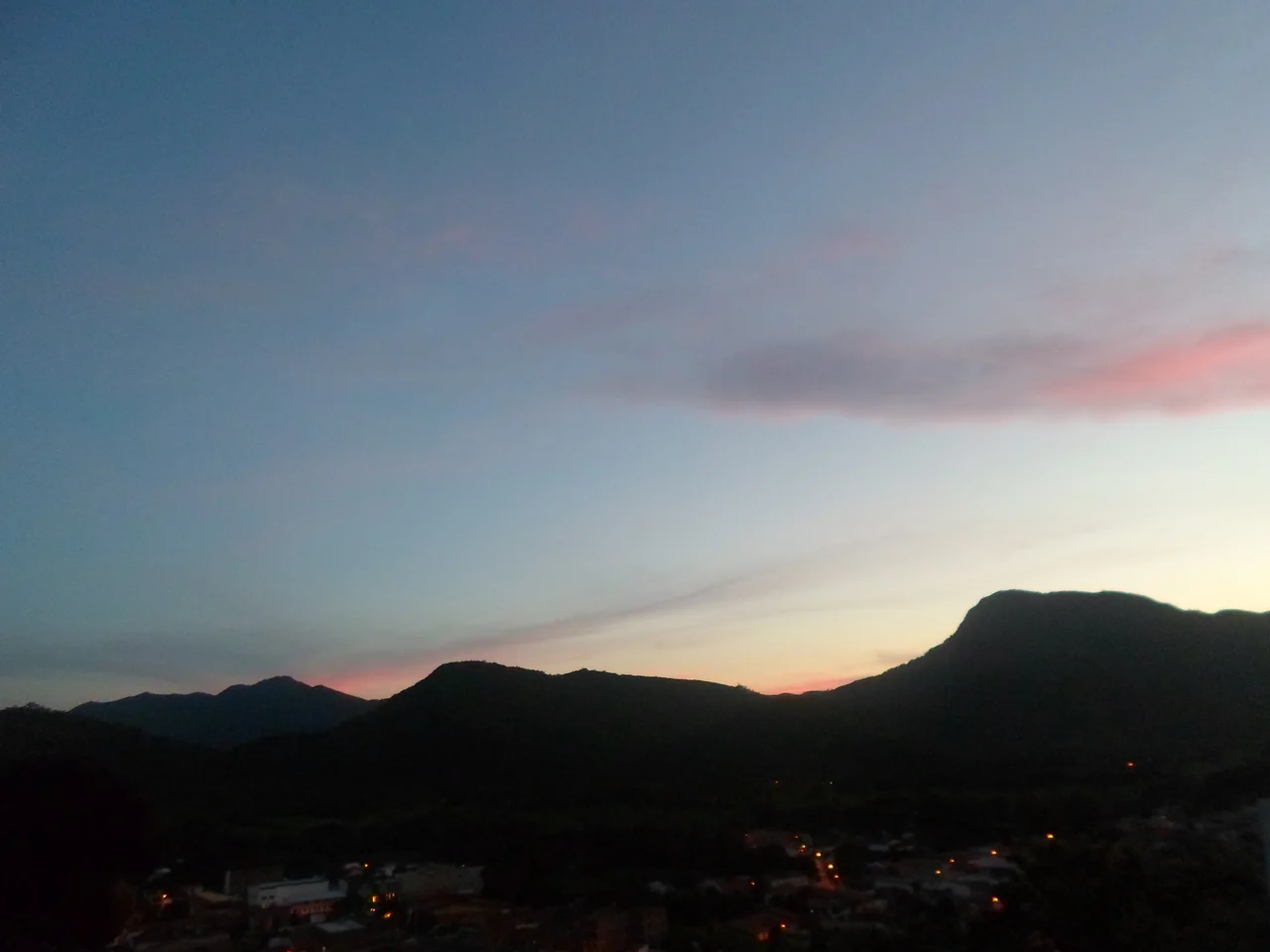
Redenção sits in four districts across a wet pocket of the otherwise arid state, where temperatures stay between 22 and 32 degrees Celsius and the vegetation is greener Caatinga than the sertão to the south. The mountain of Saint Rita rises above the town; Acarape do Meio reservoir catches the river that gave the old settlement its name. Two museums and three squares anchor the historic center, receiving visitors who come for what the name commemorates. In a country that reckons imperfectly with the legacy of slavery, Redenção is a place where the reckoning happened early, decisively, and in public - and where the community chose to mark it by changing what it called itself.
From the Air
Coordinates 4.23°S, 38.73°W. Redenção sits 55 km southwest of Fortaleza in the Maciço de Baturité hills. Nearest commercial airport is Fortaleza (ICAO SBFZ). From altitude the town appears as a settled green pocket against the drier surrounding terrain; Saint Rita Mountain rises immediately beside it, and the Acarape do Meio reservoir is visible to the north. The UNILAB campuses - Auroras and Liberdade - are distinctive as newer institutional complexes on the edges of town. Best visibility runs July through December; rainier months from January through May bring frequent cloud cover over the hills.
Nearby Stories
- Batoque Extractive Reserve 10 km away
- Beberibe 25 km away
- VASP Flight 168 29 km away
- Quixadá Monoliths Natural Monument 47 km away
- Furna Feia National Park 105 km away
- Crateús 159 km away
- Ubajara National Park 172 km away