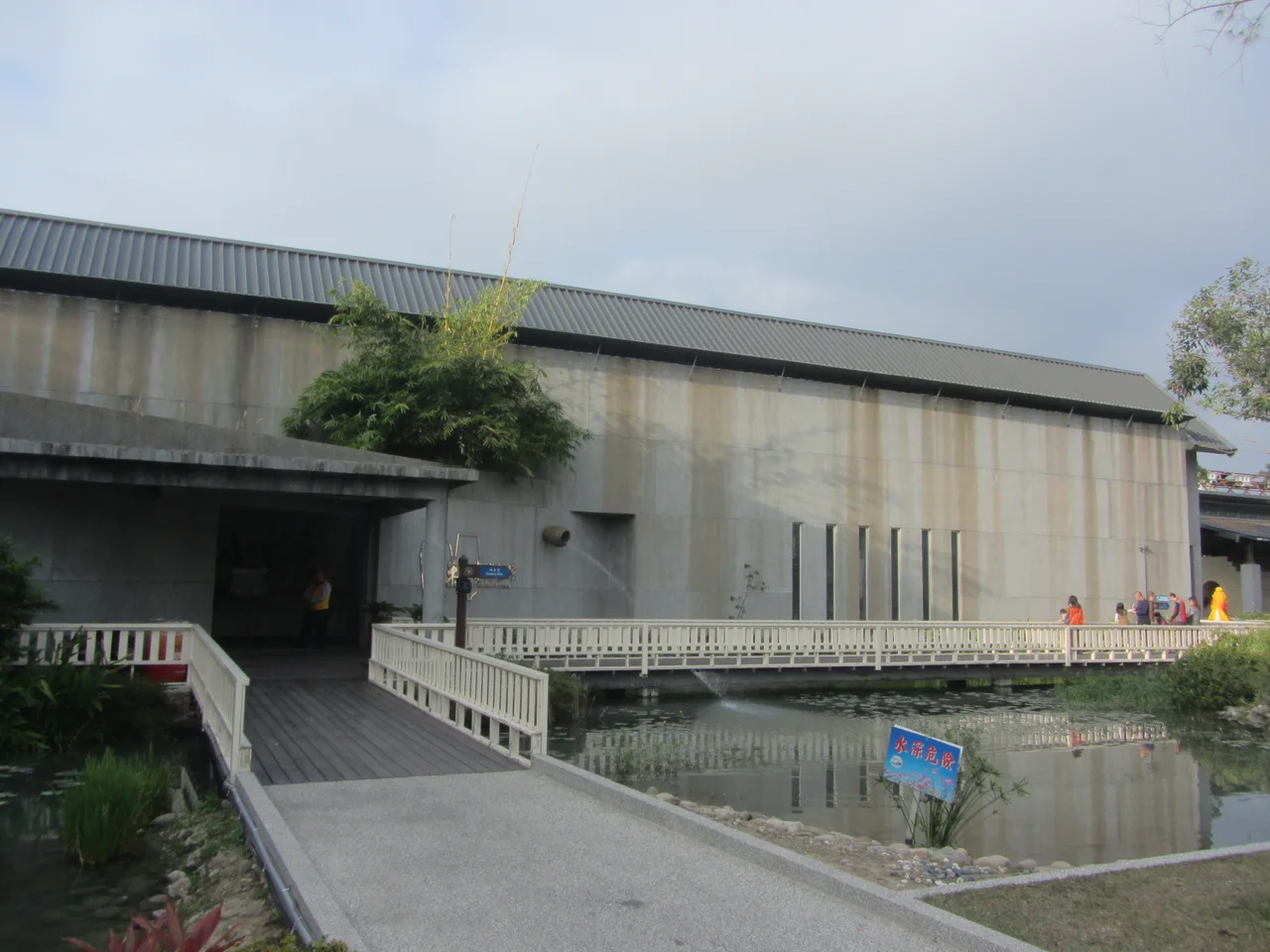

Miaoli Ceramics Museum
Miaoli is not a name most people associate with pottery. Jingdezhen in China, Tokoname in Japan, Stoke-on-Trent in England — those are the ceramic cities. But the clay-bearing hills of Miaoli County in central-western Taiwan supported a pottery industry for generations, supplying urns, roof tiles, water jars, and decorative ware to households and builders across the island. The Miaoli Ceramics Museum, completed in 2005 in Gongguan Township, exists to recover that story from the margins and put it at the center where it belongs.
Clay Country: What the Hills Provided
The geology of Miaoli County is volcanic and sedimentary in layers, producing soils that local potters recognized generations ago as ideal for earthenware. Kilns operated across the county — wood-fired structures that required not only good clay but abundant fuel, and the forested hills provided both. The products ranged from utilitarian to decorative: storage urns for grain and pickled vegetables, tiles for temple roofs, jars for the fermented pastes and sauces central to Taiwanese and Hakka cooking, and later, as tastes changed, ornamental ceramics for display. The museum's thematic organization reflects this range. Sections titled "Home of Ceramics: Miaoli" and "Ceramics in Miaoli" situate the industry in its geographic context. "Life of the Old Master" focuses on the human dimension — the kiln operators and artisans whose knowledge was passed down across generations through apprenticeship rather than written instruction. "Kilns in Miaoli" documents the physical infrastructure of production. "Traditional Ceramic Techniques" and "Modern Wood Burning" bridge historical practice with contemporary craft.
Two Floors Inside a Larger Welcome
The museum is housed in a two-story building set within the Miaoli Travel Panorama Center in Gongguan Township, a complex that also contains a tourist information center, a restaurant, and a gift shop. The campus occupies two hectares — generous enough that the approach from the road feels unhurried, with space between buildings and plantings that soften the institutional quality many museum complexes accumulate. Inside, the permanent collection displays pottery artifacts and artworks representing Miaoli's ceramic history across time. Special exhibitions rotate through the space, occasionally featuring contemporary ceramic artists working in the region's tradition or engaging with it critically. The museum is not large by international standards, but it is focused: every object in the collection relates to the particular story of clay and fire in this particular county, which gives the experience a coherence that larger, more encyclopedic institutions sometimes sacrifice.
Urns, Tiles, and the Weight of Everyday Things
What the Miaoli Ceramics Museum does well is resist the tendency to exhibit only beautiful objects. The urn and decorative ceramics section certainly includes fine pieces — glaze work, sculptural forms, objects made to be admired. But the emphasis on utilitarian ceramics is deliberate and rewarding. A large storage urn is not glamorous. It held rice, or salt fish, or fermented soybeans. It sat on the floor of a kitchen for decades. It was touched every day by hands that never expected it to end up behind glass. Seeing these objects removed from their context and placed in a museum makes the ordinary visible in a new way, which is one of the better arguments for the existence of regional history museums. Miaoli's kilns produced the vessels of daily life. The museum asks visitors to look at those vessels as if for the first time.
South from Tongluo Station
Gongguan Township sits in the southern part of Miaoli County, where the land rises into the foothills of the central mountain range. The museum is accessible east from Tongluo Station on the Taiwan Railway — a short local journey through countryside that still carries the agricultural character that defined this region when the kilns were running. Arriving by train, visitors pass through a landscape of tea plantations and small farms before Gongguan's modest urban center comes into view. The surrounding area rewards slow travel: the hills that provided the clay and fuel for Miaoli's potters are still here, green and forested, visible from the museum's grounds on a clear day. The industry they supported has contracted sharply over the past century, but the landscape that made it possible has not changed as much as the economics.
From the Air
The Miaoli Ceramics Museum is located at 24.4897°N, 120.8280°E in Gongguan Township, southern Miaoli County, Taiwan. From the air at 3,000–5,000 feet, the museum compound is visible as a low-rise complex set among the foothills east of the coastal plain, with the hills of the central range rising to the east. The Tongluo railway station is a useful orientation landmark nearby. Nearest major airport: RCMQ (Taichung International Airport), approximately 40 km to the south. The Taiwan Railway corridor is visible running north-south through the valley below.
Nearby Stories
- Fengyuan Museum of Lacquer Art 1.6 km away
- Chiang Kai-shek Statues 6.3 km away
- Smangus 7.6 km away
- Taroko National Park 11 km away
- Hsinchu Museum of Military Dependents Village 21 km away
- Taiwan Strait 31 km away
- Taixi, Yunlin 62 km away
- China Airlines Flight 611 82 km away