
Operation Barras
It began with a wrong turn. On 25 August 2000, a patrol of British soldiers from the Royal Irish Regiment - eleven men and their Sierra Leonean army liaison officer - left the main road near Magbeni and rolled into the territory of a militia called the West Side Boys. They were quickly surrounded, overwhelmed, and taken prisoner. Carried across Rokel Creek to a camp at Gberi Bana, they became bargaining chips in the chaotic endgame of a long civil war. Sixteen days later, in the grey light before sunrise, the rescue came from the sky.
The Camp on the Creek
The West Side Boys were a renegade militia of perhaps several hundred fighters, many of them teenagers - some children - drugged, heavily armed, and unpredictable. Their two camps faced each other across Rokel Creek, a tidal arm of the great Freetown estuary: Gberi Bana on the north bank, where the hostages were held, and Magbeni on the south. Negotiators won the release of five soldiers in the first days. But the remaining six and their liaison officer stayed captive, and the militia's demands grew steadily more outlandish - satellite phones, the release of jailed comrades, a new government. By early September the British concluded the talks were a stalling game, and that the hostages might be killed or moved deeper into the bush at any moment.
Twenty Minutes at Dawn
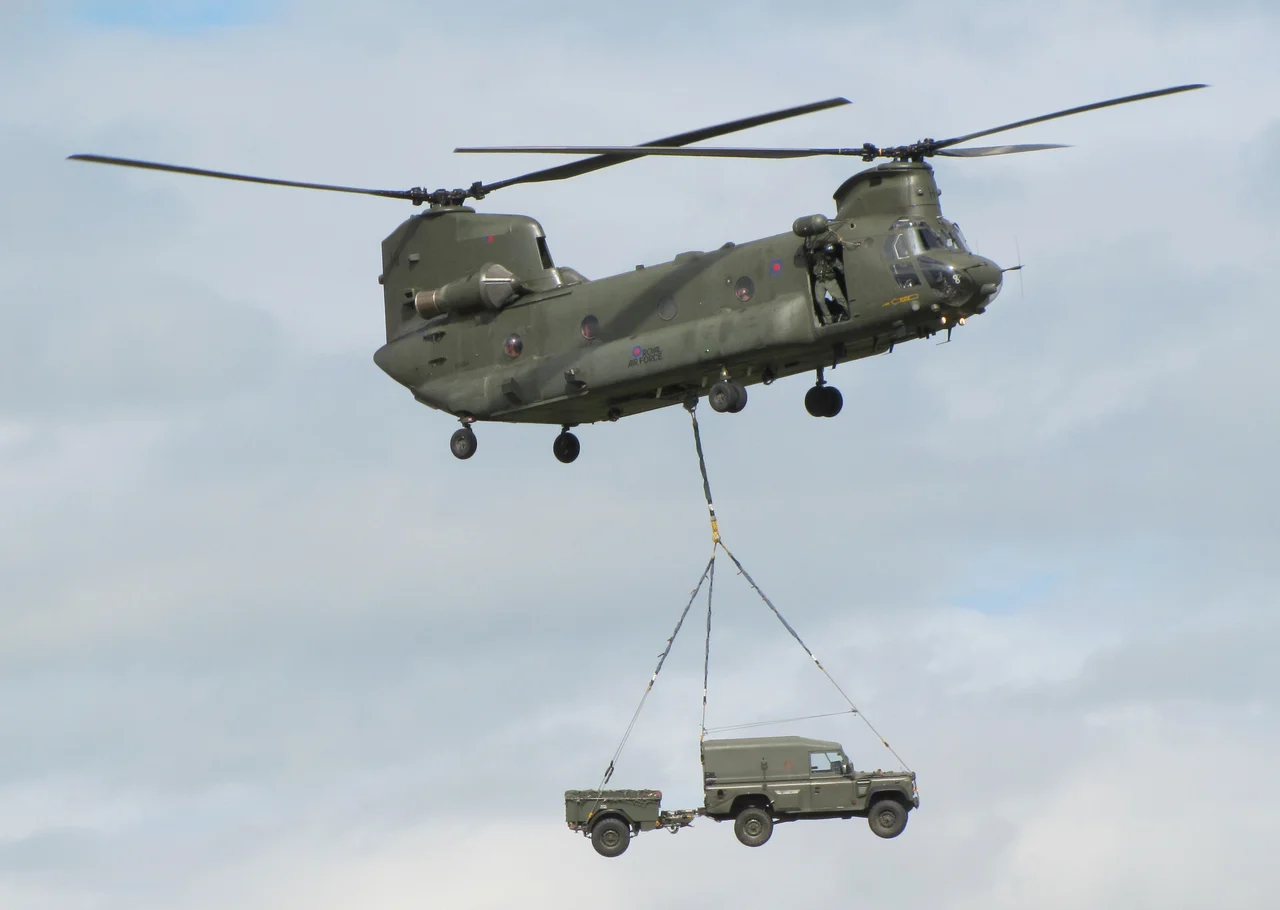
The order came on 9 September; the assault would go in at first light the next day. Helicopters lifted off carrying D Squadron of 22 SAS, reinforced by a troop of the Special Boat Service, toward Gberi Bana to snatch the hostages. Simultaneously, soldiers of 1 PARA struck Magbeni across the water - a diversionary assault meant to pin down the militia's heaviest concentration. The fight was ferocious and fast. Within roughly twenty minutes the hostages were located and lifted out. But early in the firefight a machine-gun round struck Bombardier Bradley Tinnion of the SAS. He was carried back to a helicopter and flown to a Royal Fleet Auxiliary ship offshore, where, despite everything the medical team could do, he died. He was on his first operational deployment with the regiment.
Who Walked Out
When the smoke cleared, every captive was free. The six Royal Irish soldiers and their liaison officer were recovered alive - but so, too, were twenty-one Sierra Leonean civilians the West Side Boys had been holding prisoner, a detail easily lost in the headlines about British troops. Among the militia, at least twenty-five were killed and eighteen captured, including their leader, Foday Kallay, who was handed to the Sierra Leone Police. Many of the fighters were children, swept into a war they had not chosen. Over the following two weeks, with their camps destroyed and their leadership gone, more than three hundred West Side Boys surrendered to United Nations peacekeepers. The militia that had terrorised the road to Freetown simply dissolved.
What the Raid Changed
The capture of the patrol had badly shaken confidence in the British presence in Sierra Leone. Its violent reversal restored that confidence overnight, and Britain deepened its commitment to ending the civil war - politically at the UN Security Council, and on the ground with officers supporting the peacekeeping mission. The war would formally end in 2002. The raid left a mark on the British military itself: the effective pairing of paratroopers with special forces at Magbeni helped inspire the creation of the Special Forces Support Group, a permanent unit built initially around 1 PARA. But the truest measure of Operation Barras is simpler. Eleven captives went home. One soldier did not.
From the Air
Operation Barras took place at the West Side Boys' camps of Gberi Bana and Magbeni, on Rokel Creek roughly at 8.56°N, 12.80°W - a tidal inlet feeding the Sierra Leone River estuary, about 40 miles east-northeast of Freetown. The nearest major airport is Freetown-Lungi International (ICAO: GFLL), on the coast to the west. The terrain is low, flat, and heavily vegetated, with the creek winding through mangrove and bush - cover that made a helicopter-borne assault the only viable approach. Recommended viewing altitude 3,000-6,000 ft to trace the creek's serpentine course. Clearest conditions come in the dry season, December through April.
Nearby Stories
- Mabilafu 21 km away
- Tombo, Sierra Leone 29 km away
- Makeni 30 km away
- Sandervalia National Museum 88 km away
- Îles de Los 115 km away
- Rocas Atoll 2638 km away