.jpg)
Siege of Khartoum
Inside Khartoum, the food ran out long before the rescuers arrived. By January 1885, after ten months of siege, the 27,000 mostly Sudanese civilians trapped alongside Gordon's Egyptian garrison were eating leather, gum, and the bones of animals. The wheat that had been rationed to last six months had run out in month seven. Mothers watched their children sicken. And beyond the walls, across the Nile's seasonally low waters, 50,000 Mahdist soldiers waited for the night the river would finally let them walk across.
The Mahdi's Rising
The war that ended at Khartoum had begun in 1881, 600 kilometers to the southwest, when a boat-builder's son named Muhammad Ahmad declared himself the Mahdi - the prophesied redeemer of Islam. For sixty years Sudan had been ruled from Cairo by a Turco-Egyptian administration whose taxes, slave raids, and corruption had ground the population down. Muhammad Ahmad's message - religious renewal and liberation from foreign rule - spread faster than Egypt's armies could chase it. In November 1883, at the Battle of El Obeid in Kordofan, his forces annihilated an Egyptian column of 10,000 men led by the British officer William Hicks. The news reached London and forced a decision that no one in Gladstone's cabinet wanted to make. Sudan was lost. The garrisons had to be evacuated. And the man sent to do it was Major-General Charles Gordon - a fifty-year-old soldier who had governed Sudan once before and who privately believed the Mahdi had to be defeated, not appeased.
Inside the Ring
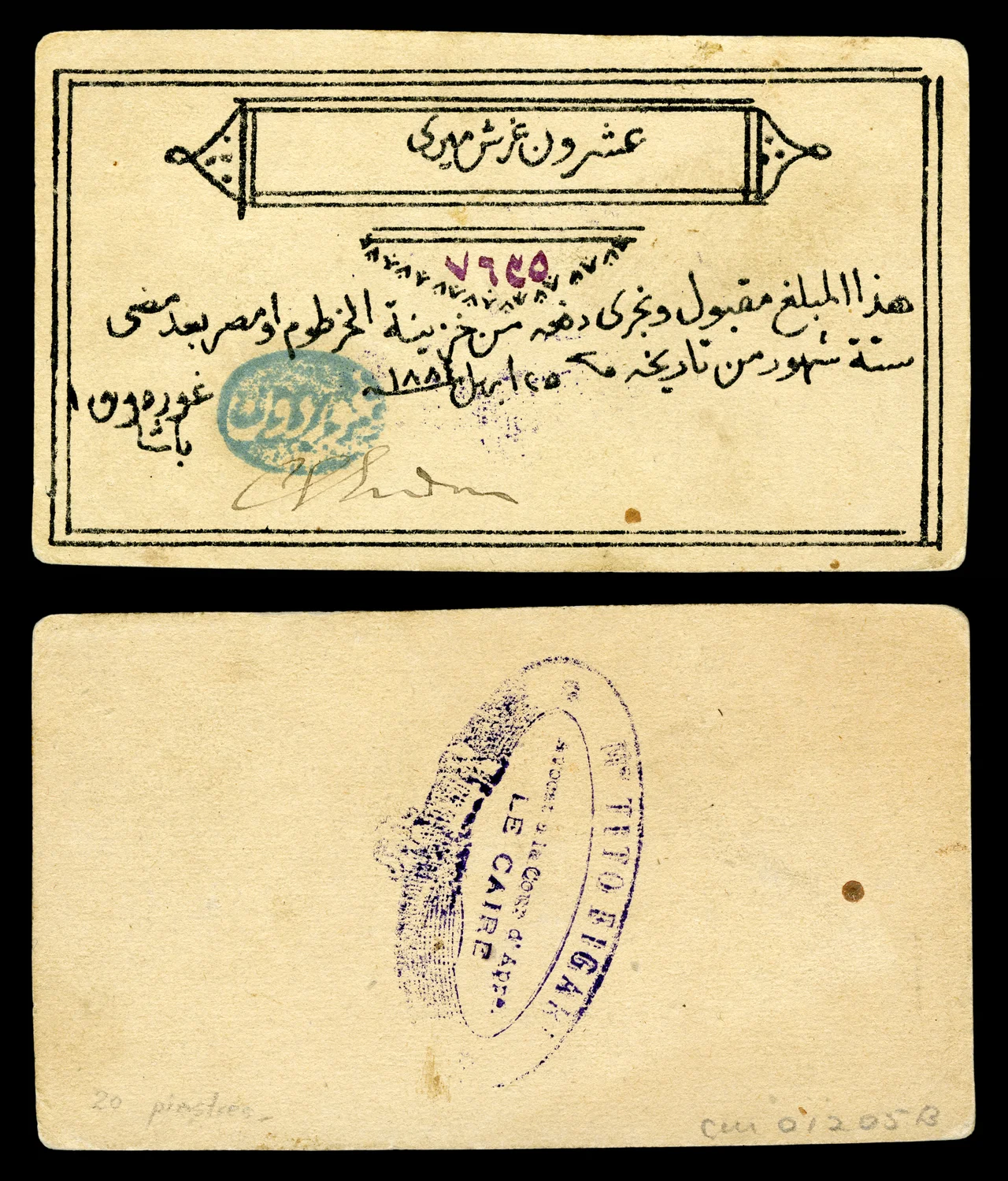
Gordon arrived on 18 February 1884 to find the city already cut off in all but name. Rather than evacuate, he fortified. He laid mines, strung barbed wire, issued his own paper currency from personal credit, and fired telegrams at Cairo demanding reinforcements that never came. By April the siege was real. The civilian population was not an abstraction - it was Sudanese merchants, Coptic clerks, the families of soldiers, women running households on rationed dura. In September an expedition tried to break out toward Sennar and lost 800 men at Al Aylafuh. A steamboat sent north along the Nile was captured, and Colonel John Stewart, Gordon's second-in-command, was killed with every passenger aboard. Stewart had carried letters revealing exactly how bad things were inside. The Mahdi read them. By late September he had moved his main army - now over 30,000 strong - to the ring around Khartoum, and the population inside had grown to 34,000 people subsisting on vanishing stores.
The Relief That Was Too Late
Gladstone's government delayed for months. Queen Victoria wrote furious letters. The British press lionized Gordon as a Christian martyr held hostage to political cowardice. In July 1884 the expedition was finally authorized, 9,000 troops under Sir Garnet Wolseley, but the logistics were staggering - boats had to be hauled up the Nile cataracts by French-Canadian voyageurs and Indigenous Canadian rivermen brought for their skill with rapids. The column did not enter Sudan until January 1885. The Desert Column, marching from Korti across the Bayuda, was attacked at Abu Klea on 17 January. The Mahdists broke the British infantry square - a thing thought impossible - before being driven off. When word of the British approach reached the Mahdi, he made his decision. He would take Khartoum first.
The Night of 26 January
Just before midnight, the Nile betrayed the city. The seasonal low had exposed a stretch of riverbed where the wall met the water, and 50,000 Mahdists forded across on foot. Another column under Al Nujumi broke the Massalamieh Gate, taking casualties on Gordon's mines and wire. The garrison - weakened by ten months of starvation - fought in places, collapsed in others. Within hours the city was taken. Four thousand men among the civilian population were killed. Many women and children were enslaved, a horror the British press glossed over in its obsession with Gordon's death. Accounts of how Gordon died differ: speared on the palace steps in full uniform, shot in the street while trying to reach the Austrian consulate, killed fighting on the staircase of the west wing beside his servant Khaleel Aga Orphali. His head was carried across the White Nile to the Mahdi at Omdurman. The relief column, steaming toward the city, arrived two days late.
What the Mahdi Built, What Kitchener Tore Down
Muhammad Ahmad ruled only six months more, dying in June 1885 of typhus. His successor Abdallahi ibn Muhammad inherited a state - the Mahdiyah - that controlled most of what is now Sudan and South Sudan. It lasted fourteen years. In September 1898, Herbert Kitchener returned with a modern Anglo-Egyptian army and Maxim guns, crushed the Mahdist host at Omdurman, and on the very ruins of Gordon's palace held a memorial service. Then he had the Mahdi's tomb desecrated and the body thrown in the Nile. The mausoleum was later rebuilt by the Mahdi's son. Today the Republican Palace, where Gordon died, stands where his palace stood. It has since survived two more military coups and, between 2023 and 2025, another siege. Some cities do not stop being contested.
From the Air
Khartoum sits at 15.61°N, 32.53°E at the confluence of the Blue and White Niles. Cruising at 30,000-35,000 feet offers a clear view of the famous Y-shaped junction, with Omdurman on the far bank where the Mahdi established his headquarters. Nearest major airport is Khartoum International (HSSS), with the old Wadi Seidna Air Base (HSSS, now HSSW) to the north. In clear desert weather the geography that shaped the siege - the low ford where the Mahdists crossed, the tongue of land between the two rivers - is legible from altitude.
Nearby Stories
- Esh Shaheinab 27 km away
- Naqa 56 km away
- Mahdist War 65 km away
- Musawwarat es-Sufra 100 km away
- Gezira State 101 km away
- Northern Sudan 215 km away