
Sieges of Taunton
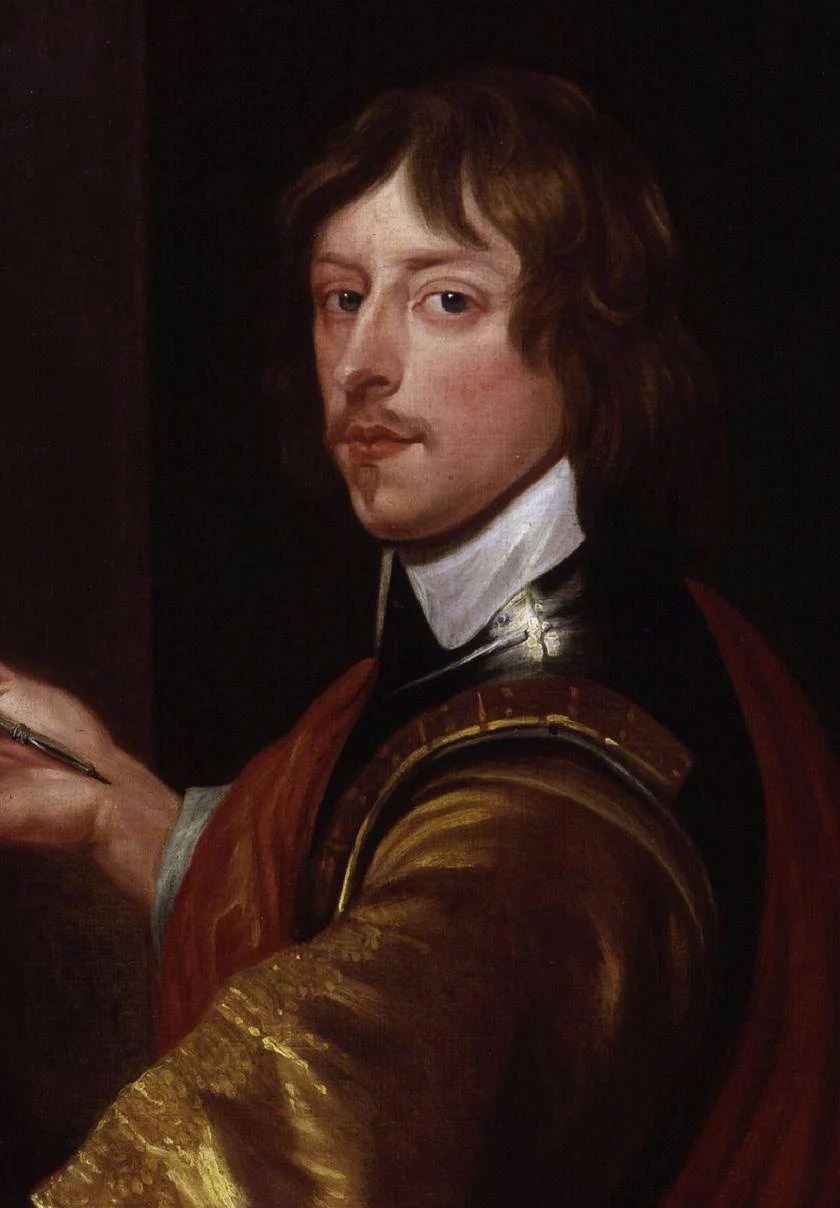
Robert Blake was a Somerset merchant's son in his mid-forties when Parliament left him in charge of Taunton in 1644. He had no formal military training. By the time he handed the town back over a year later, he had survived three Royalist sieges, watched two-thirds of Taunton burn around him, and tied up so many of the King's troops in this corner of Somerset that historians still wonder whether King Charles I might have won at Naseby if those men had been free to march north. Blake would later become one of the great admirals of English history. But his reputation was made not at sea, but in the rubble of a Somerset market town that simply refused to fall.
A Town Divided in Loyalty
Somerset's allegiances split along familiar lines at the outbreak of the First English Civil War in 1642. The county gentry and rural landowners leaned Royalist; the towns leaned Parliamentary, predominantly because their merchant classes were Puritan. Taunton had been held by a small Parliamentary force since August 1642. In June 1643 Sir Ralph Hopton's Royalist army marched out of Cornwall - eighteen regiments, equal foot and horse - and Taunton surrendered without a fight, accepting a Royalist garrison in Taunton Castle. The strategic value of the town lay in its location: it controlled the main road from Bristol to Devon and Cornwall, so whoever held Taunton could choke off the supply line for the entire Royalist West Country.
Robert Blake Takes Command
In summer 1644, Robert Devereux, Earl of Essex - Parliament's commander-in-chief - decided to reclaim the West. He retook Dorchester and Weymouth, then pushed toward Chard. The proximity of his army caused the Royalist garrison at Taunton to abandon the town, leaving only 80 men to defend the castle. On 8 July 1644 a Parliamentarian force under Colonel Sir Robert Pye, with Lieutenant Colonel Robert Blake as second-in-command, retook Taunton without resistance. The castle garrison surrendered and retreated to Bridgwater. Pye left soon after, putting Blake in command of about 1,000 men with orders to blockade the roads in support of Essex's Devon campaign. Blake immediately set to work. He dug trenches outside the eastern gate, built three earthen forts on the most vulnerable approaches, and erected internal barricades. He did not, it turned out, intend to be moved.
The First Siege: Wyndham's Polite Letters
King Charles ordered a 3,000-strong Royalist force to besiege Taunton, drawing on the Bridgwater garrison under Colonel Edmund Wyndham. Wyndham brought his brother Francis from Dunster Castle and Edward Rodney's infantry regiment. They invested the town on 23 September 1644. Initial assaults drove Blake back into the castle, but the Royalists shifted to a blockade conducted from about a mile distant, trying to starve the garrison out. During the siege Wyndham and Blake exchanged letters. Wyndham wrote first, suggesting the siege was a 'gentle method' compared with fire and sword, offering generous surrender terms, and signing himself 'Your well-wishing Neighbour and Country-man.' The two men had served together as MPs for Bridgwater in 1640. Blake's reply was unequivocal: he rejected the offer. Wyndham heavily rationed the townspeople to stop them smuggling food into the garrison - a small early cruelty in what would become a much larger one. James Holborne's Parliamentary relief column reached Taunton on 14 December and lifted the siege. Wyndham retreated to Bridgwater.
The Second Siege: Hopton's Hammer
Over the winter Blake expanded the defences. By late March 1645, Sir Richard Grenville opened the second and bloodiest siege. He was injured on his first day attacking Wellington House and was carried to Exeter; command passed through several hands before Sir Ralph Hopton himself took it. Hopton's army assaulted the town with full force in May. Over seven hours on 8-9 May they pushed the defenders back building by building until only a small central perimeter remained - the castle, an entrenchment in the market square, the Church of St Mary Magdalene, and an earthen fort called 'Maiden's fort'. Artillery and arson set most of the eastern town on fire. Between 50 and 200 defenders were killed; 200 more were wounded; two-thirds of Taunton's houses were destroyed. Ralph Weldon's Parliamentary relief army arrived on 11 May. The Royalists retreated.
The Third Siege: Goring's Drinking
Lord George Goring renewed the blockade in mid-May after engaging Weldon's departing army and forcing it back into the town. Goring's siege was lax and often porous, allowing provisions through to the defenders - partly because Goring himself was, by multiple contemporary accounts, frequently drunk. His army numbered between 10,000 and 15,000 men, which is the key fact. They were tied up in Somerset and unable to march north when King Charles needed them at Naseby on 14 June 1645. Modern historians have argued that Goring's force, properly committed, might have tipped the balance at Naseby. Instead, the King's main army was crushed, and Parliament's New Model Army under Fairfax marched south to relieve Taunton on 9 July. Goring withdrew to meet Fairfax at the Battle of Langport, where the Royalist Western Army was destroyed. The third siege of Taunton ended without a final assault.
What the Town Had Lost
The cost is hard to render in numbers. Some accounts place the destruction at two-thirds of all the houses in the town. Diane Purkiss puts it as high. Compensation payouts were made from fines levied on Royalist supporters - Sir William Portman, the former Taunton MP who had fought for the King, was fined £7,000, a colossal sum. In 1660, after the Restoration, Charles II stripped Taunton of its town charter as punishment for its part in the war, and had the castle's outer walls demolished. Yet the resentment ran deep enough that in 1685 the same town would crown the Duke of Monmouth king, and would lose its sons by the dozen in the Bloody Assizes that followed Sedgemoor. Some towns are punished by history once. Taunton was punished twice.
From Castle Walls to Quarterdeck
Robert Blake's later career is the postscript that makes the whole story land. After Taunton, Parliament sent him to besiege Dunster Castle, which he took after nine months. He was rewarded with £500. After the war he was given command at sea - a role for which he had no prior training - and proceeded to become arguably the greatest English admiral before Nelson. He won decisive victories against the Royalist fleet, the Dutch in the First Anglo-Dutch War, and the Spanish in the Caribbean. He died at sea in 1657, returning from the destruction of a Spanish silver fleet at Santa Cruz de Tenerife. His refusal to surrender Taunton was the first test of what kind of commander he was. The man who would teach the Royal Navy how to fight modern fleet actions had first learned how to stand his ground when half his town was on fire around him.
From the Air
Located at 51.02°N, 3.10°W at the centre of Somerset's Vale of Taunton Deane. The original castle still stands - now the Museum of Somerset - and the layout of the medieval town is still readable in the modern street pattern. Recommended viewing altitude is 2,000-3,500 feet. The M5 motorway runs east of the town; the Quantock Hills rise to the northwest; the Blackdown Hills lie to the south. Nearest airfields: Dunkeswell (EGTU) to the south, Bristol (EGGD) to the northeast, Exeter (EGTE) to the southwest. The River Tone cuts through the town from east to west. The strategic value that made Taunton worth fighting for - control of the main southwest road - is still visible in the convergence of modern highways here.
Nearby Stories
- Grand Pier, Weston-super-Mare 2.2 km away
- Royal Albert Memorial Museum 8.5 km away
- Royal Victoria Park 9 km away
- Siege of Lyme Regis 9.1 km away
- Dorset Museum 9.6 km away
- Stourhead 11 km away
- Porlock 17 km away
- Ewenny Priory 18 km away