
The Food Museum
The Alton Watermill was going to be drowned. When the Alton Water Reservoir was built, the 18th-century mill that had ground corn in the area for generations would have disappeared beneath the water. Instead, it was taken apart, transported piece by piece, and reassembled on the grounds of what is now The Food Museum in Stowmarket. This is what the museum does: it rescues the physical fabric of East Anglian rural life and puts it back together somewhere it can be seen.
From Medieval Manor to Open-Air Museum
The 84-acre site was originally the Abbot's Hall estate, an outlying manor for St Osyth's Priory in Essex that dates from medieval times. It passed through numerous owners until the Longe family acquired it in 1903. Farmer Jack Carter and the Suffolk Local History Council had spent years collecting objects from rural East Anglia — tools, machines, the material evidence of working lives. After years of temporary exhibitions, Vera and Ena Longe donated land including Stowmarket's oldest building, a Grade II* Medieval Barn, as a permanent home. The museum opened in 1967. The Longe sisters donated further parcels of land over the following decades; the full estate was leased to the museum in 2004 following their deaths.
Seventeen Buildings, One Estate
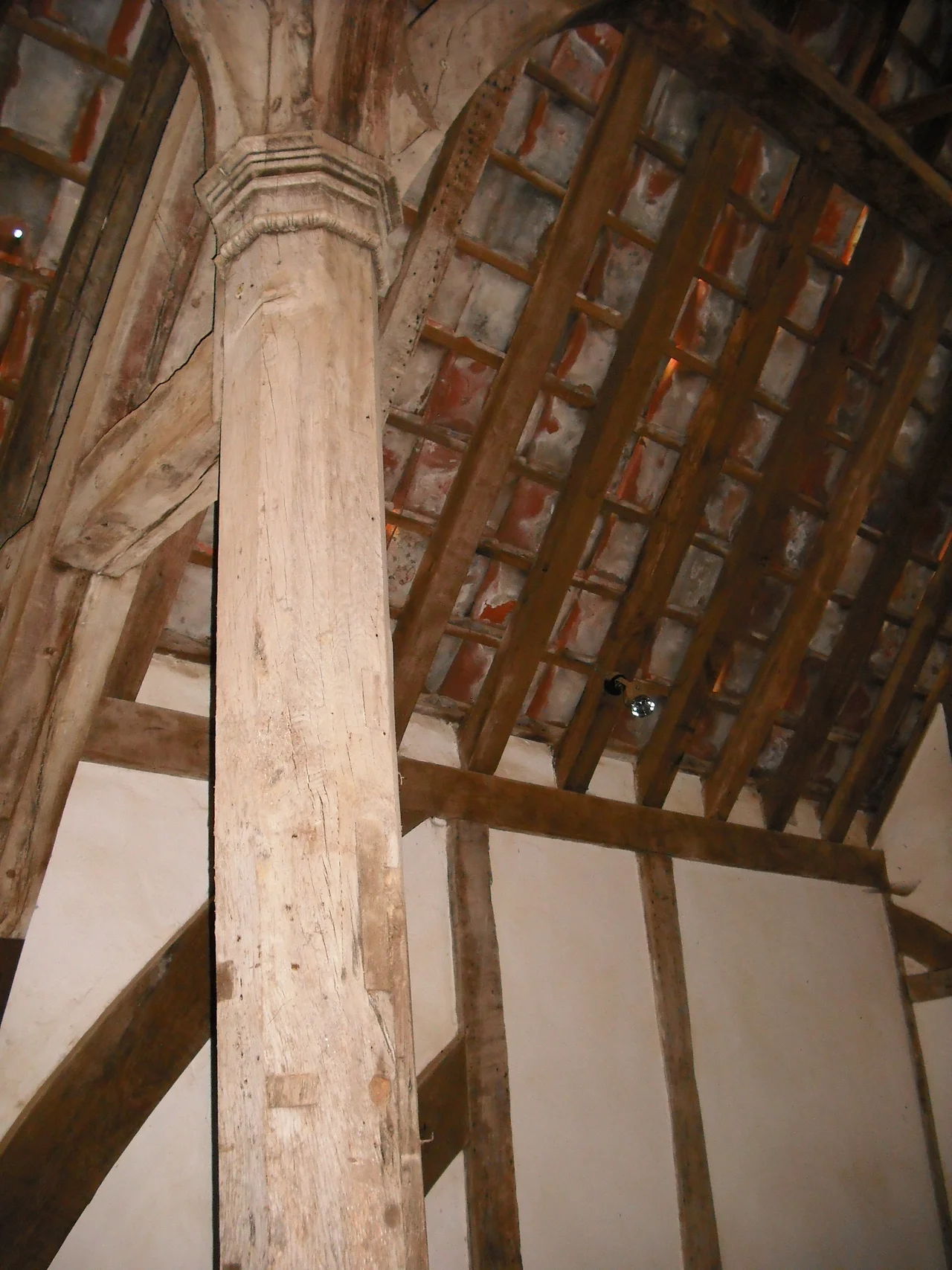
Edgar's Farmhouse is the kind of building that only survives through determined intervention. A 14th-century aisled farmhouse from the village of Combs, it had been absorbed into a Victorian-era building over the centuries. Saved from demolition in 1970, it was the first historic structure re-erected on the site. Its first recorded owners were John and Ascelina Adgor, names preserved in documents from seven centuries ago. The Crowe Street Cottages — the last pair of workers' cottages from the Abbot's Hall estate — stand as they were left, as dairy cottages. The Eastbridge Windpump drained land in the 19th century before being moved here. Each building carries its own history; together they describe a way of working the land that industrialisation largely ended.
The Rebranding as The Food Museum
In April 2022, the Museum of East Anglian Life changed its name to The Food Museum, reflecting a sharpened focus on farming and food production. The change came with substance: restoration of the Alton Watermill and Eastbridge Windpump to working order, a new Farm Barn for the collection of farming equipment, and an expanded programme of daily talks, cooking workshops, and family activities. A Festival of Beer and Brewing, running since 1996, showcases independent breweries. The Primadonna Festival, an inclusive literature event, arrives each summer alongside the East Anglian Storytelling Festival. In 2023, the museum began a further programme to conserve the Medieval Barn and build new exhibition spaces — the ongoing project of keeping a working estate working.
The Life of George Ewart Evans
Among the permanent exhibitions in Abbot's Hall is one dedicated to George Ewart Evans, the Welsh folklorist who spent decades recording the oral history of East Anglian working people — the horsemen, the harness-makers, the craftspeople whose knowledge was disappearing as mechanisation transformed the countryside. Evans understood that the old methods survived in memory long after they had ceased to be used, and that the people who remembered them were ageing. His interviews and books preserved a world that the museum's buildings also work to preserve, but through different means: the stored knowledge of hands and minds rather than timber and millstone.
From the Air
Located at 52.19°N, 0.99°E in Stowmarket, a market town in mid-Suffolk. The 84-acre estate is identifiable from the air along the River Gipping. Nearest airports: Norwich Airport (EGSH), approximately 40 miles northeast; Cambridge Airport (EGSC), approximately 40 miles west. Recommended viewing altitude 2,000–3,000 feet. The A14 dual carriageway passes north of Stowmarket and provides a useful navigation reference.
Nearby Stories
- Ely Cathedral 6.2 km away
- Aldeburgh Festival 8 km away
- Bungay Castle 8.4 km away
- Thetford Castle 9.1 km away
- White House Farm murders 12 km away
- RAF Bottisham 12 km away
- North Weald Airfield 20 km away
- Broadstairs 55 km away