
Utrecht tram shooting
Rinke Terpstra was forty-nine years old, a father from Drenthe, riding sneltram 61 toward work on a cold Monday morning. The first shot came at 10:41:35 - one minute and thirty-five seconds after the doors closed at the 24 Oktoberplein station. By the time the tram stopped a few hundred meters down the line, Terpstra had broken a window with his bare hands. At least five people climbed through it and lived. He did not. This is not the story of the man who pulled the trigger that day. It is the story of an ordinary intersection on the edge of Utrecht, and of the people who happened to be on a tram going to work.
The 24 Oktoberplein
The 24 Oktoberplein is not a place tourists visit. It sits on the western edge of Utrecht, in the Kanaleneiland neighborhood, where post-war apartment blocks meet a busy ring road. The tram stop is unremarkable - a concrete platform, a shelter, a glass-walled tram pulling in every few minutes from the central station. On the morning of 18 March 2019, seventeen people were in the rear car when the doors closed. They were students, commuters, retirees, parents on errands. None of them knew each other. The youngest passenger killed that day, Roos Verschuur, was nineteen, from the small city of Vianen just south of Utrecht. A neighbor who barely knew her family started a fundraiser to cover her funeral costs. It met its goal in hours, then kept growing, until it became a fund for every family touched by the attack.
What Rinke Did
Eyewitness accounts from that morning describe a chaos so quick it barely had shape. The gunman walked the length of the car, raised his pistol, missed repeatedly because the weapon jammed. Then it didn't. Within thirty seconds, three people were shot. As passengers scrambled for the doors that would not open, Rinke Terpstra threw himself at a window. He broke it. He helped others through it. In doing so, he made himself a target. He was killed before he could climb out. Four years later, in 2023, his family stood at the 24 Oktoberplein while the Dutch state awarded him the Erepenning voor Menslievend Hulpbetoon - the Honorary Medal for Charitable Assistance - posthumously. His widow said in interviews afterwards that the family still asked the same question every March: why did the tram doors stay shut?
The Four
The names matter. Rinke Terpstra, 49, from Drenthe, the man who broke the window. Roos Verschuur, 19, from Vianen, a young woman starting her life. The two other victims were a 28-year-old man from Utrecht and a 74-year-old man who had been gravely wounded and died of his injuries ten days later, on 28 March. Six others were injured and survived. The wounded were taken to the University Medical Center Utrecht, less than three kilometers from the platform where they had been standing minutes earlier. The hospital, the trams, the city - all of it close enough that the sirens were over almost as soon as they began. For the survivors and the families, of course, the morning never really ended.
How a City Mourned
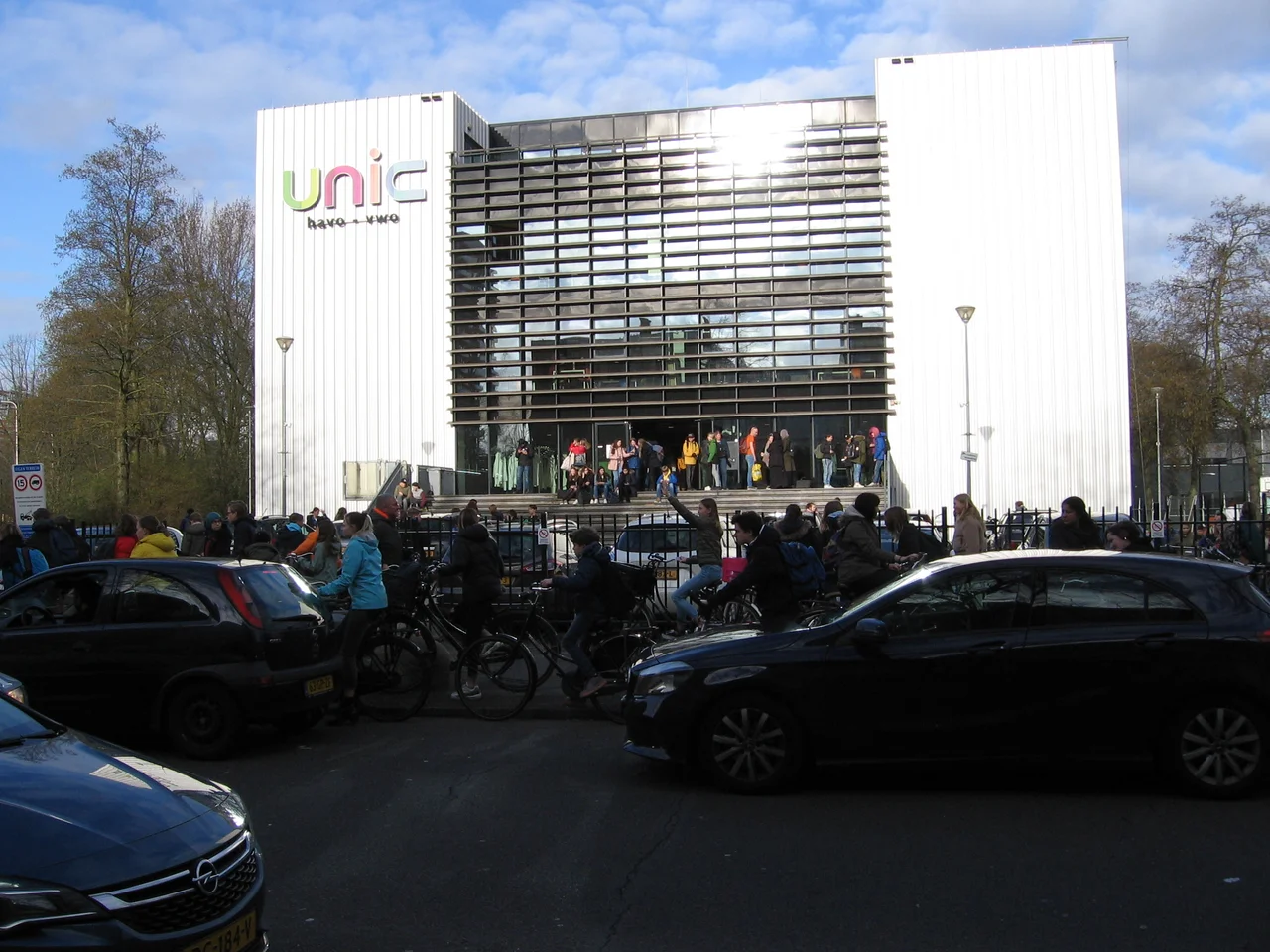
Utrecht is a quiet city by nature - canals, bicycles, a cathedral tower visible from almost everywhere. It is not a place that thinks of itself in terms of terror attacks. On 18 March 2019, the national threat level was raised to its highest tier. Mosques were evacuated and given police protection; the shootings in Christchurch had happened three days earlier, and no one yet knew which direction this attack pointed. Dutch royal residences flew black banners. By evening, people were laying flowers at the 24 Oktoberplein - thousands of them, in heaps along the tram track fence. A Frisian flag appeared for a victim from the north. Schoolchildren walking home from UniC and the International School of Utrecht passed bouquets stacked higher than they were tall. The flowers kept coming for weeks.
The Commemoration
Because of the pandemic, there were no public commemorations from 2020 through 2022. On 18 March 2023, four years to the day after the attack, Mayor Sharon Dijksma stood near the tram stop and gave the first public address since that morning in 2019. The city poet, Ruben van Gogh, unveiled a poem written specifically for the site. The Dutch Minister of Justice and Security was there. Families laid flowers. The tram still runs through the 24 Oktoberplein every few minutes; nothing about the platform has changed. That is, in a Dutch way, the point. You honor the dead by continuing to live where they lived, to take the trams they took, to mark the date and then keep moving. The poem stays. The flowers come every March. The names, especially, stay.
From the Air
The 24 Oktoberplein is on the western edge of Utrecht at 52.0808°N, 5.0914°E, between the A2 motorway and the Amsterdam-Rijnkanaal. From altitude, look for the ring road junction just southwest of the Utrecht city center. Nearest airports: Amsterdam Schiphol (EHAM), 35 km northwest; Rotterdam The Hague (EHRD), 55 km southwest. Recommended viewing altitude 2,500-4,000 ft AGL.
Nearby Stories
- 1973 Dutch Grand Prix 2 km away
- Barendrecht 2.6 km away
- Museum Het Leids Wevershuis 6.7 km away
- Ravenstein 6.8 km away
- Ransdorp 7.1 km away
- Lowlands Festival 11 km away
- Wetlands International 11 km away
- Ammersoyen Castle 15 km away