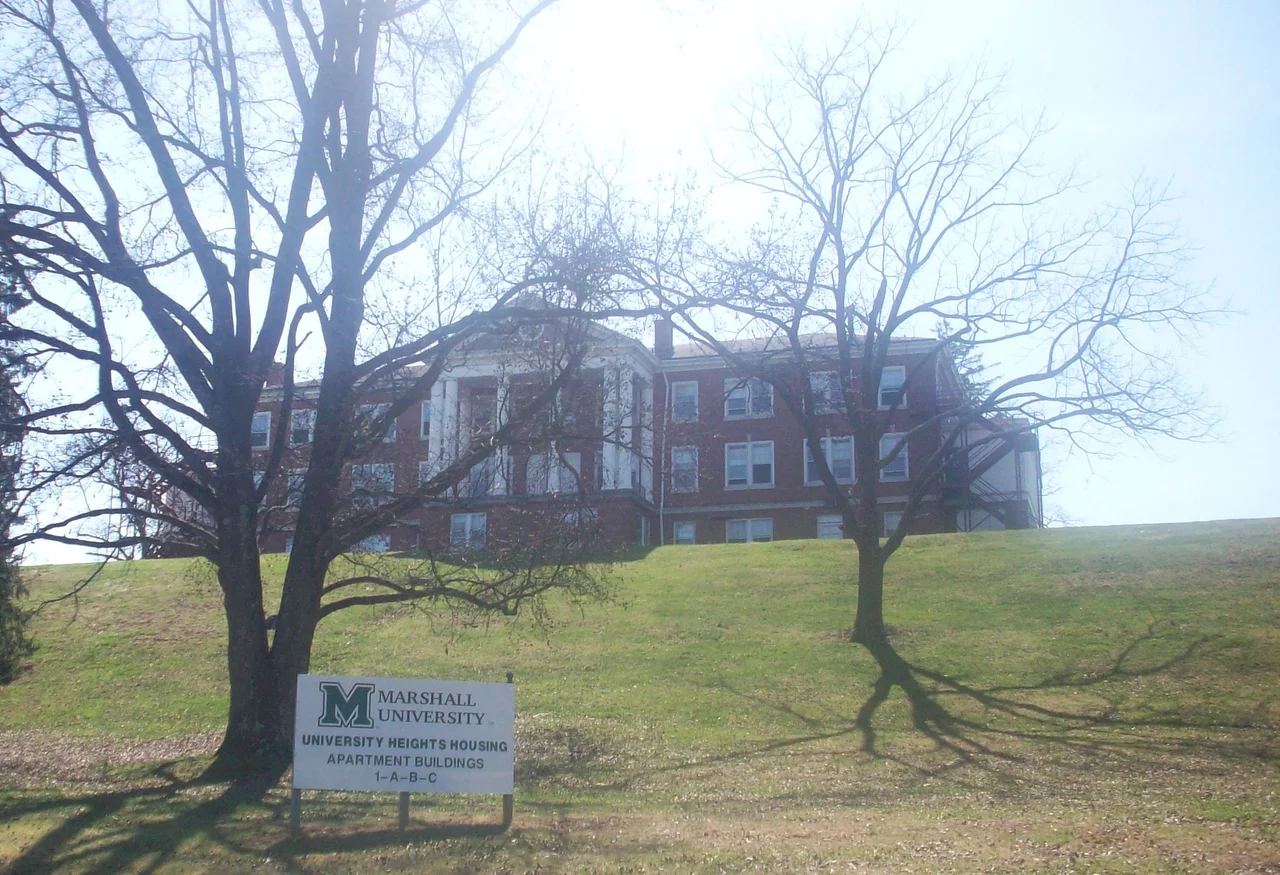

West Virginia Colored Children's Home
In March 1900, a Black minister named Reverend McGhee brought a group of Black orphans to Huntington, West Virginia. There were no public institutions in the state willing to take them in. Funds ran out within months, and McGhee was forced to move the children to Blue Sulphur Springs near Ona, where the local hostility was so sharp that the school could not stay. In 1903, McGhee bought 210 acres overlooking the Guyandotte River on the outskirts of Huntington and brought the children back. From that purchase grew an institution that would shelter Black West Virginians for more than half a century, change names half a dozen times, and finally - in 2011 - be torn down to make room for a middle school.
A Home Built by the Children Who Lived There
The original three-story building on the Huntington property went up in 1904, partly built by the labor of the children it would house. The state had no provision for Black orphans, so the institution depended on McGhee's fundraising, a small farm worked by the residents, and beginning in 1903 a modest state subsidy that paid teacher salaries. Under McGhee's tenure as superintendent, which lasted until 1915, the population peaked between 1912 and 1913 at seventy-four children. He was succeeded eventually by Howard H. Railey, who would later become the third African American to serve in the West Virginia state legislature. The institution went by many names over the years - the West Virginia Colored Orphans Home, the Colored Orphan Home and Industrial School, and in its later years the West Virginia Home for Aged and Infirm Colored Men and Women. The language belongs to its era. The people the home served were children and elders, citizens of West Virginia, denied access to the institutions other West Virginians used.
Fire, and Then Fire Again
On November 5, 1909, the original building caught fire. A new structure was already under construction next to it and survived. Records are unclear on whether the burned building was rebuilt or merely remodeled, but the home kept operating. Then on April 5, 1920, the main school building burned to the ground. The replacement, completed between 1922 and 1923, was the structure that would define the property for the rest of its existence: a three-story red brick building in the Classical Revival style at 3353 U.S. Route 60, with a central bay and two-story porticos on the east and west wings that would later be enclosed. The east half housed the boys, the west half the girls. A separate three-story building, the State Industrial Home for Colored Girls, went up on the same property between 1924 and 1926. During the Great Depression, the Civil Works Administration improved the grounds. A farmer and assistant farmer lived in an outbuilding and worked the land alongside the residents.
The End of Segregation, and the End of the School
By 1951, the residents of the Children's Home were no longer educated on the property. They were bused to Huntington's segregated public schools, an arrangement that itself ended in the following decade as West Virginia desegregated. The institution lingered in various forms, eventually becoming University Heights Apartments, until the building was sold. In 2008, a mental-health and addiction treatment group bought the property. In 2009, the building was transferred to the Cabell County Board of Education. Preservationists pushed to save the structure - it had been listed on the National Register of Historic Places in 1997 - but in May 2011 demolition began. Huntington East Middle School now stands where the home once did. There is no marker on the site that tells you what was here, what survived two fires and the Great Depression and a century of segregation, only to be cleared for a parking lot and athletic fields.
What the Land Remembers
Drive U.S. Route 60 east out of Huntington today and the property looks like any other suburban school campus, the kind of low brick architecture that could be anywhere in the country. The bluff still overlooks the Guyandotte River. The 210 acres McGhee bought in 1903 are still there, just rearranged. The story of the home is now told mostly in archives - the National Register nomination form, the Social Welfare History Project's records, a Cabell County Board of Education cultural-resource assessment commissioned in 2014, three years after the demolition. The buildings are gone. The history of the children who built them, of the elders who later lived in them, of Reverend McGhee and Howard H. Railey, persists only as long as someone keeps telling it. That is most of what historic preservation is anyway: not the bricks, but the act of remembering.
From the Air
The former site of the West Virginia Colored Children's Home is at 38.41 degrees north, 82.37 degrees west, on a bluff above the Guyandotte River along U.S. Route 60 east of downtown Huntington. Huntington East Middle School now occupies the property. Best viewed at 2,500 to 4,000 feet AGL: look for the school campus along the river bench, between the Guyandotte and the I-64 corridor. Tri-State Airport (KHTS) is about ten miles southwest. The Guyandotte's confluence with the Ohio River, just downstream in Huntington, is the most reliable visual landmark.
Nearby Stories
- Battle of Scary Creek 6 km away
- Portsmouth 7.2 km away
- Fred M. Vinson Museum and Welcome Center 14 km away
- Staats Mill Covered Bridge 24 km away
- Lake Tight 25 km away
- Battle of Blair Mountain 32 km away
- Lower Shawneetown 35 km away
- The Kentucky Meat Shower: When Flesh Fell From a Clear Sky 68 km away