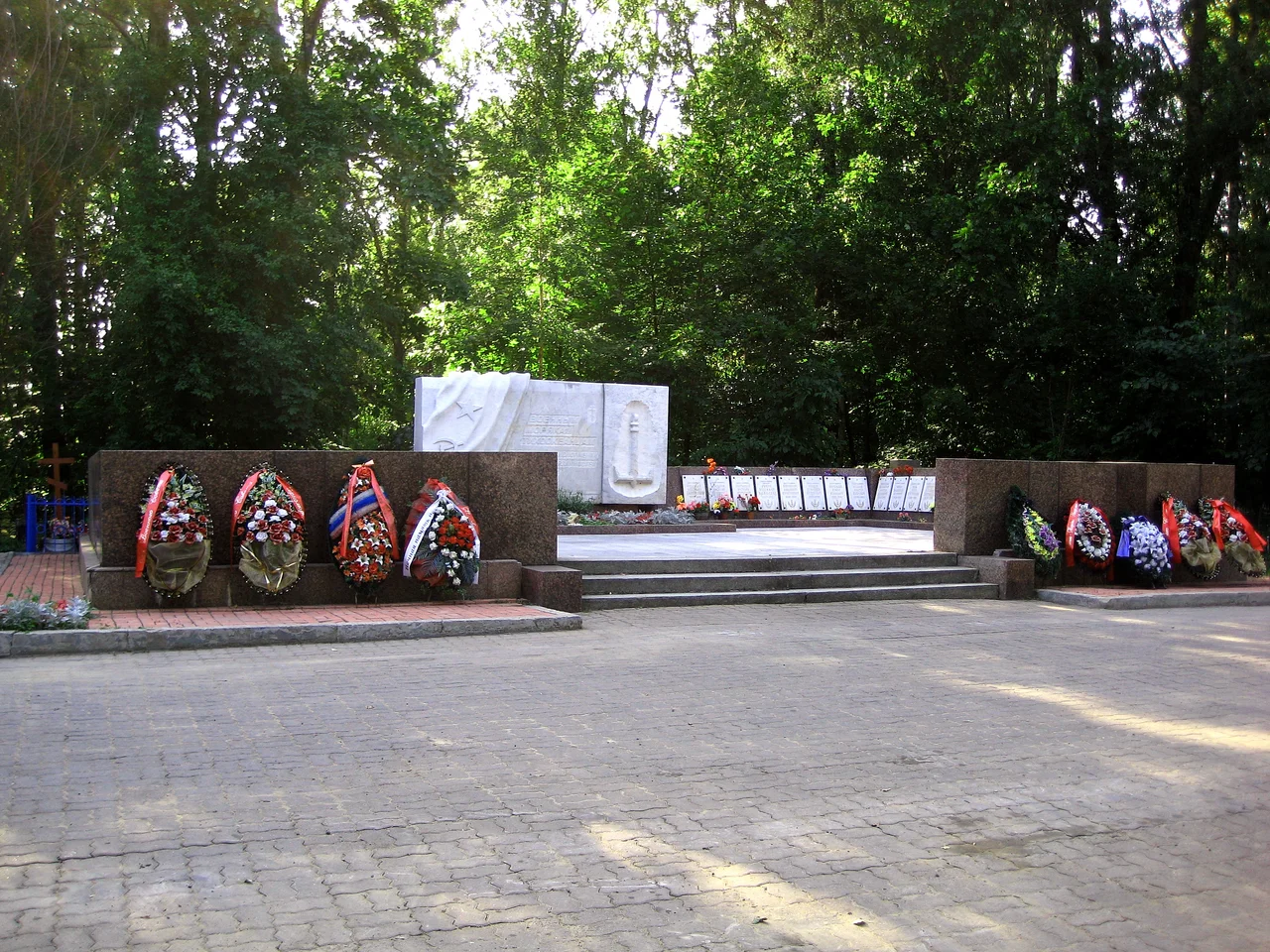

1981 Pushkin Tu-104 Crash
It was snowing at Pushkin Airport at six o'clock in the evening on 7 February 1981. The Tupolev Tu-104A lined up on runway 21 and began its takeoff roll. There were fifty people on board: the aircrew, support staff, and most of the senior leadership of the Soviet Pacific Fleet, returning to Vladivostok after a strategic command exercise in Leningrad. Among them was Admiral Emil Spiridonov, commander of the Pacific Fleet. The aircraft rotated. Eight seconds after lift-off, at an altitude of about fifty meters, it pitched up beyond a normal climb attitude, stalled, banked hard right, and rolled almost inverted into the snow at the end of the runway. There was a fireball. One man was thrown from the cockpit and found alive in a snowbank. He died on the way to the hospital. Everyone else was already dead.
Sixteen Admirals
The numbers are bare and crushing. Of the fifty people killed, sixteen were Soviet flag officers - admirals or generals. The total included most of the Pacific Fleet's senior staff: the commander, his deputy, the chief of staff, the air force commander, the political officer, the head of intelligence. Their wives and aides were on board as well. In a single accident, the Soviet Union lost the operational command of one of the four major fleets of its navy, in peacetime, on a domestic flight, in weather that was difficult but not extraordinary. It is the deadliest peacetime loss of senior military leadership in modern aviation history. Their names are not famous outside Russia. They were people who had families - children waiting in apartments in Vladivostok, wives whose husbands had just attended a multi-day exercise and were on their way home.
The Loading That Killed Them
The investigation reconstructed what had happened on the ground in the hours before the flight. The Tu-104A, a converted Soviet-era passenger jet that had been transferred to the Soviet Navy in 1961, was being used as a VIP transport. Witnesses reported that large rolls of printing paper had been loaded into the aft fuselage as cargo, in addition to the passengers and their luggage. Investigators concluded that the crew had allowed the aircraft to be loaded improperly, with weight too far aft. There was also evidence that some of the senior officers on board had not complied with the seating assignments the crew had given them, sitting where they wanted rather than where the trim sheet placed them. The investigators believed the officers had pressured the crew to make the flight despite the cargo load. When the aircraft accelerated down the runway, the rolls of paper appear to have shifted further aft. The center of gravity moved past the rear limit. After rotation, the nose went up and the crew could not bring it down. The stall was unrecoverable from fifty meters.
The Tu-104, Already a Worried Design
The Tupolev Tu-104 was the second jet airliner in the world to enter regular passenger service, after the de Havilland Comet, and the first Soviet jet airliner. It had been an enormous propaganda achievement when it entered service in 1956. It was also a difficult aircraft - based on the Tu-16 bomber, sharing some of its wing characteristics, prone to going outside its envelope if loaded or flown carelessly. Aeroflot had retired its Tu-104 fleet from passenger service in 1979 after a string of accidents. By 1981 the type was almost only flown by the Soviet military, on routes Aeroflot would no longer run. The aircraft that crashed at Pushkin had first flown in July 1957, made the airline's far-eastern routes for years, and been transferred to the navy in 1961. After the Pushkin crash, the Tu-104 was withdrawn from all Soviet service. It was the type's last accident.
The Pacific Fleet Has to Be Rebuilt
Replacing the leadership of an entire fleet, in a hurry and quietly, was a challenge the Soviet Navy had not anticipated. Admiral Vladimir Sidorov was assigned to take over the Pacific Fleet within days. Promotions cascaded down the ranks. The official Soviet press reported the crash briefly and without details; the full scope of the loss was not publicly acknowledged for years. In Vladivostok, the families of the dead had funerals to arrange and a city full of empty apartments to manage. A memorial stele to lost Pacific Fleet sailors stands at the Naval Cemetery in Vladivostok; on the 20th anniversary of the crash, the line Those who died in the line of duty on 7 February 1981 was added, along with an Orthodox cross. Every 7 February since, a memorial service has been held at the St. Nicholas Naval Cathedral in Saint Petersburg - the cathedral that has long served as the spiritual home of the Russian and Soviet navy.
What the Story Is Actually About
It is tempting to read the Pushkin crash as a story about a problematic aircraft, or about Soviet maintenance practices, or about the Tu-104's known flight characteristics. The investigation pointed somewhere harder. A weather-delayed flight. Senior officers in a hurry to get home. A crew who could have refused the load and grounded the flight, but did not - or could not, given who was telling them to fly. Cargo improperly secured because nobody wanted to make the admirals wait. Eight seconds of climb. Fifty deaths. The accident is studied today in safety culture courses around the world as a textbook case of authority gradient - of what happens when the people with rank pressure the people with knowledge into doing something the people with knowledge know is unsafe. Forty-five years later, the lesson has not really changed. Neither have the families' losses. There are still children of the Pacific Fleet's officers who remember the year their father did not come home from Leningrad.
From the Air
Coordinates 59.675°N, 30.324°E. The crash site is at Pushkin Airport (Sokol Airfield), a small military and general aviation airport about 20 km south of central Saint Petersburg, near the town of Pushkin (formerly Tsarskoye Selo). Pushkin Airport's runway 21 still operates. Best viewed at 2,000-3,000 feet AGL. The nearest major airport is Saint Petersburg's Pulkovo (ULLI), about 12 km northwest of the site. Note: Russian airspace has restrictions on western civilian operators since 2022.
Nearby Stories
- Memorial to the Victims of Political Repression (Saint Petersburg) 2.8 km away
- English Palace 23 km away
- Battle of Kronstadt 38 km away
- Yam Fortress 73 km away
- Khutyn Monastery 96 km away
- Siege of Novgorod (1170) 108 km away
- Antoniev Monastery 128 km away
- Battle of Kollaa 243 km away