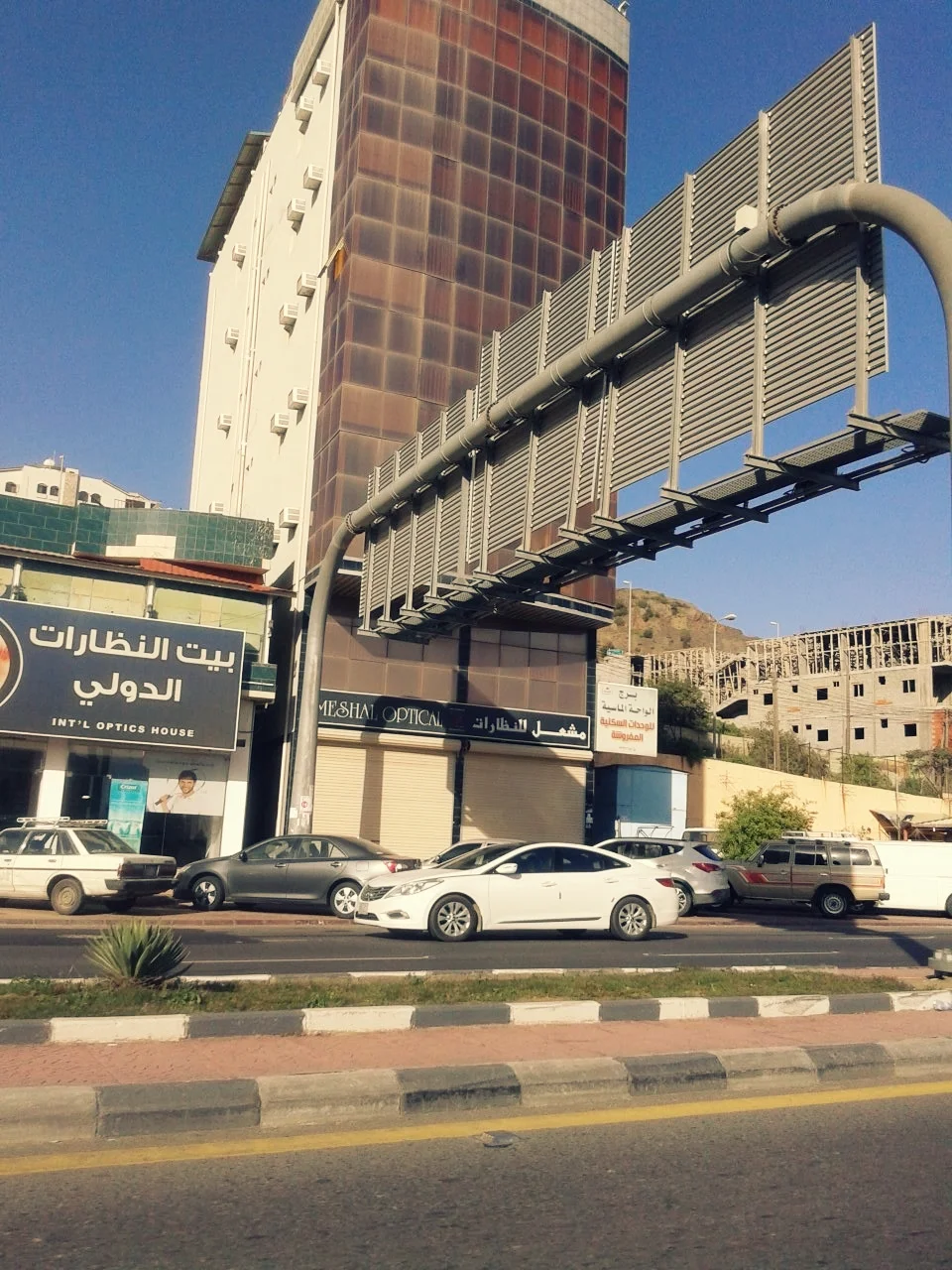

Al-Baha
At 2,500 meters, the air is noticeably thinner. Winters here bring frost and fog, not heat - an inversion of every expectation people carry about Saudi Arabia. Al-Baha sits on the spine of the Sarawat Mountains in the western Hejaz, a city of about 340,000 across the surrounding province and its core towns. Somebody somewhere in the Hejaz started calling it the Pearl of Resorts, and the name stuck. The Sharif of Mecca had another phrase for it: the Garden of the Hejaz.
Between Two Worlds
The geography is almost theatrical in its contrasts. The province divides into three bands running roughly north-south. To the west lies the Tihamah, a coastal lowland where the summer air is hot and saturated and the rainfall averages are anemic. To the east rise the eastern hills, 1,550 meters and higher, with sparse vegetation and extreme temperature swings. Between them sits Sarah - the true highlands, where juniper forests grow and annual rainfall reaches 229 millimeters. Only 25 kilometers separate the hot coast from the cool peaks, a distance a determined hiker could cover in a long day, passing through multiple climate zones while the temperature drops 15 degrees. The city of Al-Baha itself sits in the highlands. That altitude is why the city exists as a resort: when the rest of the kingdom swelters, Al-Baha's summer afternoons hover near 23 degrees Celsius.
The Qasaba Puzzle
Traditional Al-Baha architecture centers on the qasaba - stone towers scattered across the highlands that have puzzled outside observers for centuries. One 20th-century traveler put it bluntly: the right position for a watchtower, on a hilltop, is the wrong place for a keep or a granary. And yet the towers clearly served all three purposes at different times and in different villages. Perhaps each family or clan built according to local need, adapting a stone vocabulary to whatever threat or harvest the year demanded. Walking through the older quarters, you can see these stubby towers embedded in village walls, their windows narrow, their footprints square, their stones fitted without mortar. They are the architectural signature of a region that governed itself through tribes - Ghamid and Zahran, both branches of the ancient Azd - long before it became a province of Saudi Arabia in 1925.
The Marble Village
Twenty-four kilometers southwest of the city, across the steep switchbacks of Aqabat al-Baha, sits Thee Ain. Locals call it the marble village because it is built - literally built - on a small outcrop of white marble. The escarpment road reaching it cuts into tunnels and out again, climbing and descending through mountain walls. At the top waits a village about 400 years old, its stone houses stacked one above the other, palm trees growing thick below thanks to a spring that flows continuously from the mountains into a series of named reservoirs. A local legend explains the name Thee Ain - the word ain means water spring in Arabic - with the story of a man who lost his cane, tracked it through the valleys, and gathered the villagers to dig for it where the spring later appeared. Villagers say that at sunset the marble seems to glow. In summer bananas still grow where they have grown for generations. The village fought off Ottoman Turks in these same stone lanes.
The Path to Saba
The people of Al-Baha trace themselves to something older than Saudi Arabia, older than Islam. Local tradition holds that the Ghamid and Zahran tribes descend from the ancient Mamlakat Saba, the Kingdom of Sheba, whose reach is said to have extended as far as Syria and Lebanon, and whose offshoots founded Axum in what is now Ethiopia. Whether history or legend, the claim captures something true about this province: its position on trade routes that carried frankincense and stories from South Arabia northward for millennia. Post-World War I, the village of El-Zafir served as the administrative center of what was then called Belad Ghamd. The Saudi government reorganized the tribes as a unit in 1925, moving the seat of local government to Baljurashi, 15 miles south. Prince Husam bin Saud has served as governor since April 21, 2017.
A Green Kingdom
Al-Baha is home to more than 53 forests. Raghdan, Ghomsan, Fayk, and Aljabal - names that sound more like poetry than park reserves. In a country defined in outside imagination by deserts, these juniper groves come as genuine surprise. Arabian leopards, critically endangered now, once roamed these slopes. Pilgrims from across the Gulf still arrive in summer, seeking the cool. The climate that made Al-Baha a refuge in the age of camels makes it a weekend destination in the age of highways. The city that grew out of a village chosen for tribal balance has become a place where the country comes to catch its breath.
From the Air
Al-Baha is a mountain city centered at 20.013 N, 41.468 E, sitting at approximately 2,500 m elevation on the Sarawat escarpment. King Saud Domestic Airport (OEBA) at Al-Aqiq serves the province with domestic flights. Taif International (OETF) lies to the north, Abha International (OEAB) to the south. Expect severe terrain, orographic cloud on the western escarpment, and potential winter thunderstorms and fog as Red Sea air is lifted over the cliffs. Summer visibility is typically excellent.
Nearby Stories
- Battle of Kunfuda Bay 66 km away
- Bareq 85 km away
- Battle of Turubah 110 km away
- Siege of Ta'if 123 km away
- Dhorm Mountain 139 km away
- Ta'if 151 km away
- First and second battles of El Teb 347 km away
- Najd 488 km away