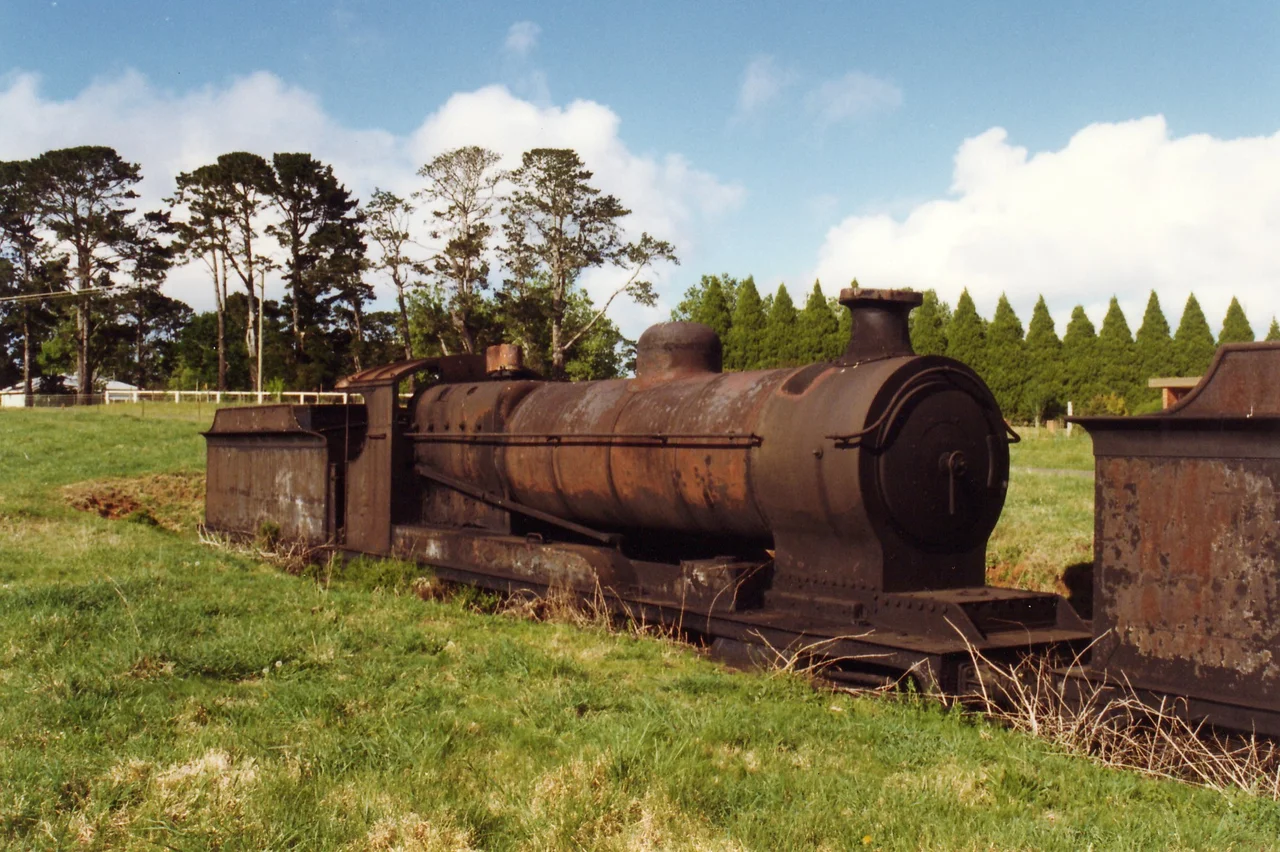

Dorrigo Steam Railway and Museum
It is one of the largest railway collections in the southern hemisphere, and almost nobody is allowed to see it. At the end of a long-closed branch line in the small plateau town of Dorrigo, dozens of locomotives stand in long silent rows: steam giants, diesels, electrics, and carriages by the hundred, gathered over half a century. The museum opened, briefly, in 1986. Ever since, it has carried the same strange description, 'not yet open to the public.' Behind that phrase lies a tangle of ambition, a mountain railway, and a fight over who owned it all.
A Branch Line Worth Saving
The whole enterprise grew out of a closure. In 1972, flood damage shut the Glenreagh to Dorrigo branch line, a steep, scenic 69-kilometre railway that had climbed the range from the coastal lowlands up to the plateau. A year later, enthusiasts formed what became the Dorrigo Steam Railway and Museum with a simple, ambitious aim: restore the line and run it as a tourist railway through the mountains. While the track was repaired, rolling stock was gathered and stored, the beginnings of a collection that would grow far beyond a single branch line.
The First and Last Trains
For a few years it almost worked. On 20 December 1984, the first section reopened, a locomotive hauling a train up from Glenreagh once more. On 5 April 1986 the line was opened all the way through to Dorrigo, two steam locomotives bringing 300 members over the final stretch to the terminus. The track still needed work, completed that October, but the dream of a working mountain railway had, for one season, become real. Then it stopped. A faction within the membership launched legal action over who owned the collection, the line slid back into disrepair, and the trains never ran in regular service. The dispute was not resolved until February 1999.
Giants in Storage
What the dispute froze in place was extraordinary. By 2017 the collection numbered some 75 locomotives, 19 railmotors and 280 carriages and wagons, the largest private railway collection in the southern hemisphere. It spans the whole story of New South Wales rail, government and private, from 1878 to 1985. Among the steam locomotives are two of the AD60 class Beyer-Garratts, articulated monsters weighing around 260 tonnes, the largest locomotives ever to run in the southern hemisphere. They sit now in long lines on the plateau, sleeping machines that once hauled the heaviest trains in the country.
The Museum That Waits
There is something haunting about a collection this vast that the public cannot freely walk through. The diesels and electrics that replaced steam are here too, and the suburban carriages that once carried Sydney to work, all of it preserved at the quiet end of a dead-end line in cool, rain-soaked country. For decades the great hope has been the same: that one day the gates open, the rust is beaten back, and the largest railway collection in the southern hemisphere finally becomes a museum in full. Until then, Dorrigo holds, in trust and in silence, a complete century of Australian railways.
From the Air
The Dorrigo Steam Railway and Museum sits at 30.33 degrees south, 152.71 degrees east, on the northern side of the town of Dorrigo on the New England plateau at roughly 730 metres elevation. From the air the site is recognisable by long parallel lines of stored carriages and locomotives, an unusually large rail yard for so small a town, with green dairy pasture all around and the dark escarpment rainforest of Dorrigo National Park to the east. Recommended viewing altitude is 2,500 to 4,000 feet AGL. The plateau is frequently misty and is among the wettest areas in New South Wales, so expect low cloud after rain. Nearest airport is Coffs Harbour (YSCH) about 50 km east on the coast; Armidale (YARM) lies to the west across the tablelands.
Nearby Stories
- Wollomombi Falls 29 km away
- South West Rocks Pilot Station Complex 43 km away
- Guy Fawkes River National Park 44 km away
- Glen Innes Showground 58 km away
- Angourie, New South Wales 65 km away
- Apsley Falls 68 km away
- Yamba, New South Wales 98 km away
- SS Elingamite: Gold, Fog, and a Captain Wrongly Blamed 1803 km away