
Formosan Aboriginal Culture Village
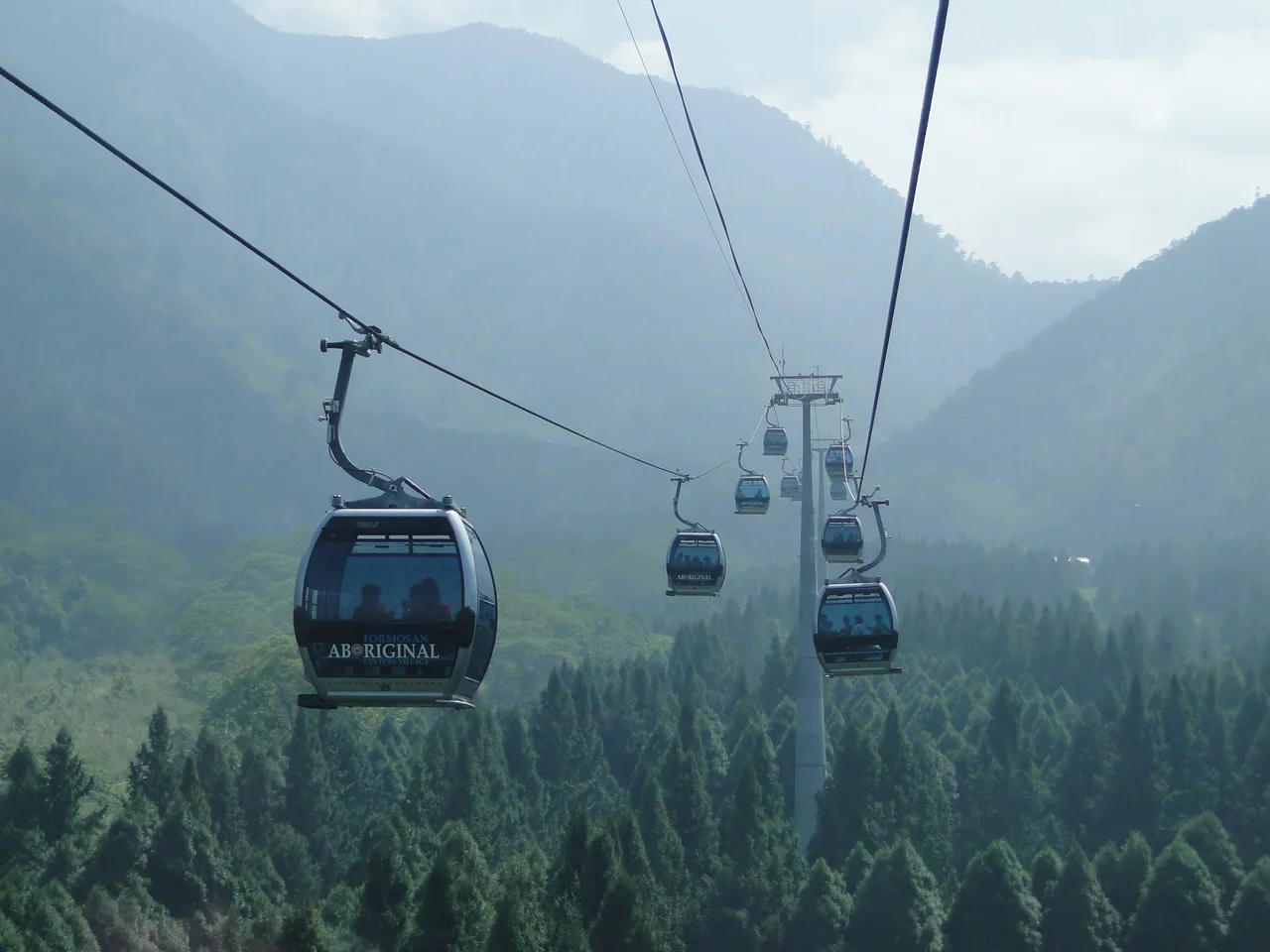
A cable car glides over the treetops of Nantou County, carrying visitors from a zone of European-style fountains and Gothic spires to a hillside where nine reconstructed indigenous villages cling to the slopes above Sun Moon Lake. The juxtaposition is deliberate and strange and somehow works. Since 1986, the Formosan Aboriginal Culture Village has occupied this unlikely intersection of theme park and ethnographic museum, where you can ride Taiwan's tallest free-fall tower in the morning and watch Truku weavers at their looms in the afternoon. It is a place that resists easy categorization -- and that tension between spectacle and preservation is exactly what makes it worth the visit.
A Visionary's Gamble
In 1982, an entrepreneur named Jung-i Chang purchased a tract of forested hillside in Yuchi Township, deep in Taiwan's mountainous interior. His vision was unusual for the era: a theme park that would celebrate Taiwan's indigenous cultures alongside world-class amusement rides. Four years of construction later, the park opened in July 1986 with two components that seemed to have nothing in common -- a European-style garden and an aboriginal culture village. The amusement park section, branded "Amusement Isle," followed in 1992, adding thrill rides built by German manufacturer Mack and Italian company Zamperla. Chang's bet was that Taiwanese families would come for the roller coasters and stay for the culture. It worked. The park became one of central Taiwan's most visited attractions, drawing millions of visitors into the mountains of Nantou County.
Nine Villages on a Hillside
The Aboriginal Village Park, the largest outdoor museum in Taiwan, spreads across the forested slopes above the amusement area. Nine distinct villages represent nine indigenous tribal communities, each reconstructed from fieldwork and architectural blueprints drawn up by anthropologists during the 1930s and 1940s. These are not stage sets. The village employs members of the nine represented tribes, who engage visitors in living history -- sculpting, weaving, pottery making, cooking, and performing traditional dances in the Culture Square. During performances, dancers invite audience members onstage, turning spectators into participants. Taiwan's first cable car system, built by Austrian company Doppelmayr, transports visitors from the lower amusement area to the village, the ascent itself offering panoramic views of the surrounding mountains. The shift in atmosphere as you rise from the noise of the rides to the quiet of the hillside villages is striking.
Europe in the Mountains
The European Garden is the largest of its kind in Taiwan, and it makes no apologies for its ambition. A Gothic clock tower anchors the landscape, flanked by a Roman fountain, a miniature train circuit, and a building called the Ritz Palace. The garden paths incorporate aboriginal-inspired patterns into their design, a quiet acknowledgment that this European fantasy sits on indigenous land. The overall effect is dreamlike, especially during cherry blossom season when lamplights are placed on each tree, bathing the formal gardens and clock tower in warm light. It is a strange and beautiful collision of cultures -- European formality layered onto subtropical forest, all of it a few minutes' walk from villages where people have been weaving textiles for thousands of years.
Thrill Rides and Log Flumes
Amusement Isle delivers the adrenaline. The Gold Mine Exploration log flume, built by Mack for a billion New Taiwan dollars, features a 50-foot final drop. The Caribbean Adventure water coaster ups the ante with a backwards section and a 100-foot plunge. A Gaudi-inspired area called Spanish Coast houses a rapid river ride and a monorail. Indoors, Aladdin Square offers its own version of Space Mountain alongside carnival games and fair rides. The rides are genuinely impressive by international standards, and the park's mountain setting -- surrounded by forested peaks and subtropical vegetation -- gives the experience a character that flat-ground theme parks cannot match. You are always aware of the landscape here, of the green slopes pressing in from every direction.
From the Air
Coordinates: 23.868°N, 120.948°E, in Yuchi Township, Nantou County, central Taiwan. The park sits in mountainous terrain near Sun Moon Lake, one of Taiwan's most recognizable landmarks from the air. The cable car system and European garden structures are visible from lower altitudes. Nearest airports: Taichung (RCMQ), approximately 60 km to the northwest. The surrounding area is heavily forested mountain terrain with limited flat ground.
Nearby Stories
- Changhua Roundhouse 4.7 km away
- Beidou, Changhua 8.8 km away
- 1951 East Rift Valley Earthquakes 11 km away
- Kagi Shrine 14 km away
- 2021 Hualien Train Derailment 16 km away
- Yushan Weather Station 17 km away
- Hehuanshan 20 km away
- Mavulis Island 273 km away