
Lyme Bay Canoeing Disaster
They were teenagers from a Plymouth comprehensive school, on a Monday-morning kayak trip that was meant to take about an hour and a half. Eight children, their teacher, and two instructors set out from Lyme Regis at around ten o'clock on 22 March 1993, heading east along the Dorset coast toward Charmouth. The water was cold. The wind was offshore. By that evening, four of the children were dead: Dean Sayer, Claire Langley, Simon Dunne and Rachel Walker. The disaster changed the law in Britain. But before it became a law, it was the shortest, worst day of a lot of parents' lives.
A Two-Mile Trip
The route looked simple on a map. From the harbour at Lyme Regis along the Jurassic Coast to the beach at Charmouth is about two miles, and on a kind day in summer it would be a beautiful paddle - red and grey cliffs on one side, gentle bay on the other. But March is not summer. The sea off Lyme Bay in late March averages around nine degrees Celsius, cold enough that someone immersed without good protection has perhaps a few hours before hypothermia takes hold. The wind that morning was from the north - blowing offshore, away from the safety of the beach. The instructors knew none of this with the precision it required. They had radios that did not work. They had no flares. They had not filed a route plan with the coastguard. Karen Gardner, Tony Mann, and the eight children were on the water without anyone ashore knowing where to look for them.
When the Sea Took Them
Dean Sayer's kayak capsized close enough to the shore that he could stand. He was helped up; the group regrouped; they pressed on. As the wind pushed them away from the cliffs and into open water, more kayaks capsized. The instructors tied the surviving boats together - rafted them - which can keep a group from drifting apart but cannot keep cold water from doing its work. The handyman waiting at Charmouth grew worried and raised the alarm only late in the afternoon. By then the group had been in the water for hours. When a Royal Navy helicopter finally found them, scattered across a wide stretch of Lyme Bay, the four children who died had been in the sea long beyond any margin of safety. The survivors remembered the cold and the waiting. One of the fathers later spoke of his daughter's anger that no one had come.
The Letter That Foretold It
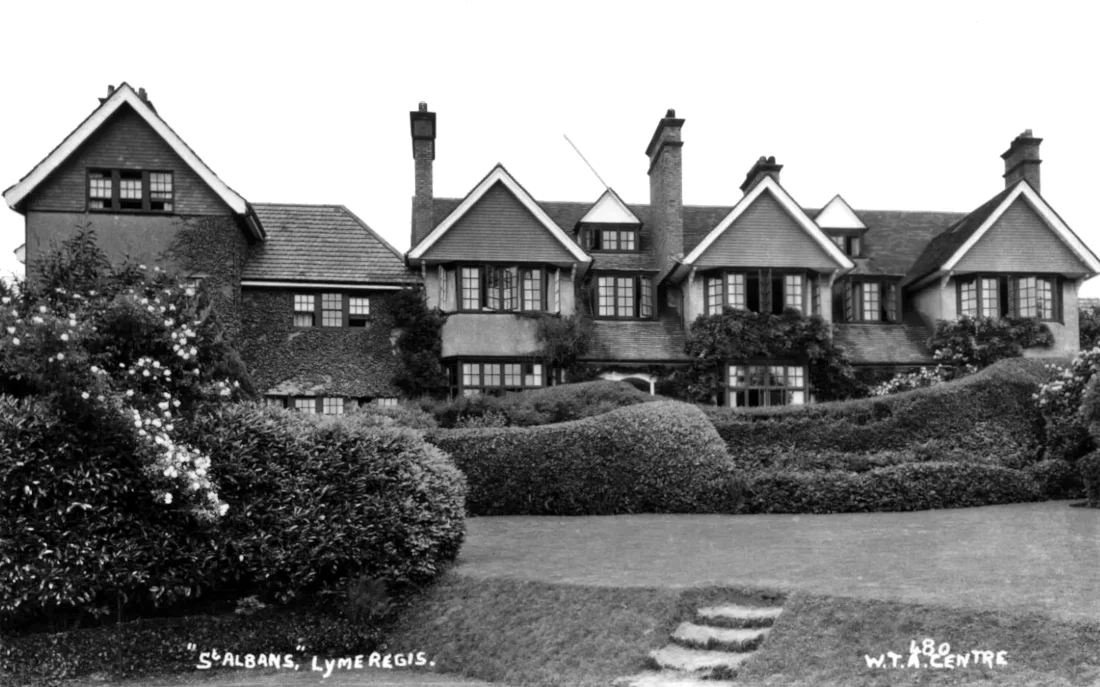
Months before the trip, a former employee of the St Albans Outdoor Centre had written to the managing director, Peter Kite, warning that the centre was running activities beyond its safe capacity. The letter ended with a sentence that would later be read in court: "You might find yourselves trying to explain why someone's son or daughter will not be coming home." Kite was convicted of manslaughter by gross negligence in December 1994 - the first time a director of a company had been convicted of corporate manslaughter in England - and sentenced to three years. The sentence was reduced on appeal and he was released after fourteen months. The centre had already closed; its lease was surrendered, its site eventually demolished in 2016 to make way for housing. There is now no building to point to. There are only four names.
The Act That Followed
Outdoor education in Britain had been self-regulating. After Lyme Bay, that stopped. David Jamieson, a Labour MP from Plymouth - the children's own city - introduced the Activity Centres (Young Persons' Safety) Bill, and it passed through Parliament in January 1995. The new law created the Adventure Activities Licensing Authority, working under the Health and Safety Executive, with the power to inspect, license, and shut down outdoor centres that took children climbing, kayaking, caving, or onto open water. It is a quiet kind of legacy: a body of inspectors, a clipboard, a checklist. But a generation of British schoolchildren has now grown up on residential trips and adventure weekends under that system, and in the thirty-plus years since the law passed, nothing on the scale of Lyme Bay has happened again. Dean, Claire, Simon and Rachel are why.
From the Air
Lyme Bay opens between Lyme Regis and Charmouth on the Dorset coast at roughly 50.70 degrees north, 2.90 degrees west, along the western edge of the Jurassic Coast UNESCO World Heritage site. From the air the bay shows as a wide curve of cliffs and shingle, with the Cobb harbour at Lyme Regis a distinctive curved breakwater. Cruising altitude 2,000-4,000 feet gives a good view of both town and bay. The nearest major airfield is Exeter International (EGTE), about thirty nautical miles west; Bournemouth (EGHH) sits roughly forty nautical miles east. Channel weather can change quickly - the same offshore northerly winds that contributed to the disaster still funnel down from the Dorset hills in spring.
Nearby Stories
- Exeter Cathedral 1.5 km away
- Dorset Museum 1.7 km away
- English Riviera Geopark 2.6 km away
- Sieges of Taunton 9.1 km away
- Stourhead 18 km away
- HMS Warrior (1917) 20 km away
- Exmoor 24 km away
- HMS Formidable (1898) 26 km away