
Madai Cave
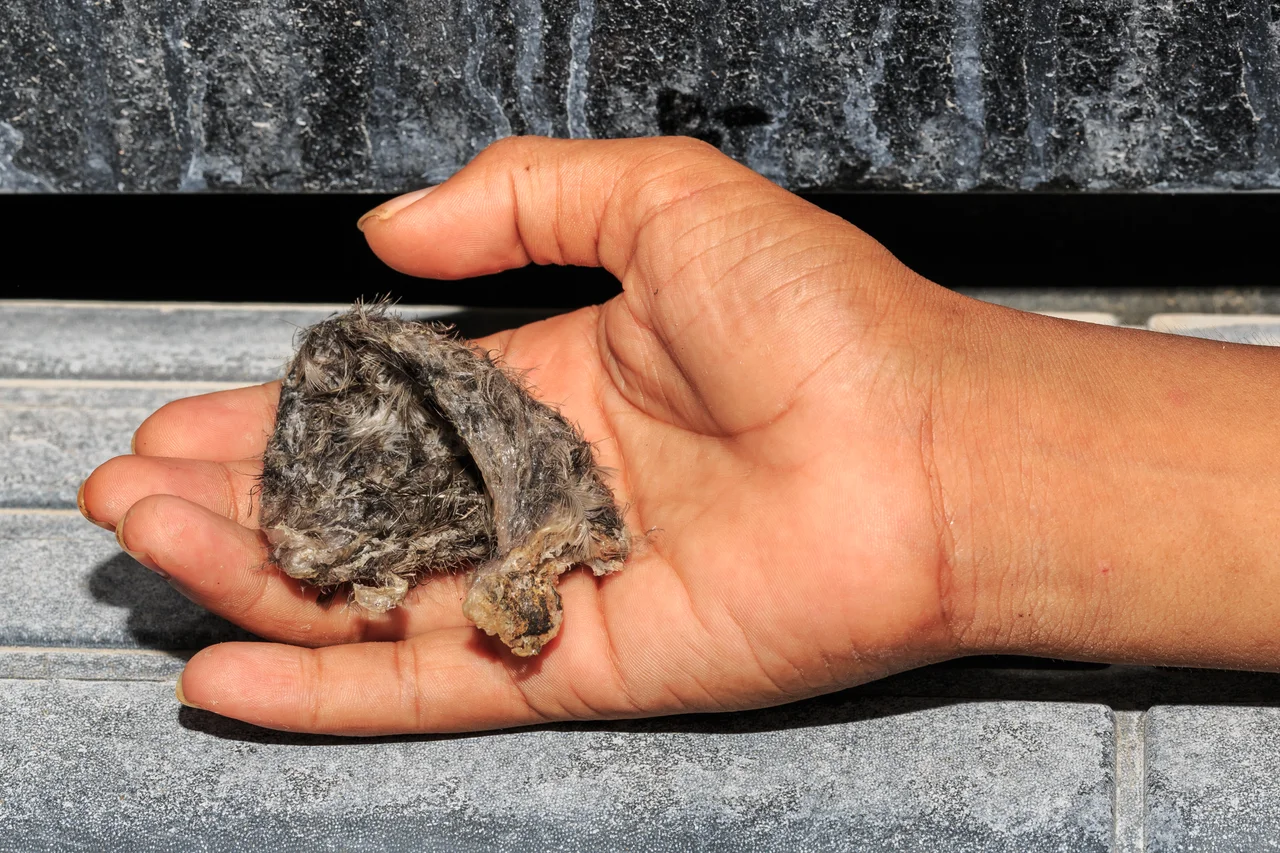
Twice a year, men climb into darkness. They scale rattan ladders lashed to bamboo poles, rising toward the ceiling of a limestone cavern in Sabah's Kunak District, reaching for something most of the world has never seen attached to rock: the nests of black-nest swiftlets, built from hardened saliva and worth their weight in silver. The Ida'an people have held harvesting rights to Madai Cave for over twenty generations. They do not eat the nests themselves. The harvest travels outward, through middlemen, to kitchens in Hong Kong and Singapore where bird's nest soup commands extraordinary prices.
Thirty Millennia Underground
Long before anyone climbed for nests, people sheltered here. Archaeological excavations along the Darvel Bay area at the Madai-Baturong cave complex, near the Tingkayu River, have uncovered stone tools and food remains dating back 20,000 to 30,000 years, marking the earliest known human settlement in northern Borneo. Old burial sites dot the cave as well, though the identities of those interred remain unknown to the villagers who live nearby. The limestone hills that house Madai Cave are part of the Baturong Madai Forest Reserve, a geological formation whose cliffs and hollows have been shaped by water and time into one of Sabah's most significant archaeological landscapes.
The Vertical Harvest
The harvesting season comes in two windows: February through April, and July through September. During these months, licensed collectors from the Ida'an community make their ascent using equipment that has changed little across centuries. Rattan ladders, ropes, and bamboo poles are bound together in configurations that look precarious and are. The climbers work by headlamp and instinct, prying nests from crevices high in the cave's vaulted ceiling. It is dangerous work. A fall from the upper reaches would be fatal, and the footholds are slick with moisture and bat guano. The demand comes largely from Chinese communities, peaking around Chinese New Year, when bird's nest soup is considered both a delicacy and a health tonic.
More Than Nests
The swiftlets share Madai Cave with large colonies of bats, and their combined droppings have created thick phosphate deposits on the cave floor. These too are harvested, collected for use as fertilizer. The cave is, in effect, a multi-layered resource: archaeological site, nest source, and mineral deposit, all occupying the same dark chamber. The ecosystem is delicate. Overharvesting of nests can collapse swiftlet populations, and the Ida'an's traditional management system, which limits collection to specific seasons and specific families, functions as a form of conservation whether or not it was designed as one.
Into the Spotlight
Madai Cave gained international attention in 2000, when it was featured on the American adventure race program Eco-Challenge. Competitors had to climb the cave's rattan ladders, a task that left seasoned athletes clinging and gasping where Ida'an harvesters move with practiced ease. The broadcast introduced millions of viewers to a practice most had never imagined, and to a cave whose significance runs far deeper than spectacle. For the Ida'an, the cameras came and went. The nests keep growing. The ladders keep going up.
From the Air
Located at approximately 4.72N, 118.15E within the Baturong Madai Forest Reserve in Sabah's Kunak District. The limestone hills are visible from the air as a distinct karst formation rising from lowland forest, roughly 48 km west of Lahad Datu. Nearest airport is Lahad Datu Airport (WBKD). Best viewed at 3,000-5,000 feet to appreciate the limestone ridge against the surrounding forest canopy.
Nearby Stories
- Pom Pom Island 8 km away
- 1985 Lahad Datu Ambush 13 km away
- Malaysia Airlines Flight 2133 25 km away
- Danum Valley Conservation Area 31 km away
- 2013 Lahad Datu Standoff 44 km away
- Ambalat 67 km away
- North Borneo 93 km away
- 2006 Southeast Asian Haze 117 km away