
The Mo Sheringham Museum
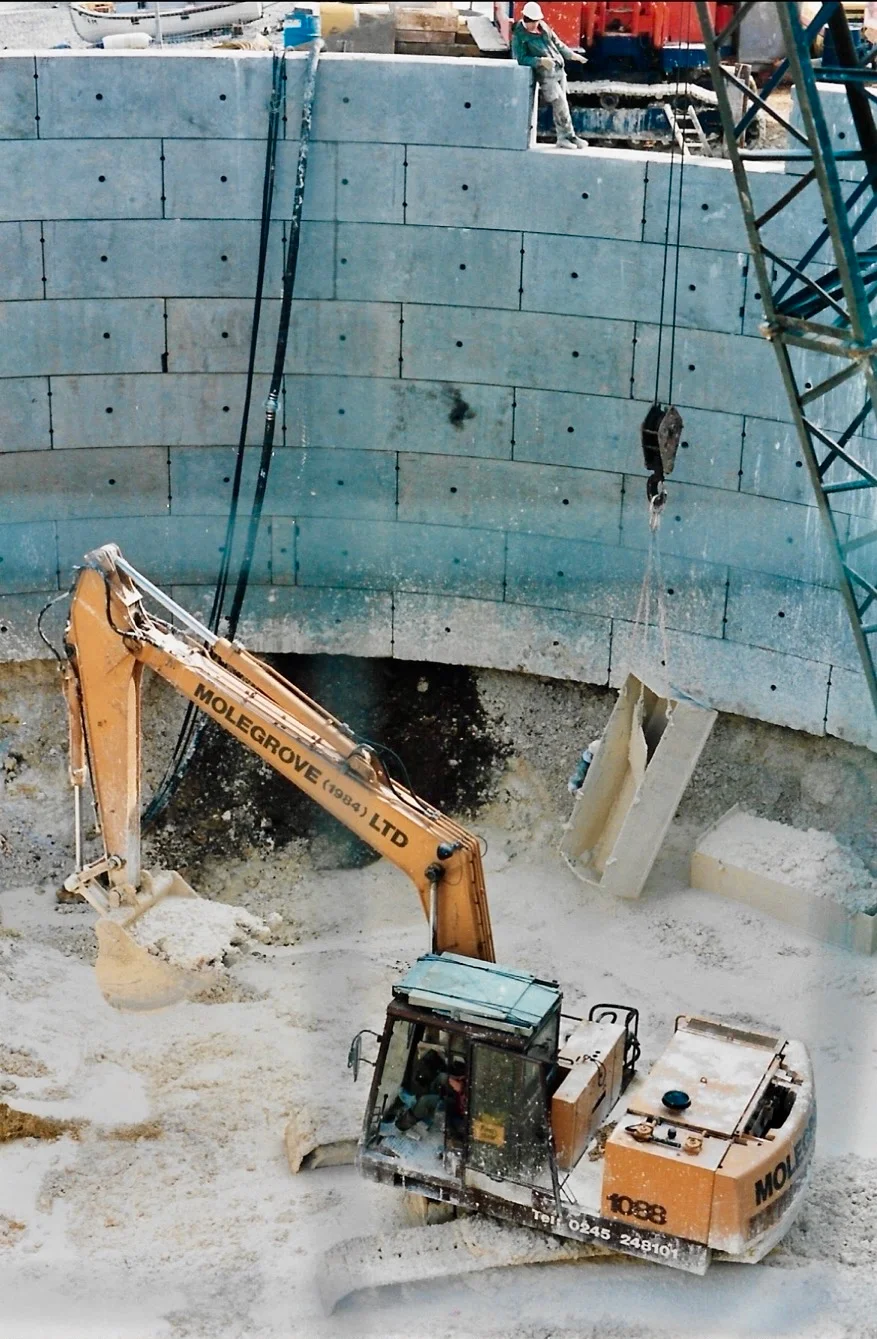
The museum stands on top of a giant tank of storm water. Anglian Water, needing somewhere to put a multimillion-pound sewerage scheme for Sheringham in the 1990s, built the new infrastructure underground and dropped an amenity building on the lid as part of the deal. For a decade the building sat empty. In 2009 the lease passed to the Sheringham Museum Trust, and in April 2010 a museum that had outgrown a row of fishermen's cottages reopened on a much larger scale. The new home is called The Mo, after Morag Pigott, born 1881, whose family had owned a house on the site until the army moved in to train troops in house-to-house fighting in 1940 and the place was pulled down. Sheringham has packed a great deal of history into a small footprint of land.
From Cottages to a Concrete Lid
The original Sheringham Museum was a charming muddle, spread across converted fishermen's cottages and washhouses behind the main street, the kind of small-town volunteer institution that wears its years lightly. As collections grew, particularly after the town acquired its third restored lifeboat, the cottages could no longer cope. The breakthrough came in 1996 when Anglian Water bought the cleared site of The Mo from North Norfolk District Council. The amenity building they constructed on the storm tank was leased to the council and stood empty until 2009, when council and water company agreed to hand the keys to the museum trust. The Mo opened in its new home in April 2010, with light-filled galleries, room for the lifeboats, and a sweeping view of the sea.
The Mo and Morag
The Mo took its name from a house that took its name from a girl. Morag Pigott, daughter of Sir Thomas Digby Pigott, was born in 1881 into the extended Upcher family whose estates dotted this stretch of coast. The house called The Mo eventually passed to Richard Frederick Hayward, a maritime lawyer and farmer awarded the Military Cross. He was the last owner. The army requisitioned it in 1940 for what was initially planned as defence against invasion but became, in practice, urban warfare training: troops smashing through walls and clearing rooms with bayonets. By 1946 the house was beyond repair and was pulled down. The site became a bandstand and a children's playground before it became a sewer tank. The name persisted through every transformation.
Scira's Home, By the Sea
Sheringham itself reaches back at least a thousand years and probably much further. There is evidence of Roman occupation and Viking settlement around the town. The name itself is thought to be Norse: Scira's home, a personal name from the Danelaw period when much of eastern England was governed under Scandinavian law and language. By the 18th century Sheringham was a fishing village. By the late 19th century, with the railway arriving and a new fashion for sea bathing, it began turning into a holiday resort. The two identities, fishing and tourism, never quite separated. The museum traces both: the gansey jumpers that fishermen and their wives knitted in distinctive Sheringham patterns, the holiday postcards, the lifeboats that bridged the two worlds.
Four Lifeboats Under One Roof
The collection of restored Sheringham lifeboats is what The Mo is best known for. There are four boats in the building and a fifth nearby, drawn from a town that lived and died by the sea for centuries. JC Madge, on display inside the museum, served Sheringham from 1904. Forester's Centenary worked the same coast from the 1930s. The Manchester Unity of Oddfellows came later, the kind of vessel paid for by friendly society subscriptions and named accordingly. Standing beside them, you can read the entire 20th-century evolution of British inshore lifeboat design, from heavy oar-and-sail self-righting pulling boats to motorised craft with diesel engines. Each boat saved lives. Several lost crew along the way. The Mo is now the lead body for the Gansey Heritage Network and a coordination point for Maritime Heritage East.
Looking Out at the Shoal
Built into the museum is the visitor centre for the Sheringham Shoal Offshore Wind Farm, switched on in 2012 some twenty kilometres offshore. From the museum's seaward windows the turbines are visible on a clear day, white masts on the horizon turning steadily in the same North Sea winds that drove the old herring drifters home in autumn and took some of them down in storms. The juxtaposition is hard to miss. The fishing fleet that built this town has dwindled to a handful of crab boats. The lifeboats have been retired into the building. The wind farm out beyond the breakwater represents a new way of working the sea, its visitor centre tucked among the gansey jumpers and the lifeboat brass.
From the Air
The Mo Sheringham Museum sits at 52.95N, 1.21E on the North Norfolk coast, on the seafront in central Sheringham. From altitude the town shows as a dense stretch of buildings between the cliffs to the east and the bay to the west, with the modern museum building distinguished by its position right above the beach. Norwich Airport (EGSH) is about 22 miles south. The Sheringham Shoal Wind Farm is visible offshore to the north.
Nearby Stories
- Castle Acre Castle and Town Walls 3.5 km away
- Brancaster 5.8 km away
- City of Norwich Aviation Museum 6.8 km away
- HMS Cobra 21 km away
- Alford Windmill 35 km away
- Battle of Lowestoft 83 km away
- SM U-97 95 km away
- Battle off Texel 119 km away