
Villavicencio
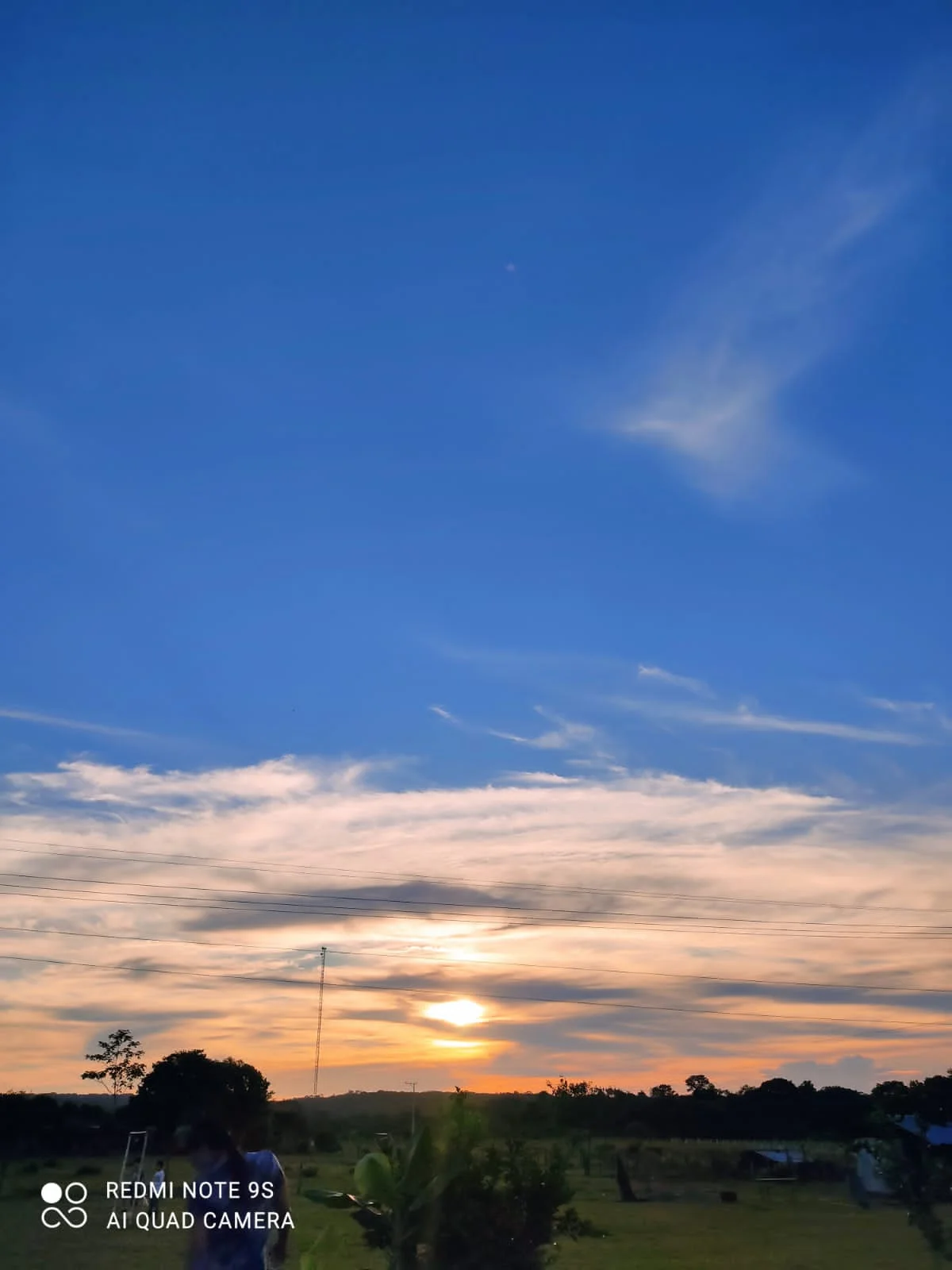
Two hours east of Bogotá the Andes simply stop. The highway you have been winding through pine forest and misty switchbacks drops suddenly off the eastern shelf of the Cordillera Oriental, and the land flattens into grassland that runs all the way to Venezuela - the Llanos Orientales, Colombia's vast eastern plains. Villavicencio sits exactly at that hinge. The mountains rise behind it; the horizon stretches in front. Locals call it La Puerta al Llano - the gate to the plains - and the city built around that gate has the distinctive swagger of a cowboy capital: harp music on the radio, beef smoking in round earthen pits, and an annual festival where women compete in cattle roping.
Where the Mountains End
The geography creates the culture. West of Villavicencio the Andes still dominate, and the climate is cool, the farming is dairy and potato, the music is Andean. East of Villavicencio everything changes. The plains take over, cattle outnumber people, the air stays warm year-round, and the music turns into joropo - a fast, foot-stamping genre played on harp, cuatro, and maracas that Colombia shares with Venezuela across a shared grassland culture. The Apiay oilfield just outside town makes this the country's main oil-and-gas producing municipality. The department of Meta, of which Villavicencio is the capital, accounts for less than 2 percent of national GDP, a figure that has barely moved since 1960 - but the city itself has grown fast on roads, restaurants, and the commercial hum of being the only real urban center in all that open country.
The Cowgirl World Championship
Every March, during Women's Month, the Concurso Mundial de la Mujer Vaquera fills Las Malocas Park for three days. The event is exactly what its name promises: a world championship for cowgirls. Competitors from Colombia, Venezuela, and beyond demonstrate skills that come straight out of llanero ranch life - milking under time pressure, horseback agility, saddling, rein handling. Top joropo musicians play between events. The festival honors a real tradition: llanera women have worked these ranches for generations, and the sport exists because the work exists. In July, the International Joropo Tournament takes over the city for five days, with competitions in voice, counterpoint singing, harp mastery, and maraca playing, alongside a beauty pageant drawing contestants from across llano country.
Mamona at the Bonfire
The smell hits first. In any ranch town across the Llanos, on any weekend, the bonfire goes up round and the veal goes on - not grilled flat but speared on wooden stakes angled around the fire, salted with nothing but salt and beer, roasting slowly for hours until the meat pulls apart with your fingers. This is carne a la llanera, known more commonly as mamona. The name refers to the cut: veal from a calf still suckling, tender in a way ordinary beef cannot match. Served with cassava, potatoes, and plantain, and eaten with the hands, mamona anchors every birthday party, wedding reception, and festival in Villavicencio. The Joropodromo district, the city's parade avenue during festival weeks, fills with the smoke of a dozen simultaneous pits.
Christ Over the City
On El Redentor hill above Villavicencio, a thirty-meter Christ the King statue stands with arms outstretched, looking down on the valley. Cristo Rey was built as a plea for peace during the violent 1950s - the period Colombians call simply La Violencia, when partisan slaughter killed more than 200,000 across the country. The statue still serves as a lookout; the whole city spreads below it, with the green wall of the Andes behind and the plains rolling east toward infinity. Elsewhere around town, the Monument to the Founders marks the road toward Acacías with Colombian sculptor Rodrigo Arenas Betancourt's last major work. The Hacha Park, officially named for the novelist José Eustasio Rivera, honors the axe the first settlers used to clear these plains.
Rice Bread and the Amazonian Edge
The local bakery tradition is worth a stop. Pandebono and pandeyuca are common across Colombia, but Villavicencio's specialty is pandearroz - rice bread, made from rice flour and fresh curd cheese, baked into small golden rings with a faintly sweet edge. The Chamber of Commerce is petitioning for a Colombian designation of origin to protect it. Outside the city limits, the Los Ocarros Biopark showcases the fauna of the Orinoco basin: giant armadillos (the ocarros that give the park its name), Orinoco caimans, and spectacled bears. From here, the Orinoco flows east toward Venezuela, the Amazon lies south, and the whole continent seems to open at your feet.
From the Air
Coordinates 4.14°N, 73.63°W. Villavicencio sits at approximately 465 m elevation where the Cordillera Oriental drops abruptly into the Llanos Orientales. La Vanguardia Airport (SKVV) serves the city with daily flights from Bogotá (about 90 km west). From the air, the abrupt mountain-to-plain transition is unmistakable - a wall of green Andean ridges immediately west, then a flat horizon-filling grassland east. The 30-m Cristo Rey statue on El Redentor hill provides a useful visual landmark. El Dorado International (SKBO) at Bogotá is the main instrument approach reference to the west.
Nearby Stories
- Sabana Formation 36 km away
- Une 41 km away
- San Francisco, Cundinamarca 94 km away
- Sun Temple of Sogamoso 148 km away
- Battle of Vargas Swamp 179 km away
- La Macarena 188 km away
- San Vicente del Caguán 206 km away
- Operation Jaque 212 km away