.png)
Yellow Fever in Buenos Aires
In a painting now hung in Montevideo, a young woman named Ana Bristani lies dead on the floor of a Buenos Aires tenement. Her infant son, only a few months old, crawls toward her body still searching for her breast. The father's corpse rests on the bed behind them. Through the open door step two doctors of the People's Commission - men who would themselves soon die of the same fever they came to fight. Juan Manuel Blanes painted that room from life during the epidemic of 1871, the worst catastrophe ever to strike the city, a season when a single mosquito remade Buenos Aires and killed roughly one in twelve of the people in it.
Three Cases in San Telmo
It began quietly. On 27 January 1871, three cases of yellow fever were diagnosed in San Telmo, a dense southern neighborhood packed with tenements. The fever had likely traveled south with Argentine soldiers returning from the Paraguayan War, by way of Corrientes, where some 2,000 had already died. Buenos Aires in 1871 was a city primed for disaster: no sewers, no running water, narrow streets, the creeks to the south fouled by the runoff of slaughterhouses, and shallow wells contaminated by the cesspools beside them. Doctors warned the city commission of an outbreak. The commission, more concerned with the upcoming Carnival, downplayed the danger and let the festivities proceed. By the time anyone listened, the disease was loose in the tenements and reaching for the rest of the city.
The Spring of the Dead
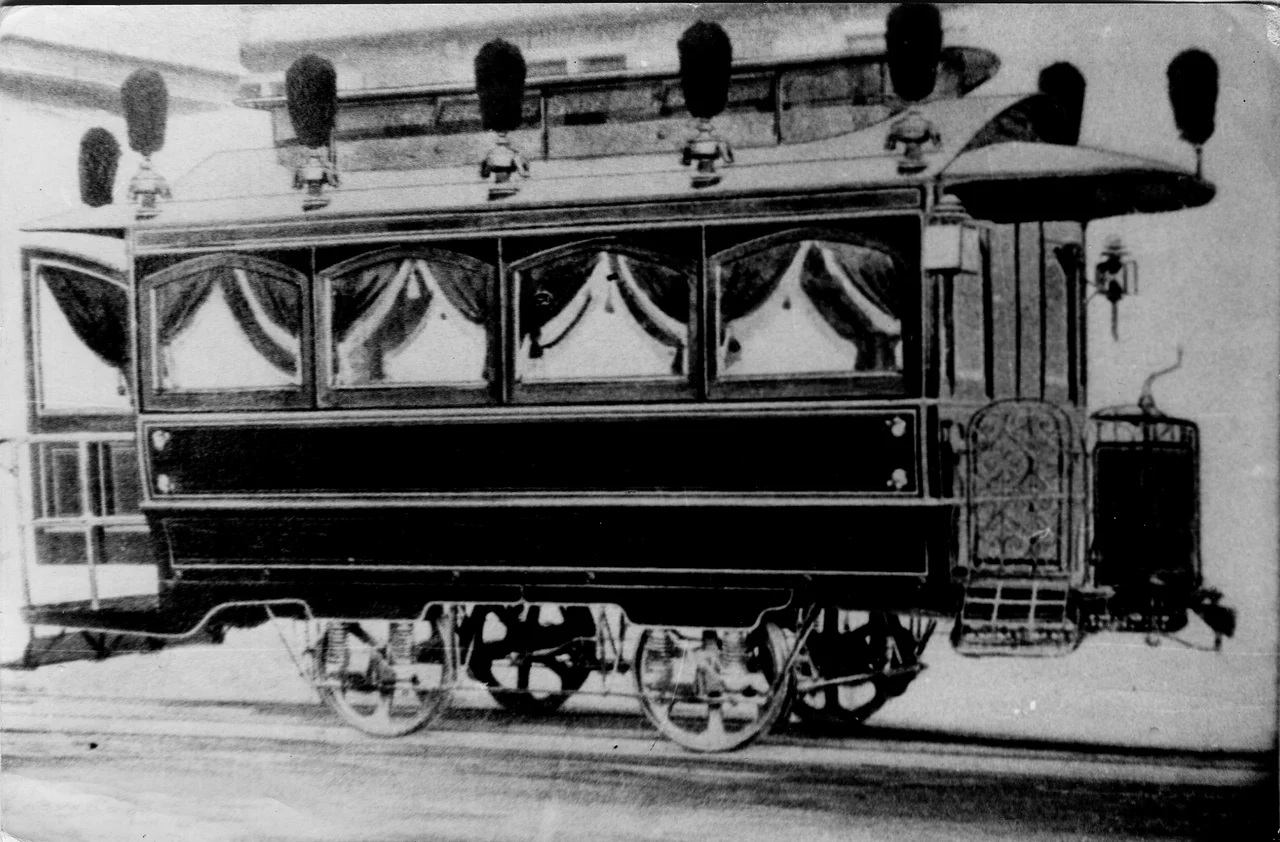
What followed overwhelmed every system the city had. By early March the dead numbered forty a day, then a hundred; the peak came on 10 April with 583 deaths in a single day, against a normal rate of around twenty. The city owned only forty funeral carriages. Coffins stacked in corners; when the carpenters themselves began to die, the dead were wrapped in cloth instead of wood. Garbage carts were pressed into funeral service. A railway ran two trips a day carrying nothing but corpses to a new cemetery hastily opened at Chacarita, where gravediggers died faster than they could be replaced and bodies waited by the hundred for a grave. Mardoqueo Navarro, who survived to write it all down in his diary, counted the dead by nation as well as name - Italians most of all, then Argentines, Spaniards, French, and hundreds more left unidentified.
The People Who Stayed
The suffering fell hardest on those with the least. The city's Black residents, crowded into the poorest quarters of the south, died in devastating numbers and were buried in mass graves; the epidemic is counted among the events that hollowed out Buenos Aires' Black community. Immigrants who spoke little Spanish could not understand why officials were burning their belongings or padlocking their homes, and the Italians who formed the bulk of the foreign population were blamed, unjustly, for carrying the plague. Yet against the flight of the powerful - President Sarmiento and his vice president among those who left - some chose to stay. The lawyer Jose Roque Perez led the People's Commission knowing it would likely cost his life; he wrote his will on taking the post, and died on 24 March. Dozens of priests, twelve doctors, and the Sisters of Charity stayed at their posts and died beside the people they tended.
A City Split in Two
By June the fever was gone, and it never returned. But it had redrawn the map. The wealthy who had fled the tenements of San Telmo and Montserrat did not come back; they built their new lives - and their grandest mansions - in the higher, healthier ground to the north, the area that took the name Barrio Norte and the cemetery district of Recoleta. The old southern homes were carved into conventillos, crowded tenements where dozens of immigrant families shared a single house. That divide between a working-class south and an elegant north still defines Buenos Aires today. The catastrophe also forced the city to confront its filth: clean water, sewers, and waste collection followed within the decade. Only one monument remembers the dead - a single column raised in 1899 in what was once the South Cemetery, now Parque Ameghino, marking the worst tragedy the city has ever known.
From the Air
The 1871 epidemic was a catastrophe of the City of Buenos Aires itself, on the Rio de la Plata at roughly 34.6 S, 58.4 W - well north of the rural Pampas coordinates this record is filed under, so navigate to the river city rather than the open grassland. The sites of the story cluster in the historic south: San Telmo, where the first cases appeared, and Parque Ameghino in Parque Patricios, the former South Cemetery that holds the 1899 monument and the graves of some 11,000 victims. From the air the city sprawls along the brown estuary, its colonial core and the Plaza de Mayo near the waterfront. The principal gateway is Buenos Aires Ezeiza / Ministro Pistarini International (ICAO: SAEZ), about 22 km southwest of the center, with the close-in Aeroparque Jorge Newbery (SABE) on the riverbank. For a city overview, 3,000-5,000 feet AGL traces the river edge and the north-south grid; haze and river humidity are common, so clear days best reveal the contrast between the dense southern barrios and the wide avenues of the north that the epidemic helped create.
Nearby Stories
- Piedra Movediza 22 km away
- Tandil 43 km away
- Aerolíneas Argentinas Flight 644 68 km away
- Tres Arroyos 126 km away
- Coronel Suárez 131 km away
- Lobos 175 km away
- Club Hotel de la Ventana 178 km away
- Los Toldos 201 km away