
Albufera Natural Park
The Muslims who ruled this coast called it al-Buḥayra - simply 'the lake' - and Arabic poets went a step further, naming it the Mirror of the Sun. Look across the Albufera on a still evening and you understand both names at once. Only a sandbar and a pine wood separate this vast sheet of water from the Mediterranean, yet the lagoon feels like a world apart: flat, luminous, and so shallow that the sky seems to lie down inside it. Just ten kilometres south of the city of Valencia, the Albufera is the largest lagoon in Spain, and one of the strangest landscapes in the country.
A Mirror a Metre Deep
For all its size - the lagoon covers nearly 24 square kilometres, wrapped in some 223 square kilometres of rice fields - the Albufera is astonishingly shallow, averaging less than a metre in depth and reaching only about 130 centimetres at its deepest. A narrow sandy bar called the restinga holds back the sea, stabilised by the pine forest of the Dehesa del Saler. The Romans knew the place as Nacarum Stagnum, the lake of mother-of-pearl. Today the whole wetland, 21,120 hectares of water, marsh, dune and forest, is a protected natural park, designated by the regional Generalitat Valenciana in 1986 after centuries of shrinking. The lagoon is now roughly a third of the size it was in the 1800s, when it stretched much closer to Valencia itself.
The Rice and the Table
The Albufera's flat mirror is edged by one of Europe's great rice bowls, and that is no accident of nature. Rice arrived here with the Arabs, and the paddies have been shaped by human hands ever since - farmers building up banks of silt, boat by boat, until stagnant water became fertile field. In 1250, fishermen from Ruzafa settled the island of El Palmar in the heart of the lagoon, and King James I of Aragon was so taken with their way of life that he granted them the right to remain. From these rice fields and this fishermen's culture came paella, the dish now synonymous with Valencia. The redondo and bomba rices grown here are still prized for it, absorbing flavour without turning to mush.
A Highway for Birds
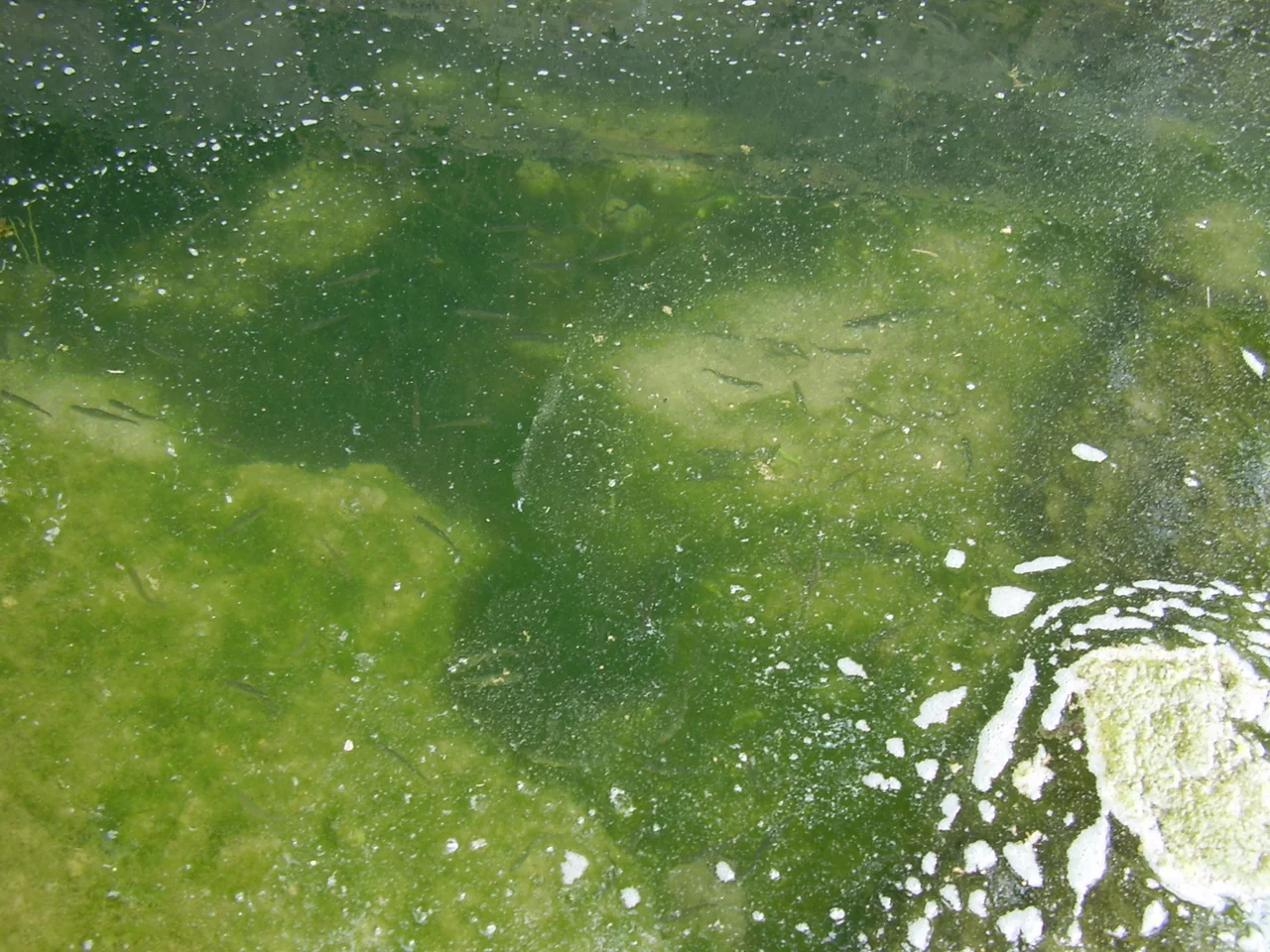
The Albufera is one of the most important bird habitats in the western Mediterranean, a migratory corridor where numbers reach a scale that is hard to grasp from the shore. In season the lagoon can hold up to 20,000 northern shovelers and 10,000 red-crested pochards, alongside mallard, and colonies of herons - cattle egrets, squacco herons, grey herons - stalking the reed beds. Terns and black-winged stilts work the shallows. Beneath the surface swim two tiny, endangered native fish, the fartet and the samaruc, survivors clinging on in a shrinking habitat. Special reserves now breed the samaruc in regenerated springs, an effort to keep a creature found nowhere else on Earth from vanishing entirely.
Kings, and a French Marshal
Because the lagoon was so rich in fish and game, it belonged for six centuries to the Crown, passing through the hands of king after king who kept a fifth of everything caught. Its strangest owner arrived with Napoleon's armies. Napoleon granted the French general Suchet the title Duke of the Albufera, and Suchet held the lake and its shores until 1818. State ownership followed in 1865, and finally, in 1911, the city of Valencia bought the lagoon and its forest - a purchase not fully completed until 1927, for just over a million pesetas. In one stroke, every citizen of Valencia became a part-owner of the Mirror of the Sun.
A Lake Under Pressure
In 1902 the Valencian writer Vicente Blasco Ibáñez set his novel Cañas y barro - 'Reeds and Mud' - among these marshes, capturing a hard, water-bound life of eels, boats and rice. That world still flickers on the lagoon, where sailors keep alive the tradition of the vela latina, the lateen-sailed boats that once carried people and goods across the water. But the Albufera is a fragile place. Pollution, siltation and the pressures of a growing region have left the water far murkier than it once was, when fishermen could see clear to the bottom. Protecting it is now a constant effort - to keep this shallow, luminous survivor alive for the birds, the rice farmers, and everyone who comes to watch the sun sink into its mirror.
From the Air
The Albufera lies at 39.296°N, 0.333°W, about 10 km south of the city of Valencia. From the air it is unmistakable: a broad, flat, silver-grey lagoon set inside a geometric quilt of rice paddies, separated from the Mediterranean by the narrow pine-covered sandbar of the Dehesa del Saler, with the island village of El Palmar near its centre and El Saler on the coast. Valencia (LEVC), at Manises just northwest, is the nearest airport - fittingly, planners once considered building it beside this very wetland before choosing Manises instead. Alicante–Elche (LEAL) lies well to the south, with Murcia (LEMI) farther still. A viewing altitude of 3,000–6,000 ft shows the lagoon and its paddy grid best; low sun makes the shallow water flash like the mirror the poets described.
Nearby Stories
- Convent of Santa Clara of Gandia 6.2 km away
- Monastery of Santa Maria, El Puig 12 km away
- Cova de les Dones 14 km away
- La Bastida de les Alcusses 25 km away
- Rock Art of the Iberian Mediterranean Basin 39 km away
- Illa Grossa 48 km away
- Illa de s'Espartar 73 km away
- Illa Conillera 81 km away