
Attempted Assassination of Augusto Pinochet
The road narrows here, hemmed in by rock on one side and a drop toward the river on the other. A vehicle towing a camping trailer had stalled across the lane, the kind of nuisance any driver might curse and steer around. Then the trailer's wall fell open. On the evening of 7 September 1986, at a bottleneck called the Cuesta de las Achupallas, roughly forty kilometers southeast of Santiago, two dozen members of the Manuel Rodríguez Patriotic Front opened fire on the motorcade carrying Augusto Pinochet back to the capital. For a few minutes in the Cajón del Maipo, the most powerful man in Chile was pinned in the open, and the dictatorship hung on the reflexes of a driver.
Operation 20th Century
The guerrillas called it Operación Siglo XX - Operation 20th Century - and they believed 1986 was the year the dictatorship could be ended. The plan was patient and precise. Pinochet spent weekends at El Melocotón, a country estate up the canyon, and the single road back to Santiago offered a chance the city never would. The death of former president Jorge Alessandri on 31 August forced a change of schedule, pulling Pinochet toward the capital sooner than expected. When the convoy reached the chosen curve, the ambush was waiting: roughly two dozen fighters armed with automatic rifles, homemade grenades, and ten M72 rocket launchers. The second car in the line erupted in flame. The whole canyon seemed to come apart at once.
The Men Who Died
Pinochet survived with cuts to one hand from flying debris. Five of his bodyguards did not survive at all, and eleven more were wounded. It is easy, in a story about a dictator, to treat those five as scenery - the unnamed escort whose deaths made the headline about the man who lived. They were soldiers doing the job assigned to them, killed in seconds on a mountain road, and their families buried them all the same. The general's armored Mercedes took thirty-eight hits that evening; not one round pierced the plating. His driver threw the car into reverse, swung it around under fire, and raced back toward El Melocotón. Steel and a steady hand saved the one man the guerrillas had come for.
Escape Down the Canyon
What the attackers managed next was almost theatrical. Reinforcements were already speeding up the hill toward the gunfire. So the guerrillas fled downward in vehicles fitted with red lights and sirens, and in the confusion the oncoming troops took them for fellow security forces and let them pass. The bottleneck that had trapped Pinochet now hid his attackers in plain sight. They vanished into Santiago, leaving behind the wreckage, the dead, and a regime that had just discovered how thin the line was between absolute power and a roadside grave.
The Reckoning
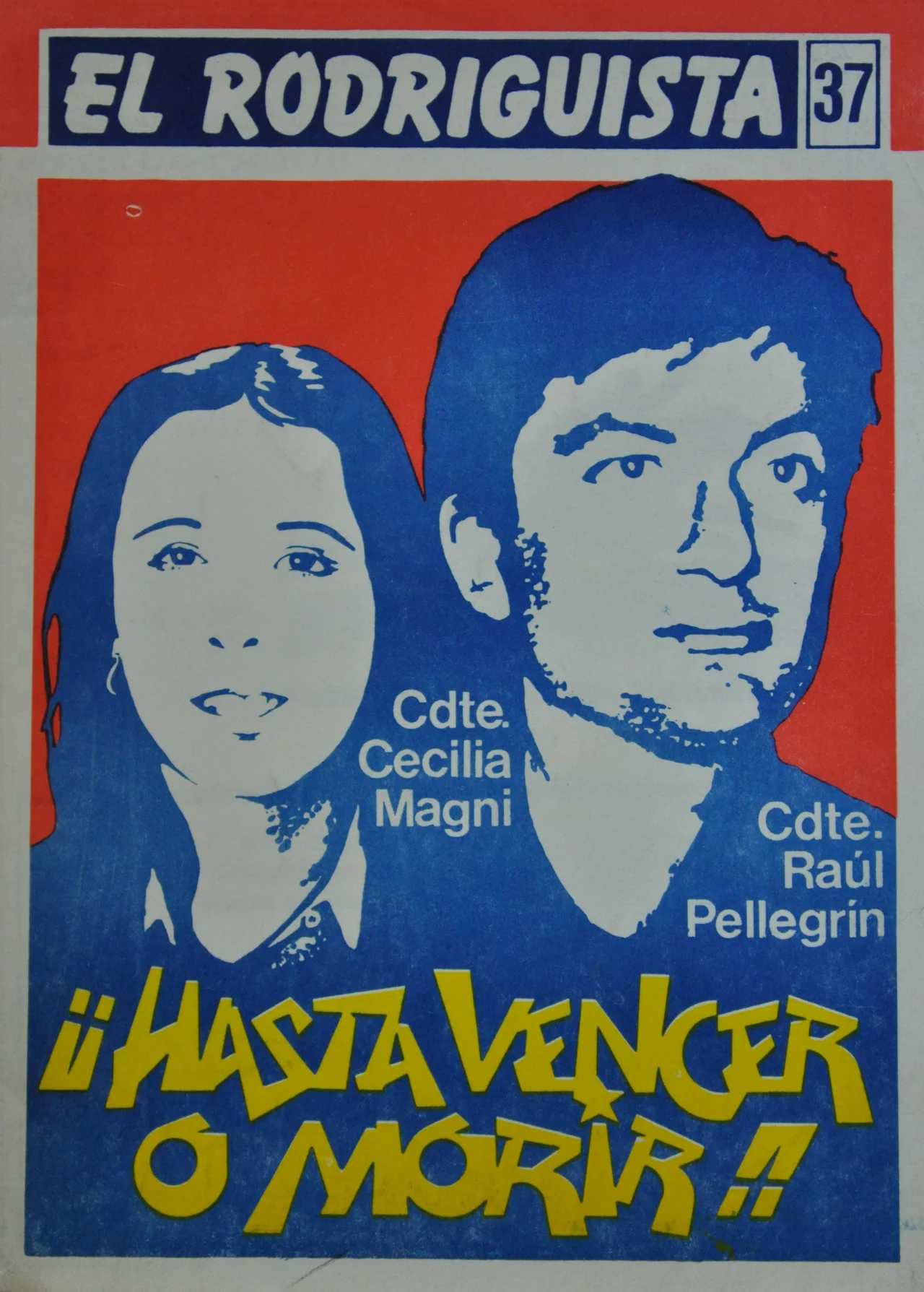
Pinochet answered the near miss with fury. A state of siege returned, and a wave of arrests and killings swept up dissidents who had nothing to do with the ambush. The fighters themselves met hard ends. Raúl Pellegrin and Cecilia Magni, two who took part, were dead within a couple of years; José Joaquín Valenzuela, the operation's field commander, was hunted down and killed in the security sweep known as Operación Albania. The dictator outlived nearly everyone who tried to stop him that night and held power until the democratic transition of 1990. Today drivers climbing the G-25 toward the reservoirs pass the spot without a marker, the curve looking like any other in the canyon.
From the Air
The ambush site sits in the Cajón del Maipo at roughly 33.59°S, 70.48°W, on the mountain road southeast of Santiago toward El Melocotón. Fly the canyon between 9,000 and 12,000 feet to trace the single thread of road squeezed between the Maipo River and steep Andean walls - the geography that made the spot ideal for an ambush. The nearest major airport is Santiago's Comodoro Arturo Merino Benítez (SCEL), about 50 km northwest; the smaller Eulogio Sánchez airfield (SCTB) at Tobalaba lies closer to the canyon mouth. Best light is morning, before afternoon cloud builds against the cordillera.
Nearby Stories
- Farellones 17 km away
- 1947 BSAA Avro Lancastrian Star Dust accident 19 km away
- 1945 El Teniente Mining Accident 23 km away
- La Campana National Park 55 km away
- Casa de Isla Negra 67 km away
- Uco Valley 77 km away
- La Frontera (Chile) 84 km away
- Pierre Auger Observatory 154 km away