
Battle of Wigan Lane
On Wigan Lane in Lancashire, on the afternoon of 25 August 1651, the Earl of Derby led three cavalry charges into the centre of a Parliamentarian line and could not break it. Each charge thinned his ranks further. By the third one, the Royalist horse was a shadow of what had ridden out from the town. When the Parliamentarian infantry finally arrived to support Colonel Robert Lilburne, what remained of Derby's men broke and ran. Sixty officers and gentlemen of the Royalist cause died in those hedgerows - among them Sir Thomas Tyldesley, Lord William Witherington, Sir William Throckmorton, and Colonel Matthew Boynton. The fighting lasted about an hour. It cost Charles II his throne.
The King's Last Gamble
Charles I had been executed in January 1649. His son was crowned Charles II at Scone in Scotland on 1 January 1651. Oliver Cromwell and the New Model Army had been beating the Scots steadily through 1650, but Charles took a desperate gamble in August 1651 - he crossed into England at the head of a predominantly Scottish army, heading for London. Lancashire was strongly Royalist in sympathy, and Charles hoped his presence would bring English Royalists to his standard. By 22 August he had reached Worcester, where he halted to wait for reinforcements. The most important of those reinforcements was a small force commanded by James Stanley, 7th Earl of Derby - recruits raised from the Isle of Man and Lancashire. Colonel Robert Lilburne, with regular Parliamentarian troops, was ordered to intercept them before they could reach Worcester. Lilburne had a company of foot from Manchester, two from Chester, and fifty or sixty dragoons. It was a small force against a small force.
Hedgerows and Confusion
On 25 August, Lilburne learned that Derby was marching towards Wigan and assumed the Royalists were retreating. He gave chase. When he reached Wigan he found the Earl's force in considerable strength - both infantry and cavalry - marching out of the town in the other direction, towards Manchester. Derby was not retreating. He was trying to destroy Cromwell's regiment of foot, which was advancing from Manchester to join Lilburne, before the two could unite. Lilburne's own infantry had not yet caught up with him. The terrain around Wigan was fields and hedges with narrow country lanes - terrible ground for cavalry. He decided to avoid fighting and wait for his foot. Then Derby, realising Lilburne's weakness, wheeled about and marched back through the town to hit him before reinforcements arrived. Lilburne had no choice but to stand. He deployed some of his cavalry on Wigan Lane and ordered the rest dismounted to line the hedgerows on both sides - turning the lane into a killing channel.
Three Charges
The Royalists came down Wigan Lane and were met with musket fire from the hedges. Derby divided his cavalry into two divisions of 300 men each. He took the vanguard himself and gave the rearguard to Sir Thomas Tyldesley - a veteran Royalist soldier who had fought from the beginning of the Civil Wars. Three times that afternoon Derby led charges against the centre of Lilburne's line. Each charge breached the line but failed to break it. Each charge cost more men. The hedgerows protected the dismounted Parliamentarian cavalry; the lane prevented the Royalists from spreading out to exploit any breach. By the third charge the Royalist ranks were thinned to the point of collapse. Then Lilburne's infantry arrived. The fighting lasted about an hour after that. Sir Thomas Tyldesley died on the field. So did Lord William Witherington, Sir William Throckmorton, and Colonel Matthew Boynton. Sixty more officers and men were killed or died of their wounds. Four hundred prisoners were taken. Sir Timothy Fetherstonhaugh, captured Royalist, was later court-martialled and executed. Derby himself escaped, badly wounded, with thirty horsemen and made it to Worcester to join Charles.
The Cost
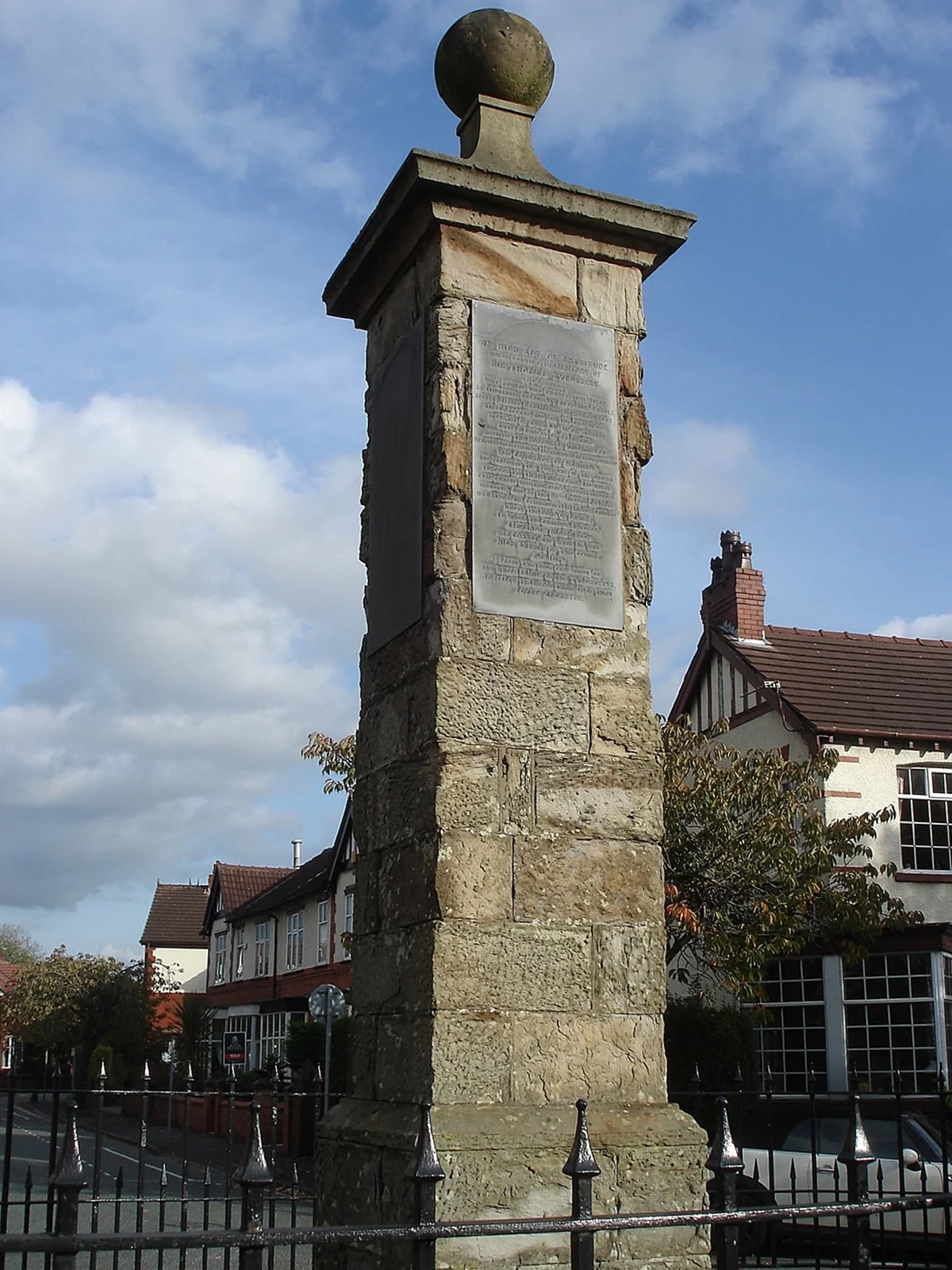
Wigan Lane mattered out of proportion to its scale. It was the only sizeable English Royalist force to attempt to join Charles at Worcester. Without it, Charles had no English reinforcement worth the name - just his predominantly Scottish army of about 15,000 men. Nine days later, on 3 September 1651, the Battle of Worcester ended in a decisive Parliamentary victory by a force nearly twice the size of Charles's army. The Third English Civil War was over. Cromwell's republic followed. Charles escaped to France and lived in exile until the Restoration brought him home in 1660. On the Isle of Man, the consequences were quieter and crueller. Of the 170 men conscripted from the island to ride with Derby, few returned. David Craine wrote in Manannan's Isle that those who did not fall in the fighting were hunted to their death through the countryside. For a small island, this was a generation lost - a multiple of normal mortality. The Earl of Derby himself was executed at Bolton on 15 October 1651. The Tyldesley Monument still stands at the site on Wigan Lane today, marking where Sir Thomas fell.
From the Air
The Battle of Wigan Lane site sits at 53.57N, 2.63W, just north of Wigan town centre in Lancashire. Best viewed at 1,500-2,500 feet - the historic battlefield is now urban, with the Tyldesley Monument on Wigan Lane marking the site. Manchester Airport (EGCC) lies 22 miles to the southeast. Liverpool John Lennon Airport (EGGP) is 20 miles to the southwest. The River Douglas runs through Wigan. The Pennines rise to the east.
Nearby Stories
- Delamere Forest 4.5 km away
- Macclesfield Canal 4.7 km away
- Top Withens 6 km away
- Moel Famau 13 km away
- Hoylake Lifeboat Station 14 km away
- Whalley Abbey 15 km away
- Brindley Water Mill 18 km away
- Piel Castle 30 km away