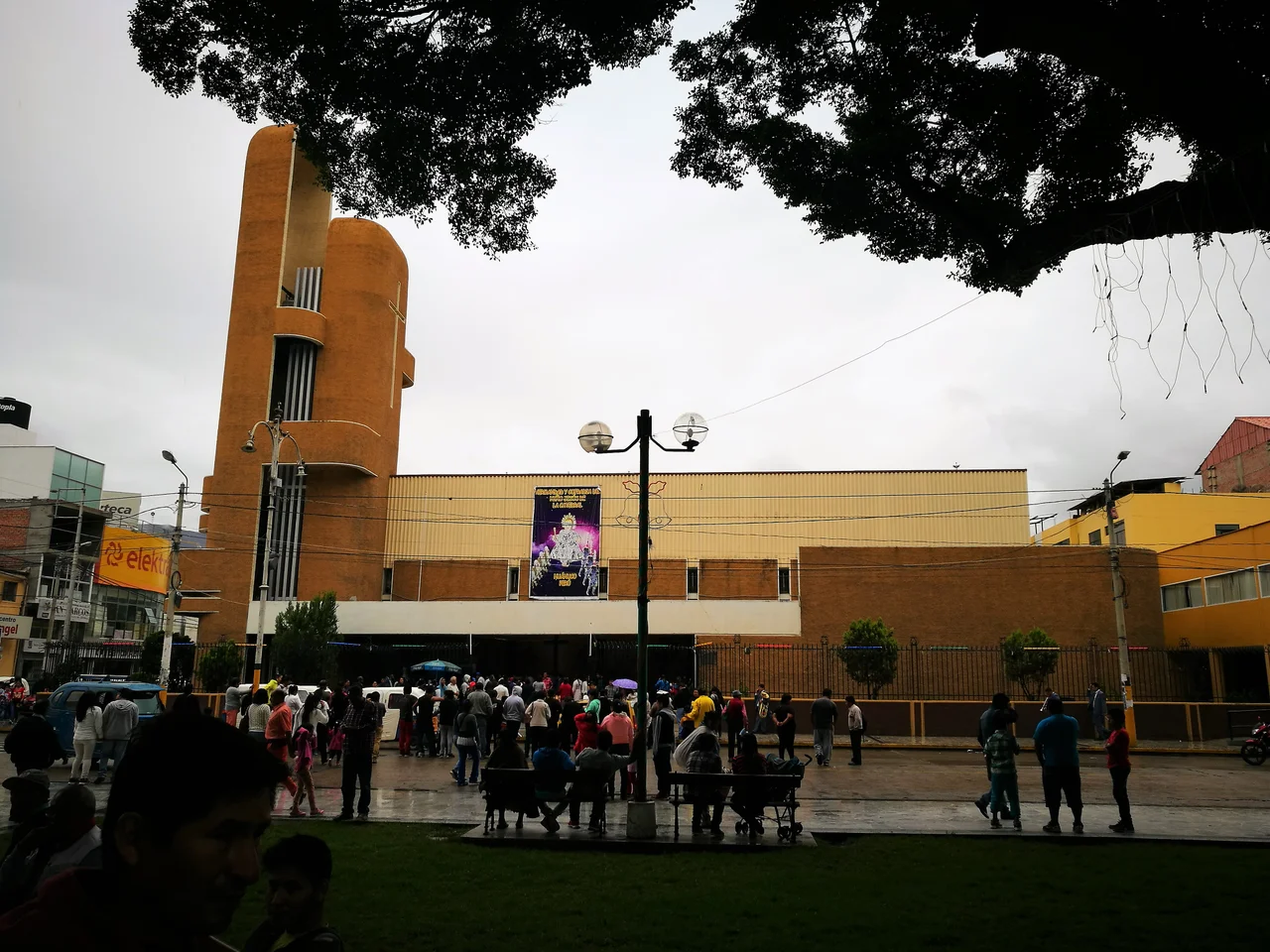

Huánuco
The Spanish founded Huánuco twice. The first time, on August 15, 1539, Gómez de Alvarado planted a city on the windswept plateau at Huánuco Pampa among the ruins of an Inca provincial capital. Within two years the conquerors gave up. The altitude was punishing, Illa Tupac's raiders were in the hills, and so in 1541 they moved the whole enterprise down into the Pillco Valley where the Higueras River meets the Huallaga. The second Huánuco took. Today it holds about 197,000 people and a reputation - however locally boosted - for one of the world's most pleasant climates.
Where Rivers Meet
Huánuco sits at 1,894 meters, well below the cold plateaus above it, in the temperate zone the Spanish called the Yungas - the eastern flank of the central Andes where the highlands start melting toward Amazonia. Two rivers thread through the city. The Higueras flows in from the northwest and joins the Huallaga, one of Peru's largest, which continues north and eventually drains into the Marañón. The valley is wide enough to breathe in, narrow enough to shelter, and the city walks along the Huallaga's banks as if the river were the reason the place exists. Which, in a sense, it is.
The City With the Best Weather
Huanuqueños will tell you their city has the best climate in the world, and they are not entirely wrong. The Köppen classification pegs it as BSh - mild semi-arid - and the numbers back up the boast. In the July-August winter, days hit 21°C and nights drop to a comfortable 17°C. Spring brings 30°C afternoons without the humidity that makes warmer places oppressive. The sun shines most days. The blue of the sky over Huánuco is the kind that travelers remember. Locals claim the dry, sunny air is good for asthma, and doctors have sometimes agreed. Whether it is the best climate in the world is a question of geography and loyalty. It is certainly among the most consistently pleasant.
Aclla, Mit'a, and the Long Memory
Before the Spaniards, this valley was Pillco, and the indigenous chronicler Juan de Santa Cruz Pachacuti Yamqui noted that it was one of the three most important sources of Aclla for Cusco - the chosen women whose woven cloth and brewed chicha held the Inca state together. The Yarowilca clan ruled here before the Inca absorbed the region. Gómez de Alvarado's 1539 foundation was contested almost immediately: Lima's city council protested the loss of jurisdiction, and Francisco Pizarro, pressured to keep his lieutenants in line, stripped Alvarado's commission and annulled the settlement altogether. Alvarado threatened to quit rather than lead a mere town. The refounding in 1541 gave Huánuco its permanent footing in the Pillco Valley.
The Soldiers and the Composer
Two figures from Huánuco shaped modern Peru. Mariano Ignacio Prado, born here in 1825, served twice as president and led Peru into the War of the Pacific before controversially departing to Europe to seek arms and naval vessels. His son Leoncio Prado fought with Cuban rebels against Spain and then led Peruvian resistance against the Chilean invasion during the Breña Campaign - he was captured and executed, and his name became a synonym for patriotic courage. Chilean troops occupied Huánuco between 1881 and 1883 and committed one of the war's massacres here. A generation later the composer Daniel Alomía Robles, born in Huánuco in 1871, wrote El Cóndor Pasa - the zarzuela melody that Simon and Garfunkel eventually carried around the world. The city gave Peru its soldiers and its most exported tune.
Coffee, Coca, and the Stadium
Huánuco's economy runs on the soil around it. The slopes grow coffee, coca, sugarcane, and pineapple; the valleys produce avocado, mango, lucuma, and guava in abundance. The timber industry reaches out from nearby Tingo María and Puerto Inca toward the Amazon. Football is the civic religion. Alianza Universidad plays in Peru's top flight, and León de Huánuco in the Copa Perú; their local derby is called the Clásico Huanuqueño, and Estadio Heraclio Tapia seats 25,000 when the two meet. For travelers, the Alférez FAP David Figueroa Fernandini Airport connects the city to Lima, and the central highway runs from Lima-Callao through Huánuco toward Tingo María and Pucallpa - the road that eventually reaches the jungle.
From the Air
Huánuco is at 9.93°S, 76.24°W, in the Huallaga Valley at 1,894 meters elevation. From above, look for two rivers converging: the Higueras entering from the west into the larger Huallaga, with the city filling the flat ground between. The Alférez FAP David Figueroa Fernandini Airport (SPHU) sits on the valley floor with daily flights to Lima's Jorge Chávez International (SPJC, 280 km southwest). Surrounding ridges rise to over 3,500 meters, so approach through the valley corridor. The dry season (May to September) offers the clearest visibility over the central Andes.
Nearby Stories
- Huánuco Pampa 16 km away
- Inca Civil War 32 km away
- Raura Mountain Range 35 km away
- Oxapampa 47 km away
- Lanzón 60 km away
- Mantaro River 83 km away
- La Merced 129 km away
- Pucallpa 183 km away