
Pamplona Massacre
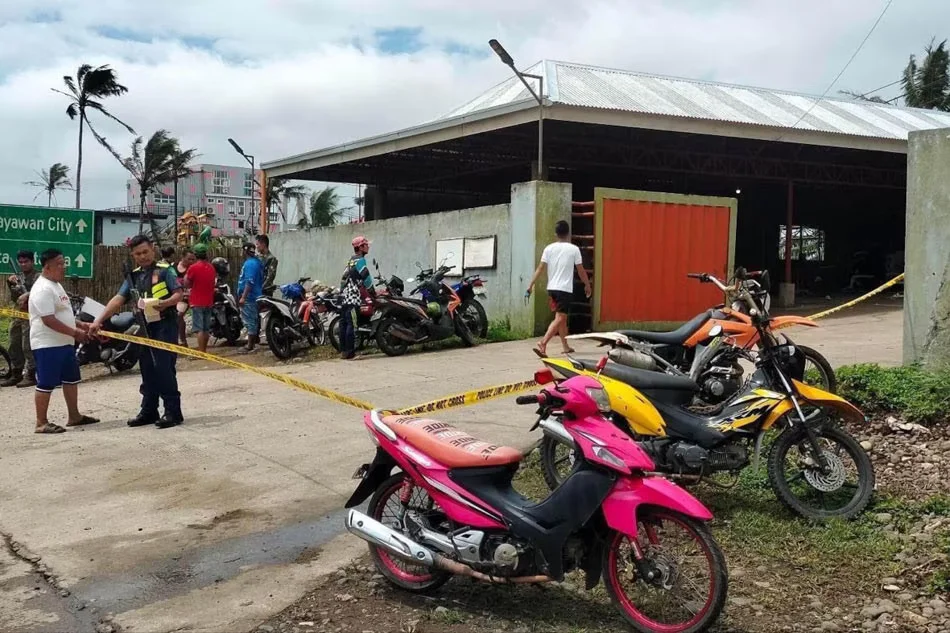
On a Saturday morning in March 2023, Governor Roel Degamo stood in the yard of his Pamplona residence handing out government aid to local families. The Pantawid Pamilyang Pilipino Program brought beneficiaries from across the community, and Degamo moved among them in the routine rhythm of constituency work. At approximately 9:36 a.m., a group of armed men stormed the property and opened fire. Degamo and nine other people died that day in what became one of the most brazen political killings in recent Philippine history.
A Governor Contested
The violence had roots in the contested 2022 gubernatorial election. Degamo, running for a fourth term, initially lost to Pryde Henry Teves, who was proclaimed governor. But Degamo filed an electoral protest before the Commission on Elections, and a recount followed. During the recount, votes cast for a similarly named nuisance candidate -- Ruel Degamo, whose candidacy appeared designed to siphon votes -- were attributed to Roel Degamo. The final tally reversed the result. Teves's proclamation was nullified, and Degamo assumed office. The reversal left deep political wounds in a province already scarred by factional rivalries and a history of political killings. Two power structures now claimed legitimacy in Negros Oriental, and the tensions between them would prove lethal.
The Morning Everything Changed
The attackers struck without warning. Degamo was shot multiple times and rushed to Negros Polymedic Hospital in Sibulan, where he was pronounced dead at 11:41 a.m. Among the other victims were a barangay councilor and a civilian mistaken for one of the governor's bodyguards -- people whose only misfortune was being in the wrong place at the worst possible moment. By mid-March, Degamo was interred in his family mausoleum in Siaton, his hometown. The investigation that followed would unravel a conspiracy stretching from provincial politics to international fugitive pursuits.
The Hunt for a Congressman
Eleven suspects, all former military personnel, were taken into custody. Two of them named a certain "Cong Teves" as the mastermind, testifying that they had been told the governor was a drug lord. Arnie Teves, the representative of Negros Oriental's 3rd district, was abroad at the time and refused to return. The House of Representatives suspended him, then unanimously expelled him in August 2023 -- the first such expulsion since the 1987 Constitution restored Congress. The Anti-Terrorism Council designated Teves and twelve associates as terrorists, another first for an elected official. An Interpol red notice followed in February 2024.
Justice Across Borders
Teves was arrested in Dili, Timor-Leste, in March 2024. Because the Philippines has no extradition treaty with the small Southeast Asian nation, his case became a diplomatic puzzle. An initial extradition approval was overturned by a Timorese appellate court in March 2025. But on May 28, 2025, Teves was rearrested at his Dili residence and deported that same night. The Timor-Leste government declared him a threat to national security and imposed a ten-year entry ban. He arrived in the Philippines the next day and was detained at New Bilibid Prison in Muntinlupa, later transferred to Camp Bagong Diwa. The legal proceedings continue, with 39 complaints filed in connection with the massacre.
What Remains
The Pamplona massacre exposed the lethal stakes of Philippine provincial politics, where electoral disputes can escalate from courtroom protests to mass violence. Ten people died -- a governor, a barangay official, ordinary citizens who came for government assistance on a Saturday morning. Their families received financial assistance from the Department of Social Welfare and Development, but no amount of aid compensates for lives taken in a hail of gunfire. President Bongbong Marcos attended Degamo's wake and ordered a special panel of prosecutors to investigate killings across Negros Oriental. Interior Secretary Benhur Abalos directed the replacement of all police personnel in the province. Senate President Migz Zubiri called the shooting an act of political terrorism. For Pamplona and the wider province, the massacre left a wound that legal proceedings alone cannot close.
From the Air
Pamplona sits on the western coast of Negros Oriental at approximately 9.40N, 123.02E. From the air, the municipality appears as a coastal settlement along the Tanon Strait. The nearest major airport is Dumaguete-Sibulan Airport (RPVD), roughly 20 km to the southeast. At lower altitudes, the settlement pattern of coastal barangays and the hills rising inland are visible.
Nearby Stories
- SS John Burke 15 km away
- Boljoon Church 27 km away
- Moalboal 31 km away
- Republic of Negros 40 km away
- Apo Island 44 km away
- San Joaquin Church (Iloilo) 105 km away
- Baroque Churches of the Philippines 138 km away
- Canatuan Mine 157 km away