.jpg)
RAF Mildenhall
On 20 October 1934, four days after RAF Mildenhall officially opened, 70,000 spectators gathered at the airfield to watch the start of the MacRobertson Air Race — the longest air race ever devised at that time, a point-to-point from England to Melbourne, Australia. King George V and Queen Mary had visited the day before, on short notice, a measure of the event's prestige. The winners, pilots Tom Campbell Black and C.W.A. Scott, crossed the finish line in Melbourne less than 72 hours after taking off. The airfield that hosted this glamorous beginning would go on to a very different kind of history: Bomber Command raids into Nazi Germany, Cold War Strategic Air Command operations, U-2 and SR-71 Blackbird reconnaissance flights, and a current life as the home of the 100th Air Refueling Wing — the largest US Air Force presence in the United Kingdom.
From Bombers to the War
RAF Mildenhall was built in the late 1920s and early 1930s to meet what British military planners called a "continental threat." It opened as one of the RAF's largest bomber stations on 16 October 1934, with Wing Commander Francis Linnell as its first commander. King George V reviewed 350 aircraft at Mildenhall in 1935 on the occasion of his Silver Jubilee. On 3 September 1939, the day Britain declared war on Germany, three Vickers Wellington aircraft from No. 149 Squadron at Mildenhall were among the first to fly — dispatched to bomb the German naval fleet at Wilhelmshaven. Throughout the war, Mildenhall transitioned from Wellingtons to Short Stirlings to Avro Lancasters. By 1945, aircraft from Mildenhall and its satellite airfields had dropped over 23,000 tons of explosives, laid 2,000 mines, and flown more than 8,000 sorties — at the cost of over 200 bombers and more than 2,000 aircrew. Among those killed was Pilot Officer Rawdon Hume Middleton, an Australian who was posthumously awarded the Victoria Cross.
The Film They Made Here
During the last two weeks of March and the first two weeks of April 1941, Mildenhall was temporarily renamed Millerton Aerodrome and used for the filming of *Target for Tonight*, a Crown Film Unit documentary about the planning and execution of a bombing raid on Germany. The film crew used real Wellingtons and real crews from No. 149 Squadron — with names and identifying details altered so as not to provide intelligence to the enemy. The result was one of the most acclaimed British propaganda films of the war, seen by millions. Mildenhall's role in it went uncredited, for the same reason the base was given a fictional name.
Cold War and the American Presence
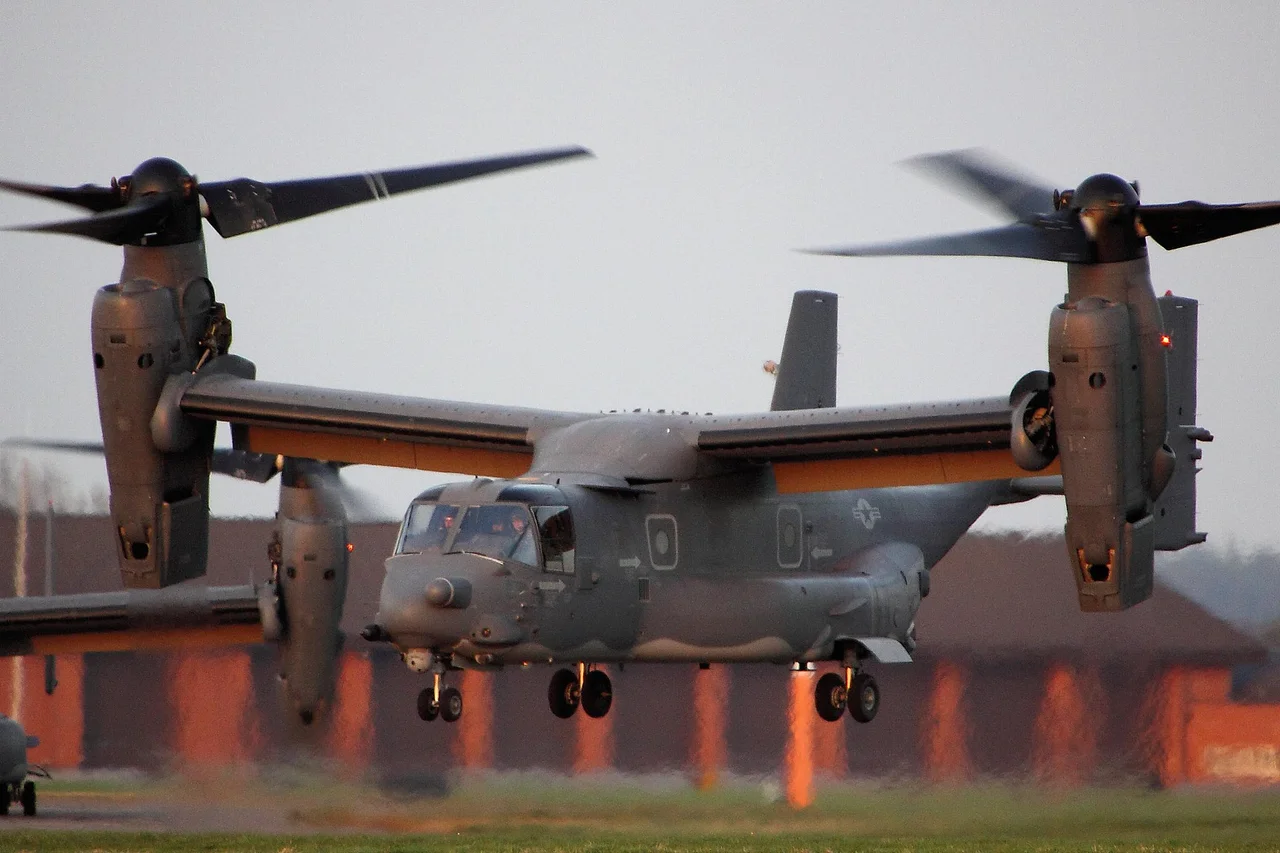
After the war, Mildenhall became a joint RAF-USAF operation in July 1950. Strategic Air Command assigned its first units in 1951, beginning with B-50 Superfortresses. Over the following decades the base's mission shifted from strategic bombing to aerial refueling and reconnaissance. In the late 1970s and through the 1980s, U-2 and SR-71 Blackbird operations ran from Mildenhall — aircraft that flew at altitudes and speeds that made them effectively invisible to adversaries of the era. In June 2021, President Joe Biden and First Lady Jill Biden flew into Mildenhall on Air Force One, en route to the G7 summit in Cornwall, and Biden addressed troops on base shortly after landing. The base today is home to the 100th Air Refueling Wing, flying KC-135R Stratotankers, and the 352nd Special Operations Wing, flying CV-22 Ospreys and MC-130J Commando IIs.
Open Questions
In January 2015, the US Department of Defense announced that operations at Mildenhall would be relocated to Germany as part of a European cost-cutting consolidation. The announcement set off years of uncertainty. By 2017, the closure was on indefinite hold. In July 2020, the decision was reversed: the 100th Air Refueling Wing and 352nd Special Operations Wing would remain at Mildenhall indefinitely. The base — alongside its sister installation RAF Lakenheath — continues to anchor the largest US Air Force presence in the United Kingdom. In late 2024, unidentified drones were spotted over Mildenhall and other US air bases in East Anglia, prompting a security response that included the deployment of RAF Regiment personnel with counter-drone systems.
From the Air
RAF Mildenhall is located at 52.365°N, 0.481°E, near the town of Mildenhall in Suffolk. ICAO code: EGUN. The airfield is identifiable from altitude by its long runway and the distinctive silhouettes of KC-135 tankers and Special Operations aircraft on the ramp. Restricted airspace applies — check current NOTAMs before approaching. Nearest civilian airport: Cambridge (EGSC), approximately 20 miles southwest.
Nearby Stories
- Wymondham Abbey 3.8 km away
- St Ives Bridge 6 km away
- RAF Eye 6.6 km away
- Castle Hedingham 6.9 km away
- Royal Hospital School 9.2 km away
- RAF Downham Market 9.9 km away
- Flag Fen 13 km away
- Letchworth 17 km away